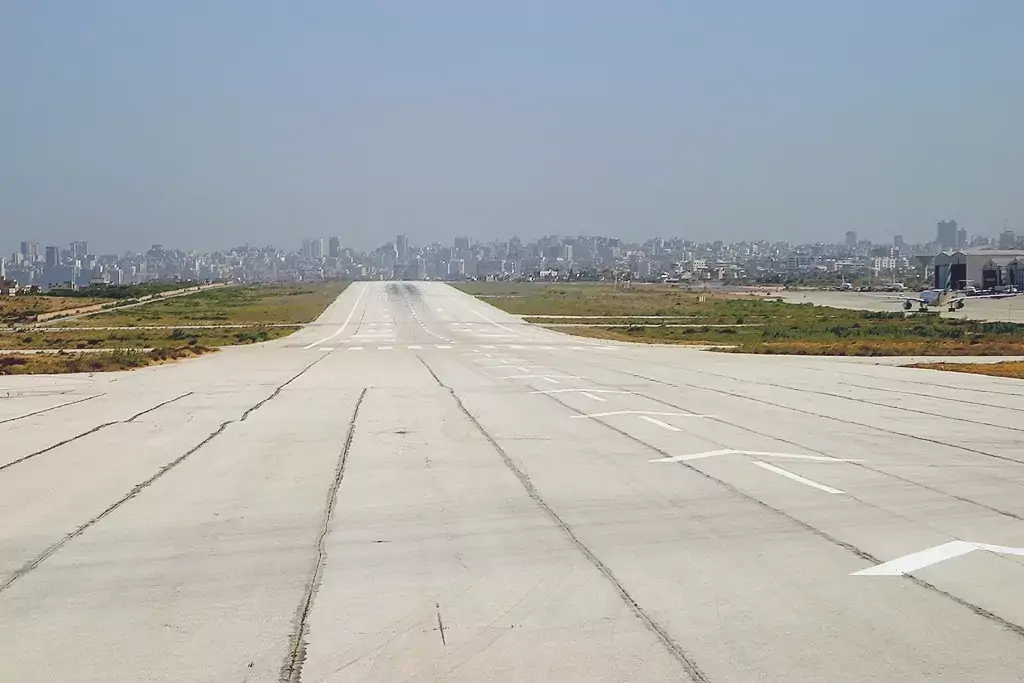
Situated on the first floor after security, this lounge offers a relaxing environment with ample seating, panoramic views of the runway, complimentary snacks, drinks, and Wi-Fi. It is accessible to business class passengers on Middle East Airlines and other partner airlines, and also to certain lounge card holders.
Beirut’s Rafic Hariri International Airport serves as Lebanon’s main gateway to the world. Located near the city center, it connects travelers to global destinations while reflecting Beirut’s role as a cultural and commercial hub. The airport handles both international flights and domestic routes, supporting tourism and business travel. Its design balances modern facilities with practical layouts for efficient passenger flow. As Lebanon’s primary air hub, it plays a key part in the country’s economy and connectivity to the Middle East and beyond.
| Power Grid: |
230 V, 50 Hz Plug: Type A , Type B , Type C
Type A:
Read about power adapters |
|---|---|
| Currency: |
Lebanese Pound (LBP) £1 ≈ LBP 119,864 |
| Cashless info: |
Rating 4/5
Cashless payments are accepted in major cities and tourist areas. Credit cards are widely used in upscale restaurants, hotels, and shops, while mobile payment options are still emerging.
Save with a travel credit card |
| eSIM providers: |
Flexibility: Airalo Read our in-depth comparison |
| Tipping: | Tipping is customary in Lebanon. In restaurants, a tip of 10-15% is expected, although some restaurants include a service charge. Taxi drivers appreciate rounding up the fare. |
|---|---|
| Public drinking: | Public drinking is allowed in Lebanon, particularly in bars, restaurants, and designated areas. However, drinking in public spaces like streets and parks may be frowned upon. |
| Public smoking: | Smoking is very common in Lebanon. A 2011 law bans smoking in indoor public spaces such as restaurants and cafés, but it is widely ignored, and smoking indoors is still common. |
| Independence Day (22 November) |
National celebrations with parades and festivals |
|---|---|
| Eid al-Fitr (variable) |
Celebrations marking the end of Ramadan with feasts and family gatherings |
| Emergency contact: | Emergency Number: 112 (Police), 140 (Ambulance) |
|---|---|
| Taxi apps: | Careem, Uber |
| Other: | Lebanon has a rich history and offers diverse experiences, including ancient ruins, vibrant cities, and scenic landscapes. Be aware of the security situation, particularly near borders. |
Beirut–Rafic Hariri International Airport consists of a modern terminal with four floors and east and west wings serving domestic and international flights. The airport provides a practical but somewhat basic experience, with duty-free shopping areas featuring a range of products including perfumes, electronics and traditional Lebanese items. Free Wi-Fi is available for the first 30 minutes and then paid access thereafter.
Travelers often praise the friendly staff and the spacious lounges, including the well-regarded MEA Cedar Business Class Lounge, which offers comfortable seating, refreshments and panoramic views of the tarmac. However, the airport can become crowded and a bit chaotic during peak times and some visitors have noted long waits at immigration and outdated restroom facilities.
Security procedures are thorough but can add time to arrivals and departures, so it’s wise to allow extra time. Accessibility is good, with accommodations for travelers with reduced mobility. Various transportation options such as taxis, private transfers and minibuses connect the airport to central Beirut and surrounding regions, though public transport is limited and traffic congestion can affect travel times.
While the airport lacks some of the luxury and polish of larger international hubs, it compensates with a friendly atmosphere, efficient services and essential amenities that provide a solid introduction to Lebanon’s dynamic capital and surrounding areas.
Helpful tips for Beirut–Rafic Hariri International Airport / Beirut Air Base
- Arrive early; security lines at Beirut Rafic Hariri Airport often extend beyond scheduled times.
- Check the airport’s official website for updated flight schedules and any temporary gate changes before departure.
- Use the free Wi‑Fi to download local maps, public transport timetables and emergency contact numbers while waiting in transit.
- Be aware that the airport shares runway space with a nearby military air base; this can affect flight operations during certain times of day.
Available airport lounges
Open 24 hours, the Beirut Lounge on the airside area provides comfortable seating, refreshments, magazines, TV, Wi-Fi, and a separate smoking area. Entry is available for a fee to priority passengers and through lounge memberships.
Where to stay near Beirut–Rafic Hariri International Airport / Beirut Air Base
Most travelers prefer accommodations in Beirut’s city center, which offers a wide range of hotels and guesthouses catering to different budgets. Some nearby hotels also offer convenient access for those with early flights or long layovers.
Hotel recommendations
How to get from Beirut Airport to popular destinations
To Beirut City Center:
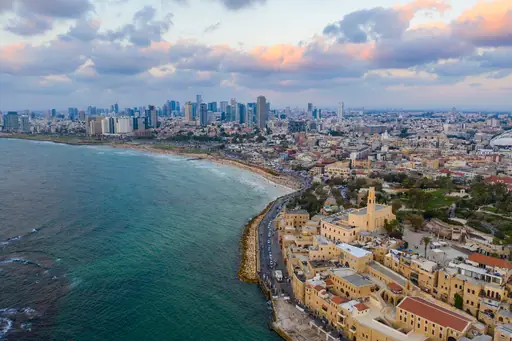
Located about 10 km north of the airport, Beirut city centre is accessible via taxis, shared minibuses, and private transfers. Taxis are available immediately outside arrivals, costing approximately US$15 – 20 (£11.21 – 14.95) and taking 20-30 minutes depending on traffic. Shared minibuses run less frequently and can be less convenient if carrying luggage. Private airport shuttles can be booked for a more comfortable, reliable ride.
To Jounieh:
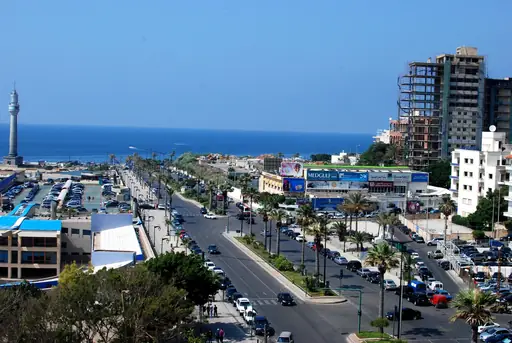
Around 20 km along the coast north of Beirut, Jounieh is reachable by taxi or private car in 30-40 minutes depending on traffic. Public bus options exist but are less tourist-friendly. Taxis or private transfers are recommended for convenience.
To Tripoli:
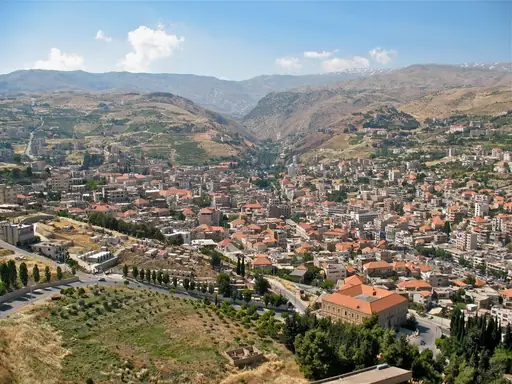
About 80 km north of Beirut, Tripoli can be accessed by taxi or private car, with the journey taking approximately 1.5-2 hours. Bus services are available but less reliable and often crowded, so tourists usually prefer private or shared taxi options.