Located in Domestic Terminal 2, the lounge opens from 06:00 until last flight departure. It features comfortable seating, complimentary drinks (beer and soft drinks), snacks, Wi-Fi, flight information displays, and shower facilities. Access is exclusive to eligible passengers.
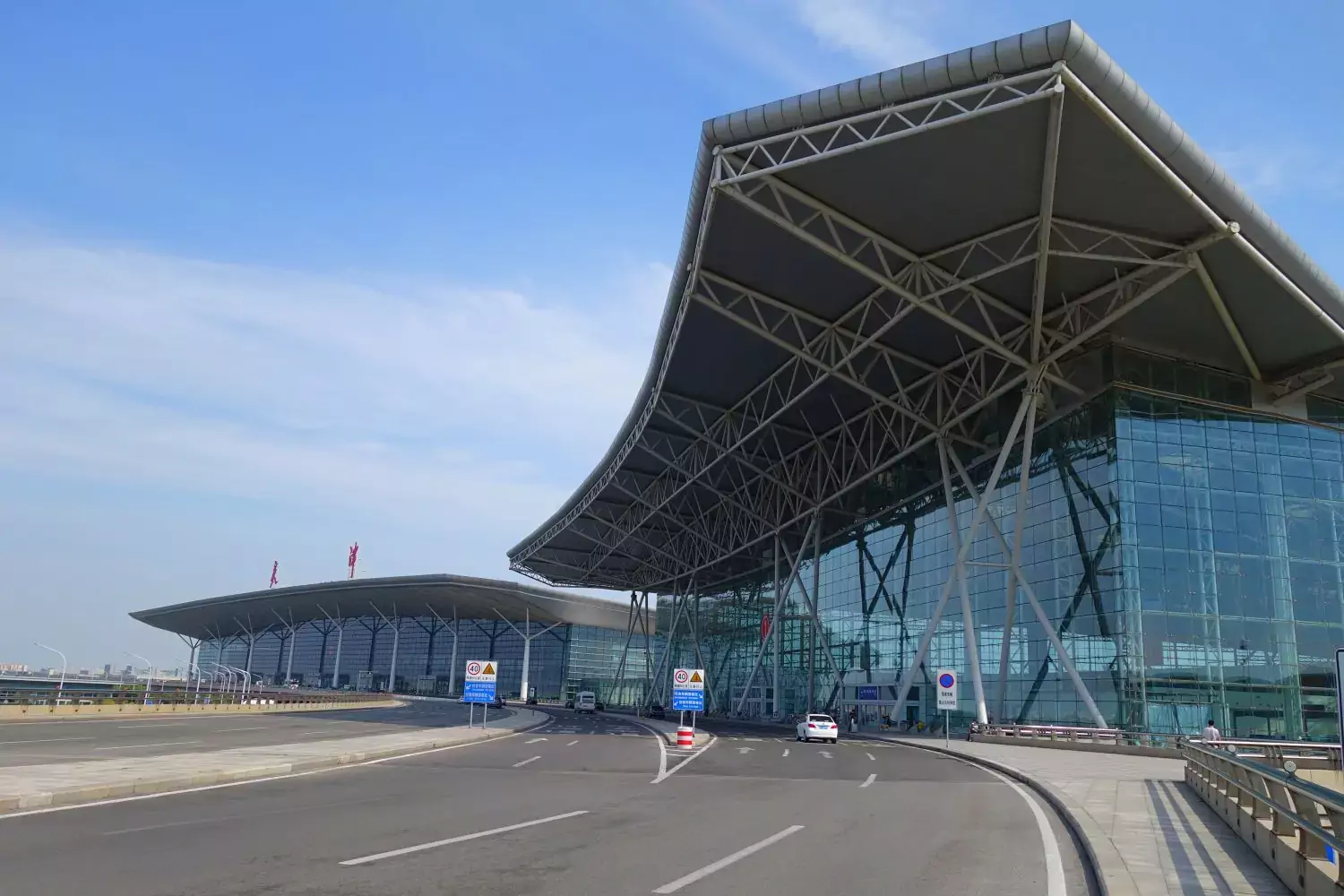
Tianjin Binhai International Airport serves as a major gateway in northern China, located about 15 kilometers southeast of the city center. It handles both domestic and international flights connecting to key cities across Asia and beyond. The airport features modern terminals equipped with shops, restaurants and lounges for travelers. As one of China’s busiest air hubs, it supports logistics, business travel and tourism while maintaining efficient passenger processing. Its strategic location near the Bohai Sea makes it an important link between coastal regions and inland provinces.
| Power Grid: |
220 V, 50 Hz Plug: Type A , Type I
Type A:
Read about power adapters |
|---|---|
| Currency: |
Chinese Yuan Renminbi (CNY) £1 ≈ CN¥8.88 |
| Cashless info: |
Rating 5/5
Cashless payments are widely accepted in China, particularly in urban areas. Mobile payment services like Alipay and WeChat Pay are commonly used.
Save with a travel credit card |
| eSIM providers: |
Best value: Saily Flexibility: Airalo Read our in-depth comparison |
| Tipping: | Tipping is not customary in China and is not expected, although it may be appreciated in high-end restaurants or by hotel staff for exceptional service. |
|---|---|
| Public drinking: | Public drinking is generally not allowed in many places in China, but it is common in restaurants and bars. |
| Public smoking: | Smoking is prohibited in many indoor public spaces, such as restaurants and public transport, but enforcement can vary. |
| Chinese New Year (January/February) |
Major holiday with family gatherings and public celebrations |
|---|---|
| National Day (1 October) |
National holiday with parades and festivities |
| Emergency contact: | Emergency Numbers: 110 (Police), 120 (Ambulance), 119 (Fire) |
|---|---|
| Taxi apps: | DiDi, Uber |
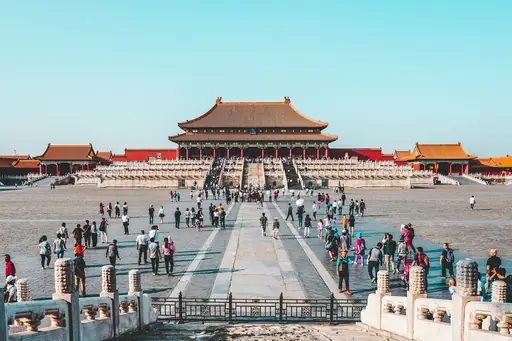
| Other: | China is known for its vast cultural heritage, including historical landmarks like the Great Wall, the Forbidden City, and the Terracotta Army. It offers diverse landscapes ranging from mountains to beaches. |
Tianjin Binhai International Airport features modern facilities across two terminals, with Terminal 2 being newer and more upscale. The airport efficiently handles a large passenger flow annually, offering clean, well-lit spaces, various dining options and ample shopping opportunities including duty-free stores.
Some travelers find the automated announcements confusing and the signage occasionally lacking clarity, which can cause disorientation in the large spaces. While security and immigration are generally smooth, peak times can bring longer waits. The airport boasts multiple lounges that provide quiet spaces with refreshments and Wi-Fi for premium travelers.
Transportation options are well-developed, including metro Line 2 linking the airport to Tianjin city center in about 30 minutes, making it ideal for tourists and business travelers alike. Frequent shuttle buses and plentiful taxis provide alternative ways to reach downtown and nearby cities with varying costs and durations.
Though the airport is often applauded for its architectural style and cleanliness, some visitors note that customer service and staff English proficiency can be inconsistent. It's advisable to plan ahead, especially during busy periods, for a more relaxed experience.
Helpful tips for Tianjin Binhai International Airport
- Check visa requirements before arrival; China requires a valid visa for most travelers.
- Arrive at Tianjin Binhai International Airport at least two hours early for international flights, allowing time for customs and security checks.
- Use the airport's free Wi‑Fi to download local maps and transportation apps, which help navigate public transit to downtown Tianjin efficiently.
- The airport features a modern art installation in its arrivals hall that reflects Tianjin’s maritime heritage; it is best viewed during daylight hours when natural light enhances the colors.
Available airport lounges
Also situated in Domestic Terminal 2, it offers a tranquil environment with food and drink options, Wi-Fi, and comfortable seating designed for premium and elite frequent flyers.
Open in International Departures with amenities including refreshments, Wi-Fi, and quiet zones, ensuring a peaceful experience for international travellers.
Where to stay near Tianjin Binhai International Airport
Tianjin city center offers a wide range of hotels from budget to luxury, mostly concentrated around major transport hubs and shopping districts. Several hotels near the airport provide shuttle services for convenient transfers.
Hotel recommendations
How to get from Tianjin Airport to popular destinations
To Tianjin city centre:
Metro Line 2 connects the airport with Tianjin city centre in about 30 minutes, with trains running every 10 minutes for a cost of approximately CN¥7 (£0.78). Airport shuttle buses are also available, running from early morning till late evening with frequent service and reasonable fares. Taxis offer the fastest and most direct route with fares around CN¥45 – 55 (£5.04 – 6.16), though traffic can extend travel times during peak hours.
To Beijing:
Intercity coaches, taxis, and private transfers connect the airport with Beijing, roughly 120 kilometres away. The airport shuttle services and taxis can access long-distance bus terminals for routes to Beijing. Travel times vary from 2 to 3 hours depending on traffic and transport choice.
To Tangshan:
Several shuttle and bus services operate between the airport and Tangshan city, providing options for travellers with differing budgets and schedules. Private car services offer faster transit taking around 1.5 hours.