We use cookies and external services: MapTiler for interactive maps and Google Maps to show route duration/distance. Both may process personal data such as your IP address, including transfers outside the EU/EEA. See our privacy policy for details. By clicking ‘Accept all’, you consent to this.
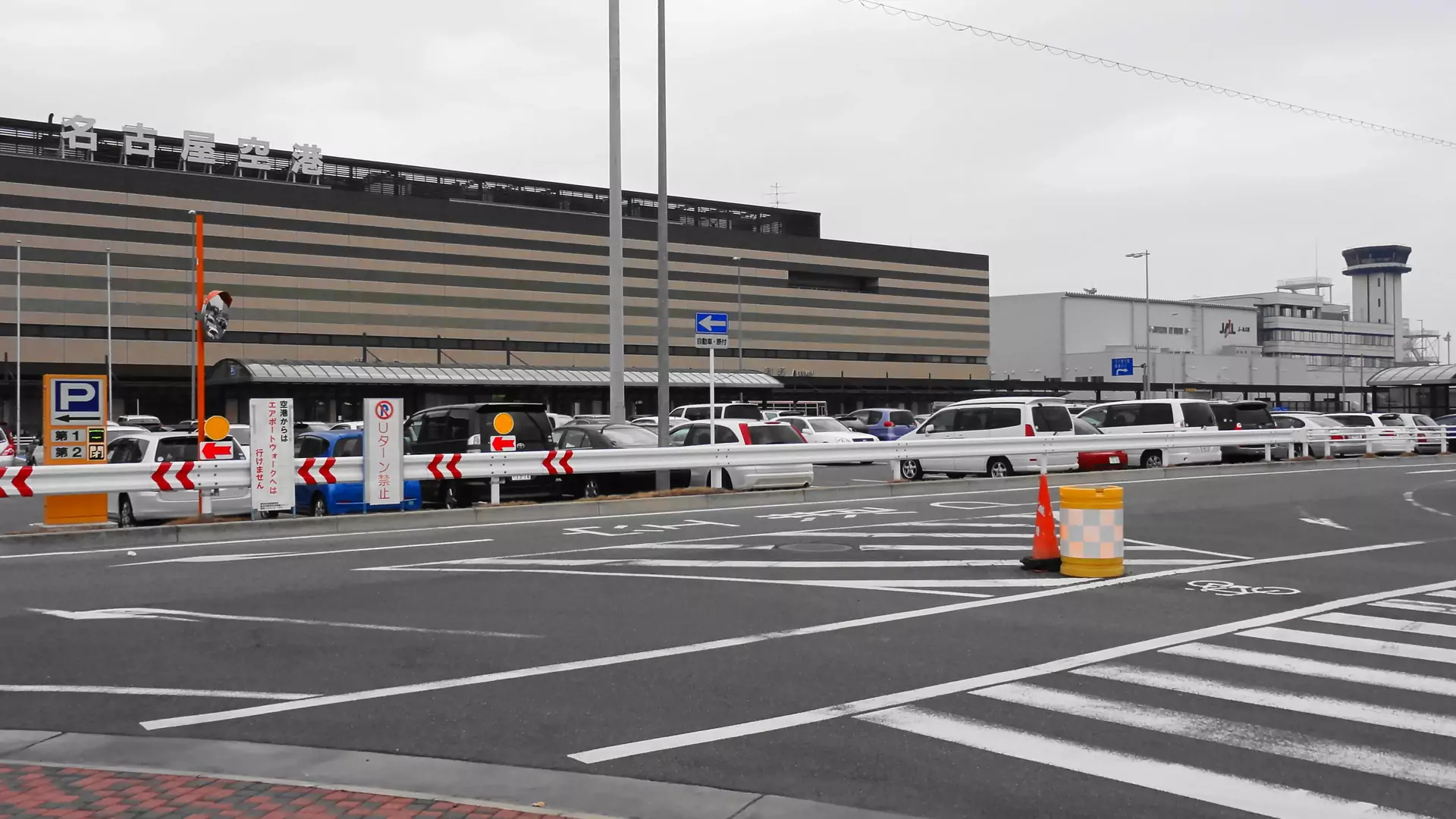
Nagoya Airfield in Japan serves as a key transportation hub connecting travelers to central Japan and beyond. Located near the city of Nagoya, it provides quick access for both domestic flights and international routes. The facility supports business travel and leisure trips with modern amenities and efficient services. Many visitors appreciate its convenient location close to industrial centers and cultural sites in Aichi Prefecture. Whether flying into or out of the region, travelers find practical options at this airport that balances function with comfort without unnecessary distractions.
| Power Grid: |
100 V, 50 Hz Plug: Type A
Type A:
Read about power adapters |
|---|---|
| Currency: |
Japanese Yen (JPY) £1 ≈ JP¥210 |
| Cashless info: |
Rating 4/5
Cashless payments are becoming more common, especially in cities, with some shops still preferring cash. Be prepared for occasional cash-only situations in rural areas.
Save with a travel credit card |
| eSIM providers: |
Best value: Saily Flexibility: Airalo Read our in-depth comparison |
| Tipping: | Tipping is not customary in Japan and can be considered rude. Excellent service is the norm, and tipping is unnecessary in most places. |
|---|---|
| Public drinking: | Public drinking is legal and commonly accepted, particularly during festivals and events. |
| Public smoking: | Smoking is prohibited in indoor public places but allowed in designated outdoor areas. Some restaurants may have smoking sections. |
| New Year (January) |
One of the most important holidays, expect crowded temples and high prices. Plan ahead. |
|---|---|
| Golden Week (April-May) |
The busiest travel time, expect high demand for accommodation and transport. |
| Obon (August) |
A time to honour ancestors, many businesses close, and transport can be crowded. |
| Emergency contact: | Emergency Number: 110 (Police), 119 (Fire & Ambulance) |
|---|---|
| Taxi apps: | Uber, JapanTaxi, DiDi |
| Other: | Japan is a country of respect, so understanding local customs and etiquette is important. Public transport is efficient, but can be crowded during peak hours. |
Nagoya Airfield was once the main airport for Nagoya before the opening of Chūbu Centrair International Airport. Today, it primarily serves regional flights, private jets and general aviation, making it a quieter, more low-key spot than larger hubs.
The airport has a cozy, straightforward terminal, but it lacks extensive shopping or dining options that bigger airports boast. This means it is perfect for travelers who want a simple, efficient experience or aviation enthusiasts interested in the airport’s rich history and operational quirks.
A notable downside is limited international flight options and amenities, which means it’s not the best choice for tourists looking for full-service convenience. Traffic connections to Nagoya city are decent, though not quite as swift or frequent as from Centrair Airport.
For those interested in aviation culture, the annual aviation festival and nearby Tokoname pottery town add local flavor and experiences beyond standard airport activities. Overall, it’s a pleasant but niche airport with a distinct, friendly local character.
Where to stay near Nagoya Airfield
Accommodation around Nagoya Airfield is generally more budget-oriented and functional, with fewer luxury options nearby. Most travelers opt to stay in Nagoya city for a larger selection of hotels and urban experiences.
Hotel recommendations
How to get from Nagoya Airfield to popular destinations
To Nagoya City Center:
To reach Nagoya city from Nagoya Airfield, travellers can use buses or taxis. Bus rides take about 30-40 minutes and cost roughly JP¥500 – 700 (£2.36 – 3.31), though schedules can be less frequent than at larger airports. Taxis are faster but more costly, typically JP¥3,000 – 4,000 (£14.18 – 18.90) depending on traffic.
To Tokoname:
Tokoname is accessible via a short taxi ride or regional buses from the airport. It is known for its pottery culture and is a great spot for a day trip. Public transport requires some planning as direct connections can be limited.
To Seto:
Seto, famous for ceramics, can be reached from Nagoya city by train. From the airport, travel involves first getting to Nagoya by bus or taxi, then switching to a train towards Seto. The total journey takes about an hour.