






We use cookies and external services: MapTiler for interactive maps and Google Maps to show route duration/distance. Both may process personal data such as your IP address, including transfers outside the EU/EEA. See our privacy policy for details. By clicking ‘Accept all’, you consent to this.
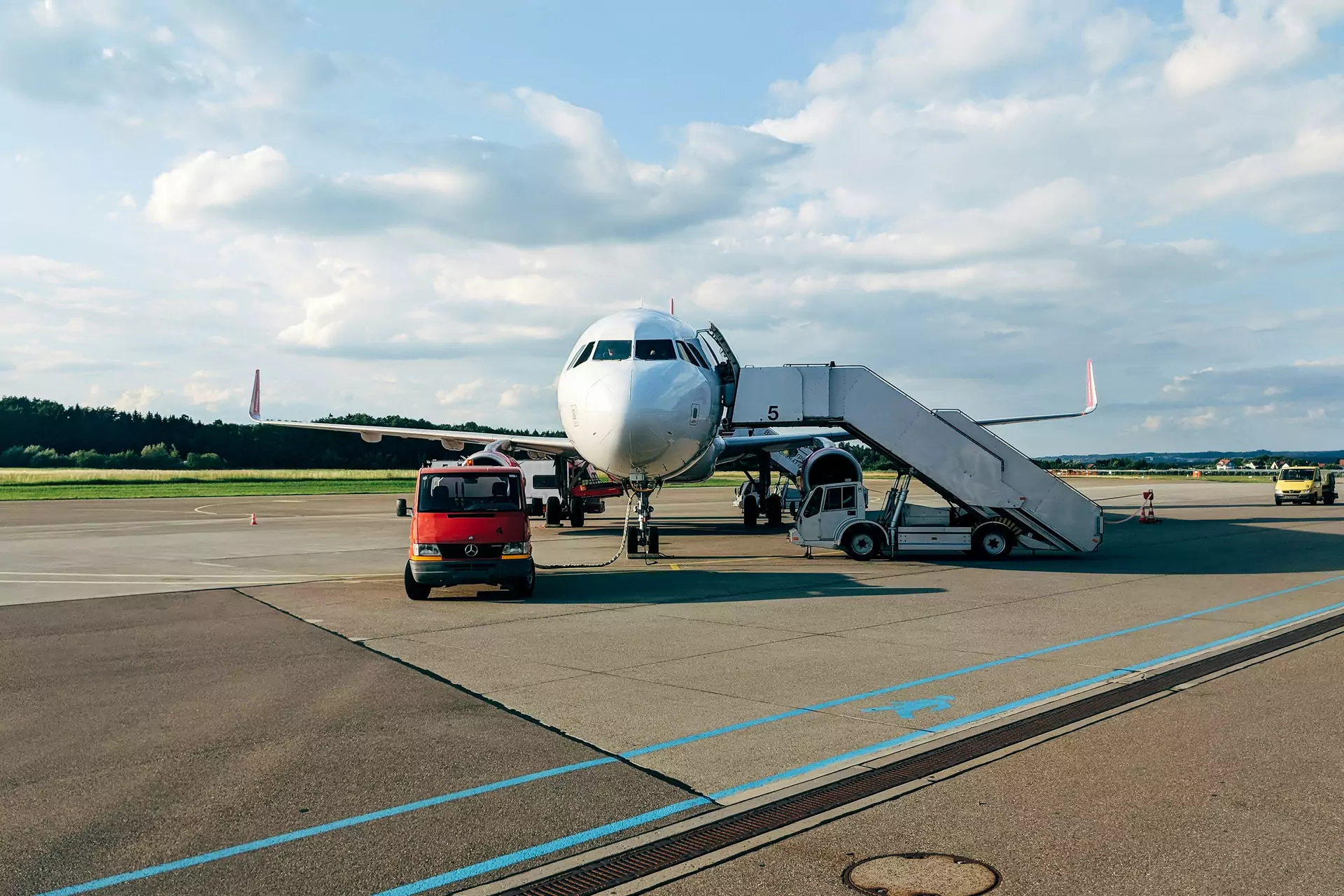
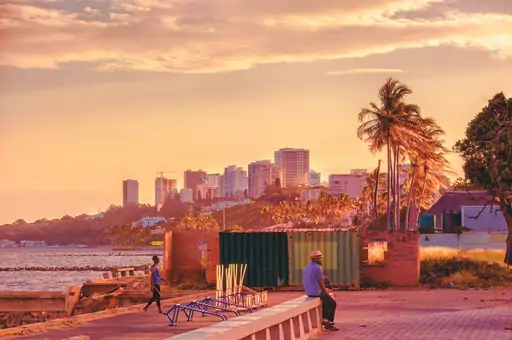
Nacala Airport serves as a key entry point in northern Mozambique, providing access to the port city of Nacala and surrounding regions. The facility handles both passenger flights and cargo, supporting local trade and tourism. Its location near the Indian Ocean makes it strategic for regional travel and logistics. The airport offers basic amenities with regular services connecting travelers to major cities across Africa and beyond. As an important infrastructure asset, Nacala Airport plays a role in economic development by facilitating movement of people and goods through northern Mozambique.
| Power Grid: |
220 V, 50 Hz Plug: Type C , Type F
Type C:
Read about power adapters |
|---|---|
| Currency: |
Mozambican Metical (MZN) £1 ≈ MZN 84.98 |
| Cashless info: |
Rating 3/5
Cashless payments are accepted in some urban areas, but cash is more commonly used, especially in smaller towns and rural areas. Mobile payments are becoming more popular.
Save with a travel credit card |
| eSIM providers: |
Best value: Saily Flexibility: Airalo Read our in-depth comparison |
| Tipping: | Tipping is common in Mozambique, with a typical 10% in restaurants. Taxis may be rounded up, and small tips are appreciated for hotel staff and service providers. |
|---|---|
| Public drinking: | Public drinking is generally not allowed, and it is advised to consume alcohol in licensed venues. |
| Public smoking: | Smoking is allowed in designated areas, though public smoking is restricted in many indoor places. |
| Independence Day (25 June) |
Celebrating Mozambique’s independence from Portugal |
|---|
| Emergency contact: | Emergency Numbers: 119 (Police), 117 (Ambulance), 198 (Fire) |
|---|---|
| Taxi apps: | Bolt |
| Other: | Mozambique offers beautiful beaches, wildlife, and culture, but travellers should prepare for limited infrastructure in rural areas and the possibility of instability in some regions. |