
Last update: 12 Oct 2026
* We earn a commission from some links on this page.
Angola Summary
These place ratings give you a quick overview of how well a destination matches different types of trips.
‘Best for’ scores:
The specific interest scores show where this place really shines – whether it's ideal for hiking, food & drink experiences, museums or other activities. These highlights help you understand what makes the destination special at a glance.
‘Your personal’ scores:
This reflects how well a place matches your personal preferences. You can adjust the importances of travel topics or other personal requirements categories in your account settings.
‘Suited for’ badges:
These give you a quick overview of how well a destination suits specific types of travellers, to help you find the places that match your lifestyle, preferences or travel situation.
Suited for
Angola – Quick facts
| Power Grid: |
220 V, 50 Hz Plug: Type C , Type F
Type C:
  Read about power adapters |
|---|---|
| Currency: |
Angolan Kwanza (AOA) £1 ≈ AOA 1,220.53 |
| Cashless info: |
Rating 3/5
Cashless payments are available in cities, but cash is still commonly used in rural areas.
Save with a travel credit card |
| eSIM providers: | We cannot recommend an eSIM provider for this country. We advise getting a local SIM card. |
| Tipping: | Tipping is not mandatory but appreciated. A 5-10% tip in restaurants is common. |
|---|---|
| Public drinking: | Public drinking is allowed but not common. Some restrictions may apply in urban areas. |
| Public smoking: | Smoking is common in outdoor spaces, but prohibited indoors in public places. |
| Independence Day (November) |
Parades, celebrations. |
|---|---|
| Christmas (December) |
Festivals and closures. |
| Emergency contact: | Emergency Numbers: 113 (Police), 112 (Ambulance), 115 (Fire) |
|---|---|
| Taxi apps: | Bolt |
| Other: | Angola is known for its rich cultural heritage, wildlife reserves, and beautiful Atlantic coastline. |
Best times to travel
The best times to travel section shows how the months compare for a visit, so you can find the time of year that fits what you want to do.
Background colours of the months:
The colour shows the typical temperature: yellow (hot), green (mild) and blue (cold). How strong the colour is shows the travel season: full colour means high season, soft colour means shoulder season and soft-striped means off season.
Weather symbols:
Each month has one symbol showing what the weather is typically like, such as hot and sunny, freezing or a rainy or snowy season. Use them to quickly spot months that match the weather you want, or to avoid the ones that don't.
Crowdedness:
The people icon shows how busy the place usually is. The more people, the more crowded it gets.
Additional notes:
The grey info boxes point out special things worth knowing, like recurring weather issues or seasonal events.
for Angola, Angola
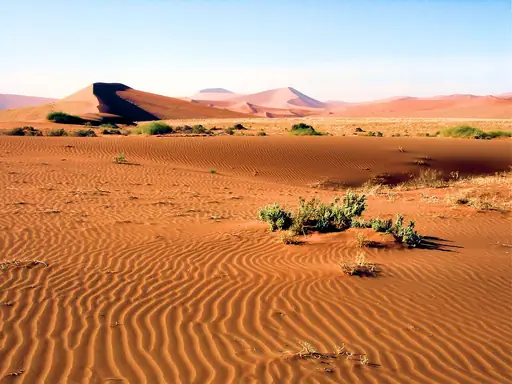
Climate and season vary by region: the north and interior are wet October to April, the south and the Namib coast are arid and best May to September
Dry season May to September is best for wildlife, waterfalls (Kalandula) and most trips; many roads become difficult in the wet season
Luanda Carnival, February: parades and street parties around Carnival Tuesday
Don't miss
- 🌅 Watch the sunset over Luanda’s seaside Marginal promenade
- 🪨 Explore the mysterious rock formations of Pedras Negras in Malanje
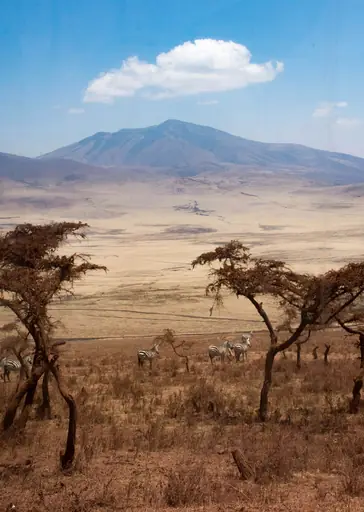
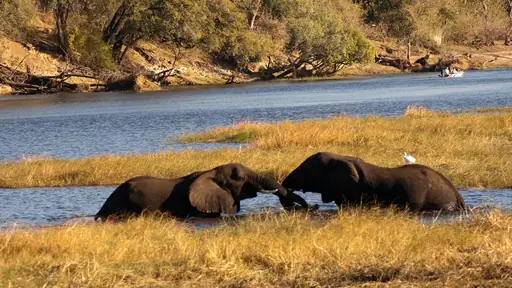
- 🦒 Join a wildlife safari in Kissama National Park
- 🏖️ Swim in the turquoise waters of Baía Azul near Benguela
- 🏛️ Visit the colonial ruins of M’Banza Kongo, a UNESCO site
- 🐟 Taste fresh grilled fish at a local beachside barraca
You've been here?
Log in to manage your own bucket list! Why travel to Angola?
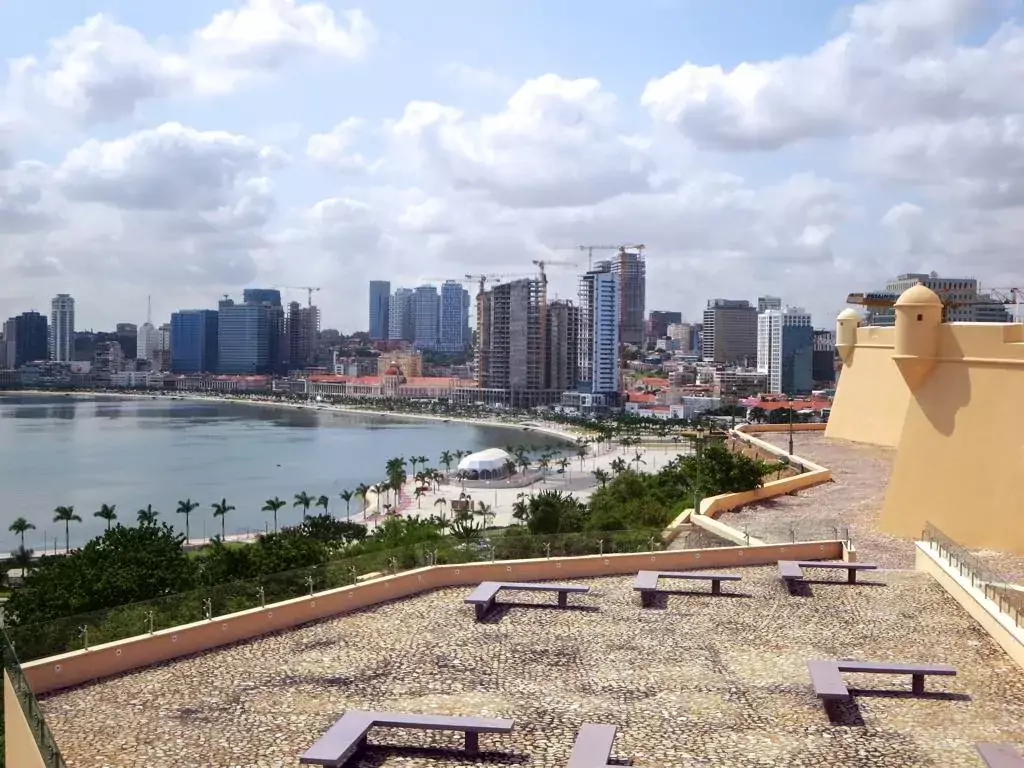
What makes Angola truly special is its extraordinary diversity of landscapes and experiences within a single country. You can explore the serpentine Serra da Leba mountain pass with breathtaking views, witness the power of the Kalandula Falls cascading 105 meters into the Lucala River or discover the mysterious Black Stones of Pungo-Andongo – massive rock formations scattered across the savannah. The country's national parks, including Kisama and Iona, are gradually rebuilding their wildlife populations after years of conflict, offering safari opportunities without the crowds found in more popular African destinations. Beyond natural attractions, Angola's rich colonial history is evident in cities like Luanda and Benguela, where Portuguese architecture stands alongside modern developments. However, travelers should be aware that Angola's tourism infrastructure is still developing following decades of civil war that ended in 2002. While major cities offer reasonable facilities, travel in rural areas can be challenging with poor road conditions, limited accommodation options and occasional security concerns in certain regions.
🏯Places worth seeing
🎡Places for activities
🏞️Natural landmarks
🛍️Shopping
🎈Events
-
Luanda Carnival
-
Angola Independence Day
-
Lubango Carnival
-
Muxima Pilgrimage
-
Benguela Festival
-
Sumbe Festival
-
Huambo Cultural Festival
-
Namibe Desert Festival
-
Malanje Agricultural Fair
-
Angola International Fair
Knowledge before you go
- Visa required; apply early through embassy or online process.
- Travel with specialist operator due to poor roads, limited accommodations and remote tribal areas.
- Beware landmines in some regions; stick to guided tours in southwest provinces like Huila and Namibe.
- Learn basic Portuguese phrases; locals appreciate respectful interactions with traditional communities wearing distinctive tribal adornments.
How to travel to Angola
Most international visitors arrive in Angola through Quatro de Fevereiro International Airport in Luanda, which has connections to major cities in Africa, Europe and Brazil. TAAG Angola Airlines is the national carrier, while other airlines like Emirates, Air France and TAP Air Portugal also serve the country. Visa requirements are strict and tourists need to apply in advance through Angolan embassies or consulates. Land borders with neighboring countries (Namibia, Zambia, Democratic Republic of Congo) exist but crossing can be complicated due to bureaucracy and sometimes security concerns. Some cruise ships dock at Luanda port, offering another entry option for visitors.
Access summary
- Luanda: Fly to Luanda (LAD/NBJ) from Europe, Brazil, regional hubs.
- Namibe coast: Domestic flight from Luanda to Namibe; long-distance buses available.
- Lubango/Serra da Leba: Fly Luanda–Lubango; overland routes from Namibia via buses.
Check your route from anywhere
Where to stay in Angola
Accommodation in Angola ranges from international-standard hotels in Luanda and other major cities to basic guesthouses in smaller towns. Luanda is known for having some of Africa's most expensive hotel rates, particularly for business-class accommodations. Outside the capital, options become more limited and basic. In remote areas and near natural attractions, facilities are sparse and advance booking is essential. Some national parks offer camping or basic lodges, but these often require prior arrangements through tour operators.
Hotel recommendations
*by rating and popularity. Commissions have no influence on the rankings.



How to get around Angola
Getting around Angola requires patience and planning. In major cities like Luanda, taxis are the most common form of transportation, though prices should be negotiated beforehand. For intercity travel, buses connect major towns, but services can be irregular and uncomfortable. Domestic flights operated by TAAG Angola Airlines link major cities and are the most efficient way to cover long distances given the country's size and sometimes challenging road conditions. Renting a car is possible in larger cities, but driving in Angola can be challenging due to poor road conditions outside urban areas, especially during the rainy season. Many travelers opt for guided tours with experienced drivers who know the terrain and can navigate the sometimes complex bureaucracy at checkpoints.
Budget snapshot
Costs compared to home
We calculate the average costs when travelling to destinations and compare those with the living costs at your home. With this you can get an estimate of how expensive or cheap the destination is for you.
To customise this, you can set up which location and price level are used for the calculations in your account settings.
Daily expenses in Angola are around 66% lower than the average across United States. That means you'll spend a lot less on meals and getting around.
Exchange rate trend
The exchange rate price factor shows how expensive or cheap a currency currently is compared to its historical average. It's a quick way to see if a country is currently more or less affordable due to exchange rate changes.
Your exchange rate (GBP to AOA) is 31% better than in recent years. That means travelling now is considerably cheaper compared to the past.
Travel costs
To help you plan your trip, we provide estimated daily costs per person (when travelling as a pair) for different travel styles. These numbers give you an idea of what you might spend each day at this destination, including accommodation, food, transport and activities.
Additionally, we also provide average hotel costs for different travel styles to give you an estimate for the accommodation only.
Please note that these are only estimates. The real costs depend on booking times, season and other factors.
Daily cost summary
Travel style categories explained:
Backpacker:
Staying in hostels or budget hotels, cooking your own meals or eating cheap and choosing low-cost activities.
Mid-range:
Staying in mid-range hotels, eating at a mix of restaurants and casual spots and enjoying a variety of activities.
Luxury:
Staying in luxury hotels, dining out at high-end restaurants and enjoying premium experiences without worrying about the price.
| Backpacker | Mid-range | Luxury | |
|---|---|---|---|
| 💵 Total costs per day, including accommodation | |||
| 🏨 Accommodation per night, per person | |||
| 🍝 Food per day | |||
| 🚕 Transportation per day |
Food & Drink
| 🍽️ Restaurant Dinner, per person | |
|---|---|
| 🍛 Lunch Set, per person | |
| 🍟 Fast food combo | |
| 🍝 Preparing your own food, per day | |
| ☕ Cappuccino | |
| 🍺 Beer in a restaurant, 0.5 l |
Transportation
| 🚌 Public transport ticket | |
|---|---|
| 🚕 Taxi Ride, 10 km / 6 mi | |
| ⛽ Petrol, 1 l |
Other
| 🎞️ Cinema ticket | |
|---|---|
| 👩⚕️ Doctor's consult | |
| 🤧 Cold medication | |
| 💇 Basic haircut |
Safety information overview
General safety
Angola has made significant security improvements since the end of civil war, but caution is still advised. Avoid isolated areas, especially at night and be aware of petty crime in urban centers. Some rural regions have landmine risks, so stick to marked paths and travel with local guides.
Health & Medical
Medical facilities in Angola are limited outside Luanda, with basic care available in provincial capitals. Bring necessary medications as supplies can be unreliable. Yellow fever vaccination is required and malaria prevention is essential throughout the country.
Accessibility
Accessibility infrastructure is minimal throughout Angola. Major hotels in Luanda may offer basic accommodations for mobility-impaired travelers, but historical sites, natural attractions and public transportation present significant challenges. Advance planning and possibly hiring assistance is recommended.
Tap water
Tap water is generally not safe to drink in Angola. Stick to bottled or purified water, which is widely available in cities but may be harder to find in remote areas. When traveling to natural attractions, carry sufficient water supplies.
Packing recommendations for Angola
Log in to add this place to a travel list and get a summary of all recommended items for your whole trip.
📷
Camera
👟
Comfortable walking shoes
🌞
Sun cream
👕
Light, breathable clothing
🧥
Waterproof jacket
especially November–April
🪰
Insect repellent
🔋
Power bank
🩹
Basic first aid kit
👒
Sun hat
📃
Travel insurance
🚰
Water bottle with filter
🪪
Copies of passport and important documents
📱
Translation app or phrasebook
👖
Long trousers
for protection
💤
Sleeping bag
few cash machines outside cities
👚
Long-sleeved shirt
for protection
📱
Travel eSIM
🔌
Universal travel adaptor
🩺
Prescription medicines
💳
Credit card with no foreign transaction fees
🛂
Passport
Related articles & guides for Angola



Nearby recommended places

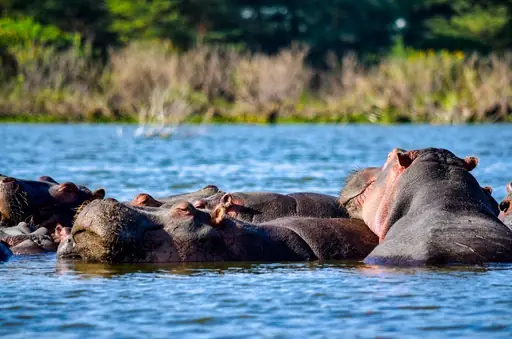
Looking for inspiration?
Discover
Best value travel destinations
The best value destinations aren't necessarily the cheapest: they're the ones where money goes furthest relative to what's actually on offer, whether that's food, accommodation or…
Read more
Discover
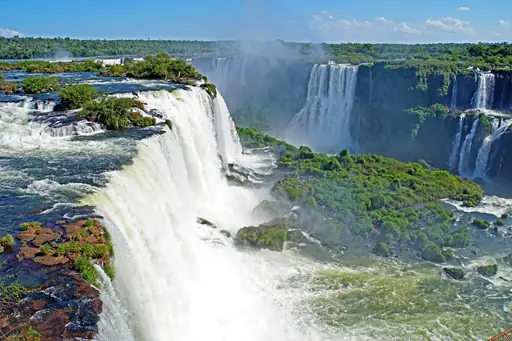
Top waterfall destinations and famous falls
Waterfall destinations range from the towering single-drop falls of high plateau edges to the vast multi-channel cascade systems where rivers break across wide fronts before…
Read more
Discover
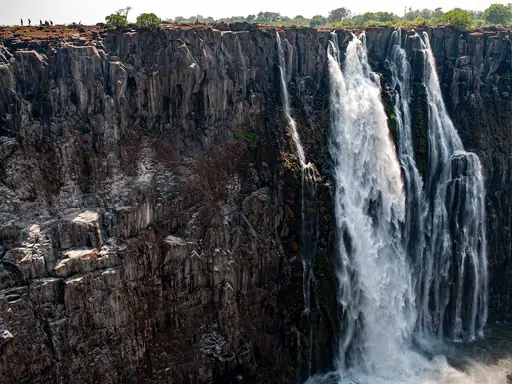
Best waterfall destinations in Africa
Africa's waterfalls are distributed across the continent's great river systems and escarpment zones, with the highest concentrations found in central and southern Africa where…
Read more

Discover
Most beautiful beaches and coastal escapes
For a lot of people, a beach is the whole point of a holiday, but what makes a beach day perfect really depends on personal taste. Some travellers want isolation and the feeling…
Read more

Discover
Stunning national parks and wilderness areas
National parks exist because someone decided that certain landscapes were too important to lose. The best of them protect ecosystems, wildlife and natural processes that would…
Read more

Discover
Intimate escapes and romantic getaways
The most memorable trips for couples tend to have less to do with luxury and more to do with the quality of shared experience. A place that slows you down, removes the usual…
Read more
What other users say about travelfilters
“travelfilters made it easy for me to find ski areas and compare what else they offer, so that I could find the best place for my personal travel style.”

Chris
Snowboarding & Onsen trip to Japan
“I love how transparent the data feels. There is no pushy upsell, just honest information and settings I can tune to my own travel style.”

Maria
After booking her 2027 winter escape
“The level of detail for each destination and how well those are displayed, make planning feel confident instead of overwhelming.”

Mina
Planned a week in New York City
“We used travelfilters for our planning from start to end. The trip turned out even better than expected, thanks to all their tools and customisation options.”

Allan & Etienne
Trip to Japan to see autumn foliage
“Thanks to travelfilters, I found some hidden gems to see. Being able to filter for exactly your interests is a game changer for my travel planning.”

Michael
Tour through the old cities of Northern Italy
“The customizable filters helped me find a quiet beach town with good wifi and low season crowds in under five minutes.”

Diego
Weekend Escape to Llanes, Spain
“The airport connection map saved me hours by showing good flight options from my home airport to lesser-known cities.”

Nguyen
Planning a 2027 trip to France
“The website is clean, fast and focused on the search itself, which makes travelfilters feel more like a professional tool than an ad-heavy booking site.”

Hassan
Christmas Market trip, Germany
