
















Was this page helpful?

These place ratings give you a quick overview of how well a destination matches different types of trips.
‘Best for’ scores:
The specific interest scores show where this place really shines – whether it's ideal for hiking, food & drink experiences, museums or other activities. These highlights help you understand what makes the destination special at a glance.
‘Your personal’ scores:
This reflects how well a place matches your personal preferences. You can adjust the importances of travel topics or other personal requirements categories in your account settings.
‘Suited for’ badges:
These give you a quick overview of how well a destination suits specific types of travellers, to help you find the places that match your lifestyle, preferences or travel situation.
| Power Grid: |
110 V, 60 Hz Plug: Type A , Type B
Type A:
  Read about power adapters |
|---|---|
| Currency: |
Colombian Peso (COP) £1 ≈ COP 4,204.52 |
| Cashless info: |
Rating 3/5
Cashless payments are becoming more common, especially in cities. Credit and debit cards are widely accepted, but cash is still preferred in many rural areas.
Save with a travel credit card |
| eSIM providers: |
Best value: Saily Flexibility: Airalo Read our in-depth comparison |
| Tipping: | Tipping is not obligatory, but a tip of 5-10% is appreciated in restaurants. Taxis generally do not expect a tip, but rounding up the fare is common. |
|---|---|
| Public drinking: | Public drinking is not allowed in some areas, especially in cities. It is best to consume alcohol in licensed venues like bars or restaurants. |
| Public smoking: | Smoking is prohibited in indoor public spaces, including restaurants, bars, and public transport. |
| Independence Day (20 July) |
National holiday celebrating Colombia's independence with parades and festivities |
|---|---|
| Christmas (25 December) |
Celebrated with family gatherings and festive meals |
| Emergency contact: | Emergency Number: 123 |
|---|---|
| Taxi apps: | Uber, Cabify |
| Other: | Colombia is known for its coffee, vibrant culture, and beautiful landscapes, including the Andes mountains and Caribbean beaches. |
The best times to travel section shows how the months compare for a visit, so you can find the time of year that fits what you want to do.
Background colours of the months:
The colour shows the typical temperature: yellow (hot), green (mild) and blue (cold). How strong the colour is shows the travel season: full colour means high season, soft colour means shoulder season and soft-striped means off season.
Weather symbols:
Each month has one symbol showing what the weather is typically like, such as hot and sunny, freezing or a rainy or snowy season. Use them to quickly spot months that match the weather you want, or to avoid the ones that don't.
Crowdedness:
The people icon shows how busy the place usually is. The more people, the more crowded it gets.
Additional notes:
The grey info boxes point out special things worth knowing, like recurring weather issues or seasonal events.
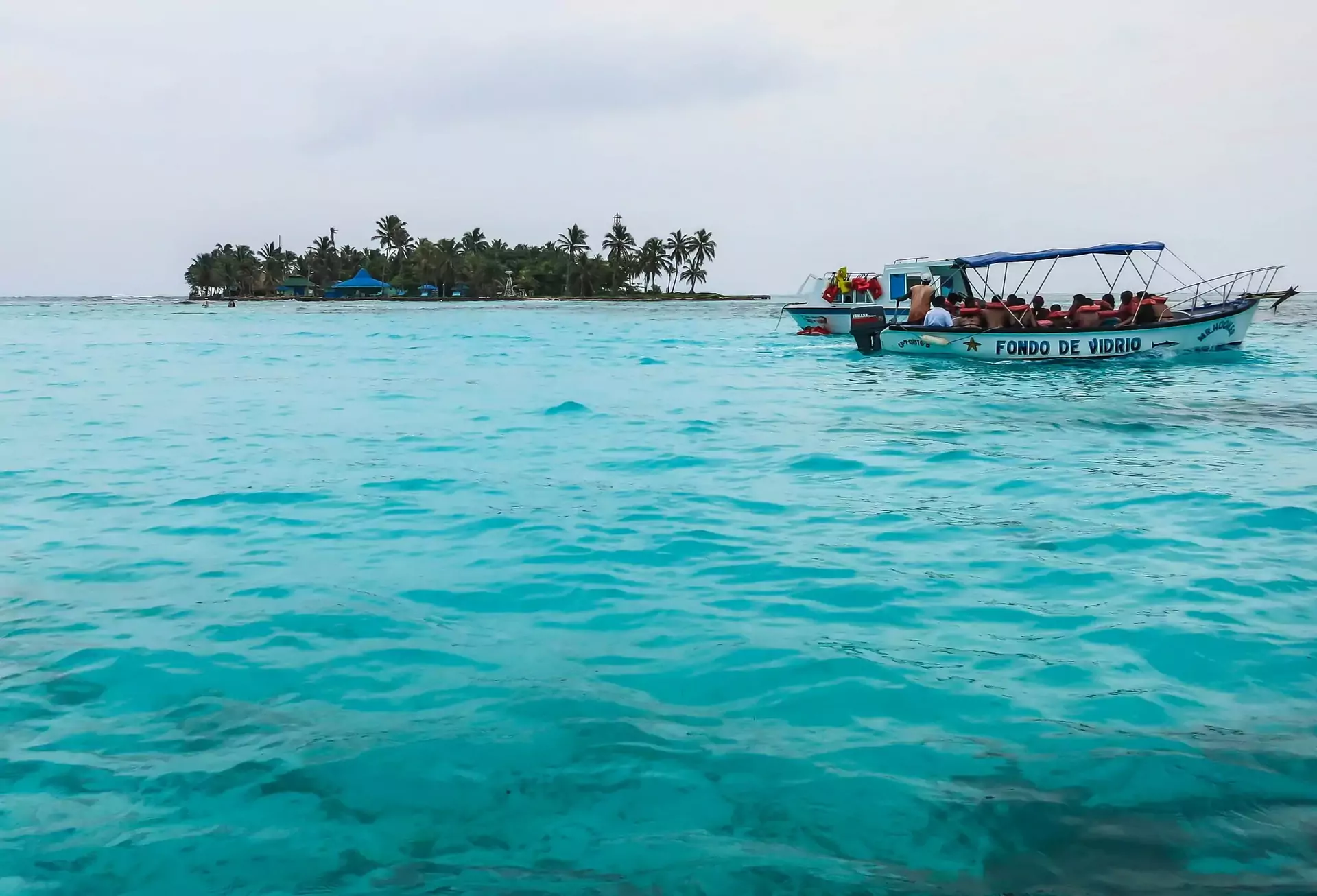
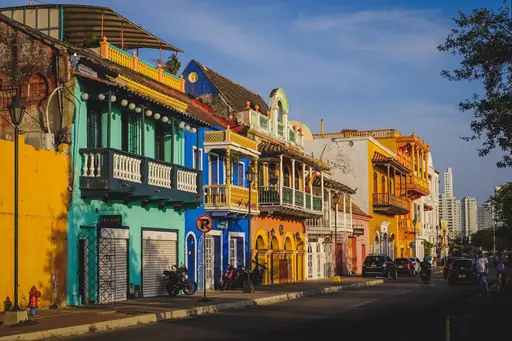
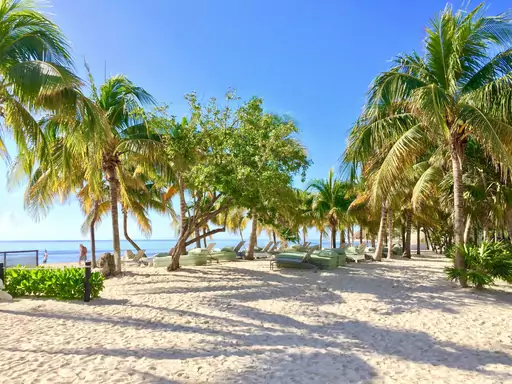
San Andrés is a small Caribbean island off the coast of Colombia that offers a relaxed yet culturally rich experience for travelers. The island’s clear turquoise waters and extensive coral reefs make it an excellent destination for snorkeling, diving and other water sports without the crowds found on larger tourist spots. Visitors can explore the marine life around the famous “Cueva de la Mar” or take a guided tour of the underwater park that protects the reef ecosystem. The local culture is a blend of Afro‑Colombian traditions and Caribbean influences, reflected in music, dance and cuisine. Walking through the historic town center, you’ll find colorful colonial architecture, bustling markets selling fresh tropical fruit and eateries serving dishes such as “arroz con coco” and freshly caught fish. The island’s small size allows for easy exploration on foot or by bicycle, giving travelers a sense of community and authenticity. San Andrés also offers practical conveniences: a range of accommodation options from boutique hotels to budget hostels, reliable transportation links via the local airport and English‑speaking staff in many establishments. For those looking to combine natural beauty with cultural immersion in a manageable setting, San Andrés provides an accessible and enjoyable Caribbean getaway.
San Andrés Island, part of Colombia’s Archipelago de San Andrés, Providencia and Santa Catalina, is accessible via direct flights from major Colombian cities such as Bogotá and Medellín to the Rafael Núñez International Airport on the nearby mainland. From the airport, travelers can take a 20‑minute domestic flight or a boat ride to the island. The island’s location in the Caribbean Sea makes it reachable by sea through ferry services departing from Colombia’s northern coast, particularly from the port of Cartagena. Visitors should note that travel times may vary depending on weather conditions and transportation method chosen.
San Andrés offers a spectrum of lodging that caters to every budget and taste. Budget travelers can find hostels and guesthouses in the capital town of San Andrés, with nightly rates ranging from COP 20 (£0) to COP 40 (£0.01), featuring shared dorms or private rooms, basic amenities and easy access to local eateries. Mid‑range options include boutique hotels and small resorts along the beach, priced between COP 70 (£0.02) and COP 120 (£0.03) per night; these often boast sea views, complimentary breakfast and on‑site dining. Luxury seekers will discover upscale beachfront villas and all‑inclusive resorts that command COP 200 (£0.05) to COP 350 (£0.08) per night, offering private pools, spa services and personalized concierge care. The island is renowned for its colorful colonial architecture and vibrant nightlife, which many accommodations incorporate into their décor and entertainment offerings.
We calculate the average costs when travelling to destinations and compare those with the living costs at your home. With this you can get an estimate of how expensive or cheap the destination is for you.
To customise this, you can set up which location and price level are used for the calculations in your account settings.
The exchange rate price factor shows how expensive or cheap a currency currently is compared to its historical average. It's a quick way to see if a country is currently more or less affordable due to exchange rate changes.
Log in to add this place to a travel list and get a summary of all recommended items for your whole trip.
