







Was this page helpful?

| Power Grid: |
120 V, 60 Hz Plug: Type A , Type B
Type A:
  Read about power adapters |
|---|---|
| Currency: |
Canadian Dollar (CAD) £1 ≈ CA$1.87 |
| Cashless info: |
Rating 5/5
Cashless payments are widely accepted, especially in urban areas. Most businesses accept credit and debit cards, and mobile payment options like Apple Pay are popular.
Save with a travel credit card |
| eSIM providers: |
Best value: Saily Flexibility: Airalo Read our in-depth comparison |
| Tipping: | Tipping is customary in Canada, with a typical tip of 10-20% in restaurants. Tipping is also expected in taxis and for hotel staff, usually 1-2 CAD for bellhops and housekeepers. |
|---|---|
| Public drinking: | Public drinking laws vary by province, but it's often allowed in designated areas such as festivals or certain parks. |
| Public smoking: | Smoking is prohibited indoors in public spaces and in most outdoor spaces in urban areas. Some provinces have stricter laws than others. |
| Canada Day (July) |
The country celebrates with fireworks and festivals. Expect crowded tourist spots and high demand for accommodations. |
|---|---|
| Thanksgiving (October) |
A major family holiday with many businesses closed, especially in rural areas. |
| Christmas (December) |
Festive markets and winter activities are popular, but expect higher accommodation prices and busy cities. |
| Emergency contact: | Emergency Number: 911 (Police, Fire, Ambulance) |
|---|---|
| Taxi apps: | Uber, Lyft, Bolt |
| Other: | Canada is vast, so be prepared for long distances between cities and varying weather conditions depending on the region. |
The best times to travel section shows how the months compare for a visit, so you can find the time of year that fits what you want to do.
Background colours of the months:
The colour shows the typical temperature: yellow (hot), green (mild) and blue (cold). How strong the colour is shows the travel season: full colour means high season, soft colour means shoulder season and soft-striped means off season.
Weather symbols:
Each month has one symbol showing what the weather is typically like, such as hot and sunny, freezing or a rainy or snowy season. Use them to quickly spot months that match the weather you want, or to avoid the ones that don't.
Crowdedness:
The people icon shows how busy the place usually is. The more people, the more crowded it gets.
Additional notes:
The grey info boxes point out special things worth knowing, like recurring weather issues or seasonal events.
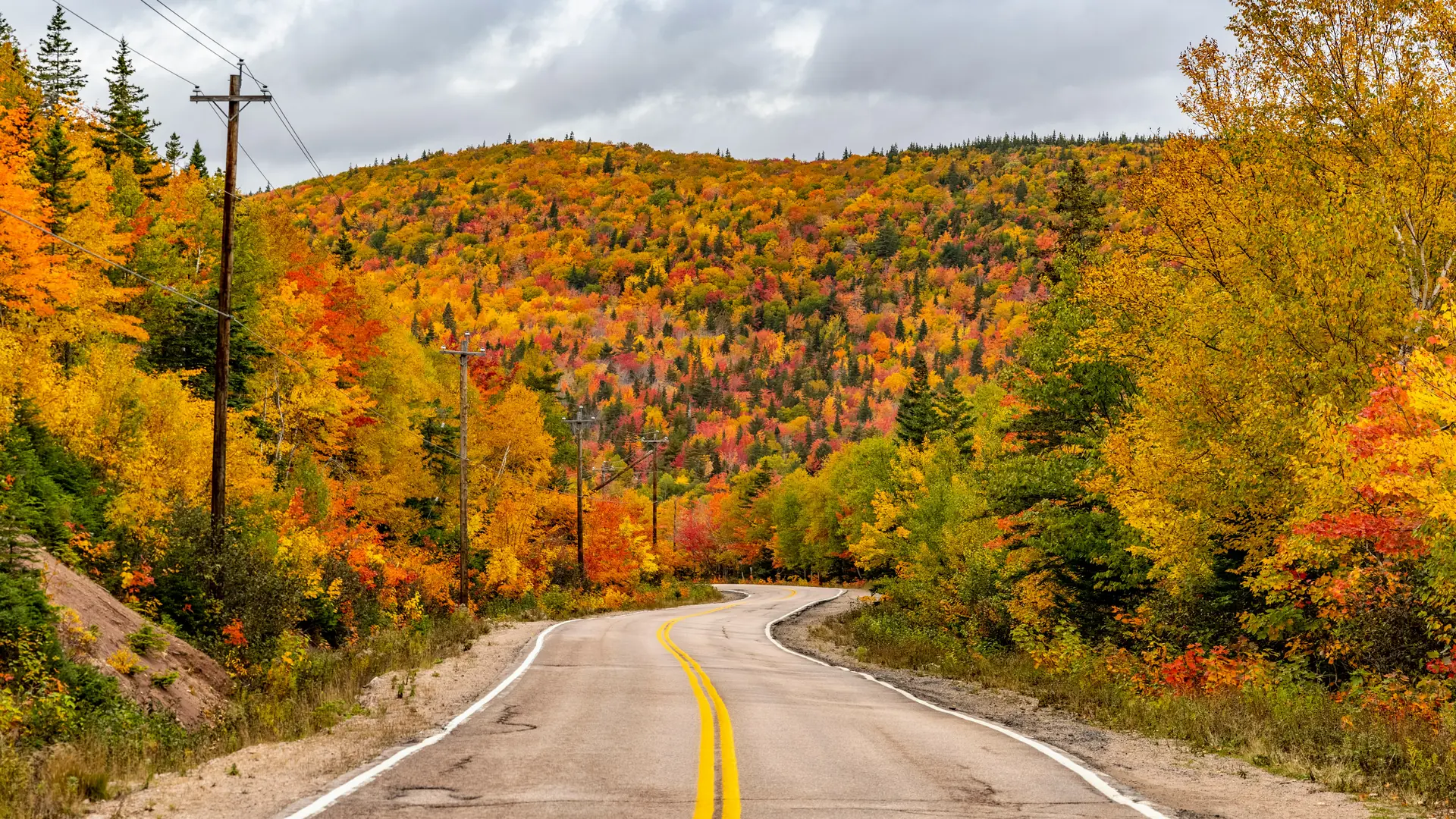
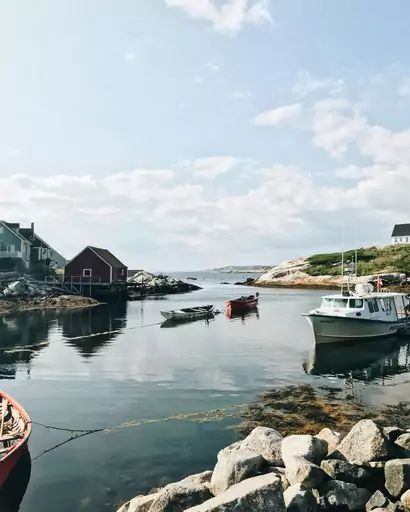
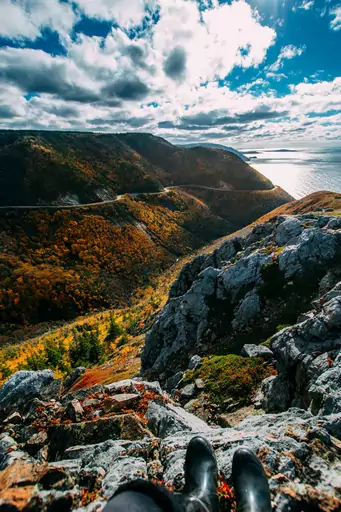
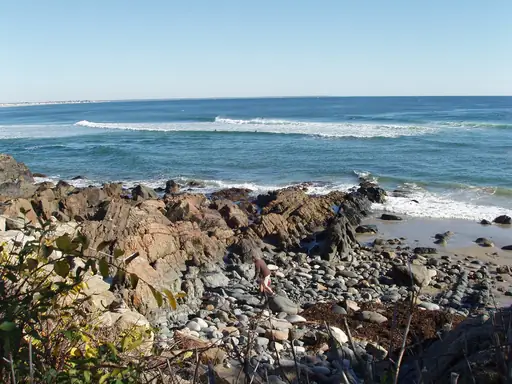
Cabot Trail is a coastal highway in Nova Scotia that showcases rugged landscapes and quiet forests. The route stretches through the northern part of the province where mountains meet the sea. Drivers encounter rolling hills covered with evergreen trees and open spaces dotted with small fishing villages. Weather changes quickly here; fog often rolls over the cliffs while sunshine breaks through unexpectedly.
The trail passes by Cape Breton Highlands, a place where trails lead to viewpoints overlooking deep valleys. Many hikers choose shorter walks that end at rocky beaches or quiet bays. Local guides share stories about the area’s history and wildlife including moose and eagles. Seasonal changes bring different colors to the landscape making each visit unique.
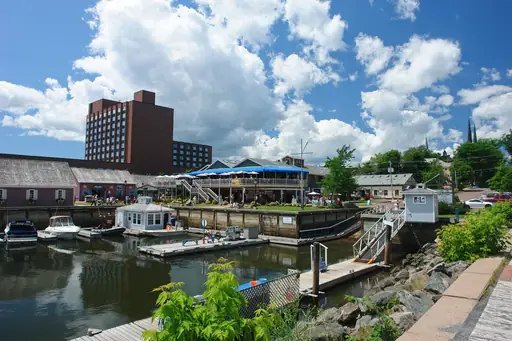
Communities along Cabot Trail keep traditions alive through music and food. Visitors can find small cafes serving fresh seafood and local bakeries with homemade treats. Public spaces host cultural events during summer months when tourists arrive in larger numbers. The pace here encourages slow travel and attention to detail.
Roads are mostly straight with wide shoulders allowing safe stops for photos or wildlife watching. Cell service can be limited beyond certain points so planning ahead is important. Campgrounds, inns and motels provide places to rest after long days on the road. The combination of natural beauty and community spirit makes Cabot Trail a destination worth exploring.
The Cabot Trail, located in Nova Scotia, Canada, is accessible primarily by road via the scenic Route 105. This route begins near the town of Chéticook and travels along the northern coast before looping through the Cape Breton Highlands National Park. The trail’s most iconic section runs from St. Anns to Inverness, offering dramatic coastal views and forested landscapes. Visitors can reach the area by driving from Halifax (approximately 3–4 hours) or by renting a vehicle in nearby towns. Public transit is limited; most travelers use private cars or guided tours for flexibility. Seasonal road conditions may affect access, particularly in winter months due to snow and ice.
Cabot Trail offers a mix of cozy cabins, family‑run inns and rustic lodges that cater to hikers, cyclists and nature lovers alike. Many accommodations are nestled in forested valleys or perched on coastal cliffs, providing panoramic views of the Atlantic and the Cape Breton Highlands. Prices vary from modest CA$80 – 120 (£42.57 – 63.86) per night for basic rooms to CA$200 – 300 (£106.44 – 159.66) for premium suites with private hot tubs and gourmet breakfasts. The region is renowned for its eco‑friendly lodges that emphasize sustainability, using solar power and locally sourced food. Seasonal packages often include guided hikes or whale‑watching tours, making the trail a year‑round destination for travelers seeking both comfort and adventure.
Log in to add this place to a travel list and get a summary of all recommended items for your whole trip.
We calculate the average costs when travelling to destinations and compare those with the living costs at your home. With this you can get an estimate of how expensive or cheap the destination is for you.
To customise this, you can set up which location and price level are used for the calculations in your account settings.
The exchange rate price factor shows how expensive or cheap a currency currently is compared to its historical average. It's a quick way to see if a country is currently more or less affordable due to exchange rate changes.
