







Was this page helpful?

| Power Grid: |
230 V, 50 Hz Plug: Type C , Type J
Type C:
  Read about power adapters |
|---|---|
| Currency: |
Swiss Franc (CHF) £1 ≈ CHF 1.10 |
| Cashless info: |
Rating 5/5
Switzerland is very cashless-friendly, with credit and debit cards widely accepted. Mobile payments like Apple Pay and Google Pay are also increasingly common.
Save with a travel credit card |
| eSIM providers: |
Best value: Saily Flexibility: Airalo Read our in-depth comparison |
| Tipping: | Tipping is appreciated but not mandatory in Switzerland. Most service charges are included in bills. In restaurants, rounding up to the nearest 5 CHF or leaving 5-10% is common. Taxi drivers and hotel staff appreciate small tips for exceptional service. |
|---|---|
| Public drinking: | Public drinking is allowed and socially acceptable in Switzerland, but being disruptive is frowned upon. Alcohol can be consumed in parks, trains, and outdoor events. |
| Public smoking: | Smoking is banned indoors in public places but allowed in designated areas. Outdoor smoking is common. |
| Swiss National Day (August) |
Expect celebrations, parades, and fireworks throughout the country. |
|---|---|
| Christmas (December) |
Markets and festive events are common, with tourist areas being busier than usual. |
| Easter (March/April) |
Many attractions are closed, but some areas offer special events and celebrations. |
| Emergency contact: | Emergency Number: 112 (Police, Fire, Ambulance) |
|---|---|
| Taxi apps: | Uber, Bolt |
| Other: | Switzerland is famous for its natural beauty, well-organised transport, and multilingual culture. The Swiss Travel Pass is highly recommended for tourists. |
The best times to travel section shows how the months compare for a visit, so you can find the time of year that fits what you want to do.
Background colours of the months:
The colour shows the typical temperature: yellow (hot), green (mild) and blue (cold). How strong the colour is shows the travel season: full colour means high season, soft colour means shoulder season and soft-striped means off season.
Weather symbols:
Each month has one symbol showing what the weather is typically like, such as hot and sunny, freezing or a rainy or snowy season. Use them to quickly spot months that match the weather you want, or to avoid the ones that don't.
Crowdedness:
The people icon shows how busy the place usually is. The more people, the more crowded it gets.
Additional notes:
The grey info boxes point out special things worth knowing, like recurring weather issues or seasonal events.
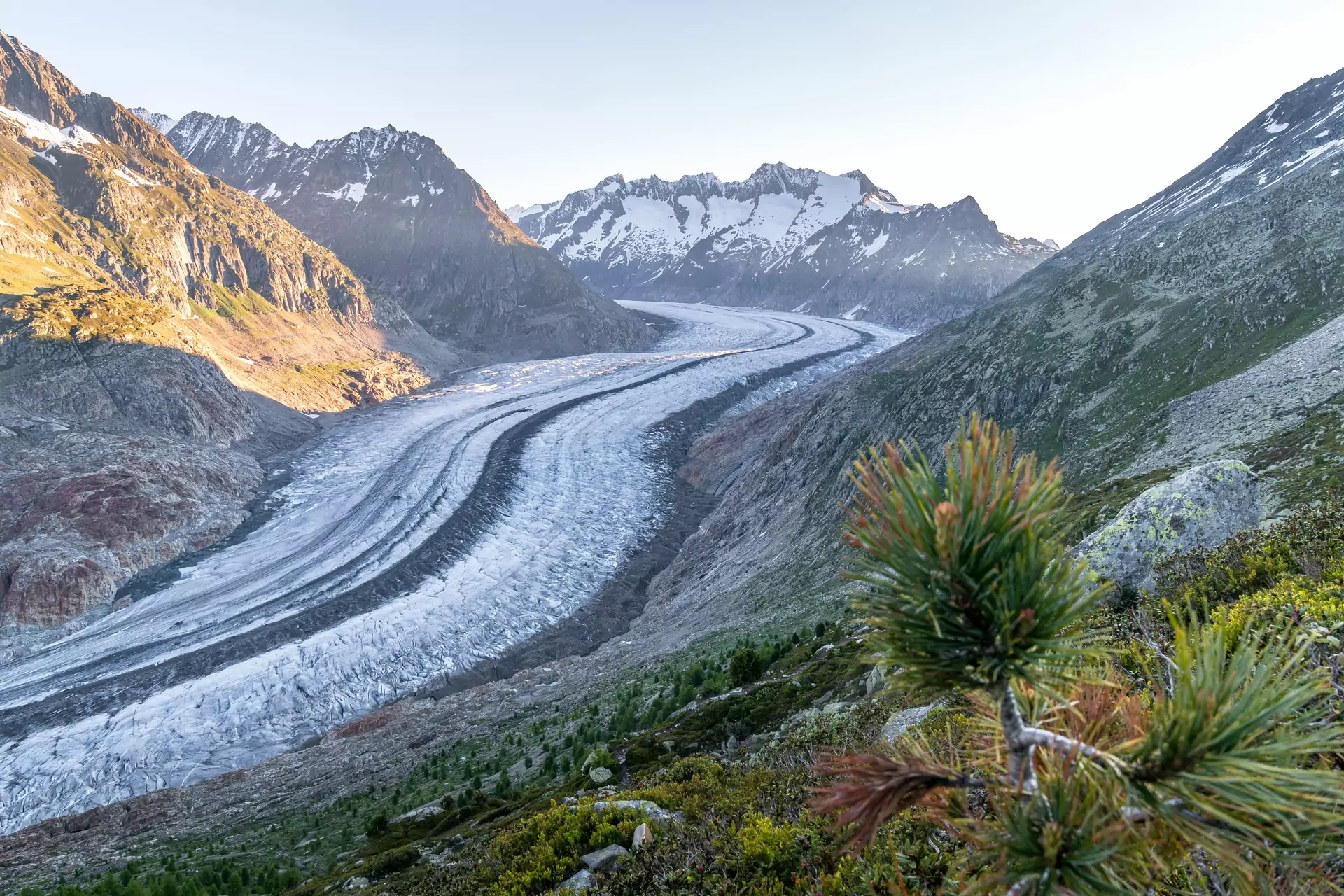
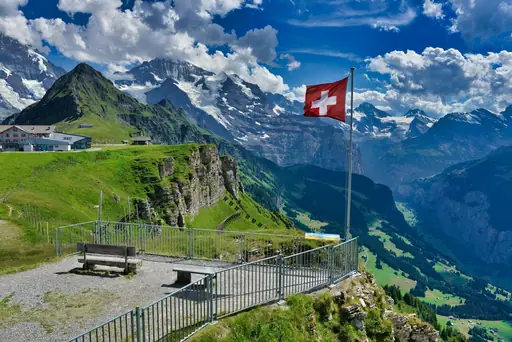
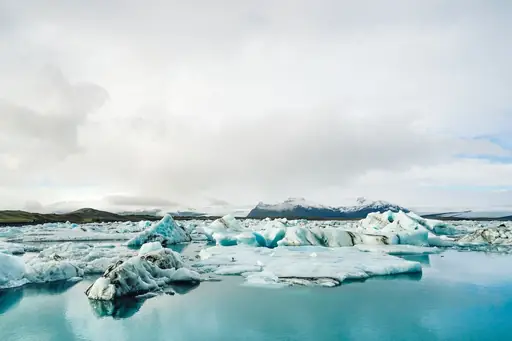
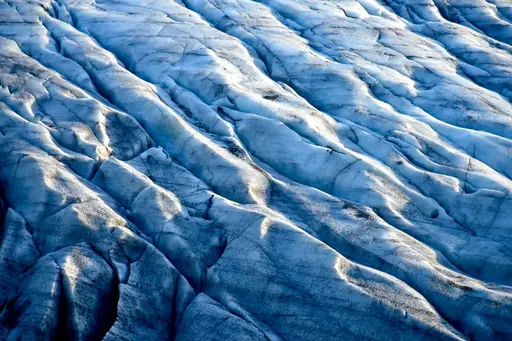
Located in the heart of Switzerland, the Aletsch Glacier stands as one of Europe’s most significant natural landmarks. Spanning over 23 kilometers in length it is the largest ice stream in the Alps. The glacier flows through the Bernese Oberland region where rugged mountains meet clear blue skies. Its presence shapes local weather patterns and supports diverse ecosystems across the valley floor.
The Aletsch Glacier plays a key role in water supply for nearby towns and villages. Meltwater from its surface feeds rivers that sustain agriculture and hydroelectric projects downstream. Visitors can observe massive ice formations up close while walking along marked trails that wind around the glacier’s edge. Many routes provide safe access without disturbing fragile alpine habitats.
Seasonal changes influence how people experience this area. In summer months long daylight hours allow for extended hikes and photography opportunities. Winter brings quieter landscapes with snow-covered slopes attracting cross-country skiers. Local guides share knowledge about glacier safety and environmental protection ensuring that exploration remains responsible.
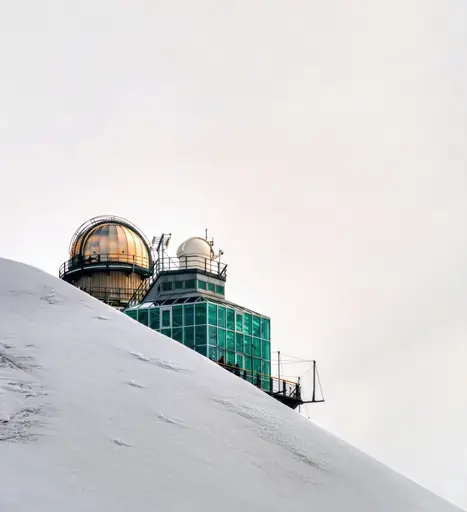
Scientific research stations near the glacier monitor climate trends and glacial movement. Data collected here helps scientists understand how warming temperatures affect ice masses worldwide. The site also serves as an educational resource for schools and universities interested in earth sciences. Travelers who visit often leave with a deeper awareness of natural processes that shape our planet.
The Aletsch Glacier, part of the UNESCO World Heritage site Jungfrau-Aletsch in Switzerland, is accessible via several transportation methods. The nearest major town is Naters, reachable by train from cities like Zurich or Geneva via the Swiss Federal Railways network. From Naters, visitors can take regional buses to the Aletsch Arena, a hub for public transport including buses and post buses that service trailheads and viewpoints. Hikers and cyclists may also use local transit options to connect with nearby villages such as Bettmeralp or Fiesch. For winter access, some routes may be limited due to snow conditions, requiring appropriate gear or seasonal adjustments.
The Aletsch Glacier region offers a mix of cozy chalets, family-friendly inns and boutique lodges that cater to both budget travelers and those seeking luxury. Many accommodations feature panoramic mountain views, traditional Swiss décor and access to ski lifts or hiking trails. Mid‑range options typically range from CHF 120 – 200 (£108.63 – 181.05) per night, while premium suites can exceed CHF 400 (£362.09), especially during peak winter season. The area is renowned for its “Alpine chalet” style – wooden facades, stone fireplaces and open balconies overlooking the glacier. For a more rustic experience, consider agritourism farms or small guesthouses that provide homemade meals and local cultural insights. All lodging generally offers free Wi‑Fi, breakfast and easy transport links to nearby ski resorts and hiking routes.
Log in to add this place to a travel list and get a summary of all recommended items for your whole trip.
We calculate the average costs when travelling to destinations and compare those with the living costs at your home. With this you can get an estimate of how expensive or cheap the destination is for you.
To customise this, you can set up which location and price level are used for the calculations in your account settings.
The exchange rate price factor shows how expensive or cheap a currency currently is compared to its historical average. It's a quick way to see if a country is currently more or less affordable due to exchange rate changes.
