








Was this page helpful?

| Power Grid: |
230 V, 50 Hz Plug: Type C , Type F
Type C:
  Read about power adapters |
|---|---|
| Currency: |
Euro (EUR) £1 ≈ €1.19 |
| Cashless info: |
Rating 5/5
Cashless payment is widely accepted in Spain, particularly in urban areas and tourist destinations. Credit and debit cards are commonly used, and mobile payment options are available in many establishments.
Save with a travel credit card |
| eSIM providers: |
Best value: Saily Flexibility: Airalo Read our in-depth comparison |
| Tipping: | Tipping is not mandatory in Spain but appreciated for good service. In restaurants, rounding up the bill or leaving 5-10% is customary. Taxi drivers and hotel staff may also be tipped, though it is less common. |
|---|---|
| Public drinking: | Public drinking is restricted in some regions, particularly in tourist-heavy cities. Local laws may vary. |
| Public smoking: | Smoking is banned indoors in public places but allowed in designated outdoor areas. |
| La Tomatina (August) |
A famous tomato-throwing festival, expect large crowds in Buñol. |
|---|---|
| Semana Santa (March/April) |
Religious parades and events make this a busy time in major cities. |
| Christmas (December) |
Markets and festive celebrations, with tourist areas becoming busier. |
| Emergency contact: | Emergency Number: 112 (Police, Fire, Ambulance) |
|---|---|
| Taxi apps: | Cabify, Bolt, Uber |
| Other: | Spain is known for its diverse culture, stunning architecture, and vibrant festivals. Public transport is reliable and efficient, making it easy to explore. |
The best times to travel section shows how the months compare for a visit, so you can find the time of year that fits what you want to do.
Background colours of the months:
The colour shows the typical temperature: yellow (hot), green (mild) and blue (cold). How strong the colour is shows the travel season: full colour means high season, soft colour means shoulder season and soft-striped means off season.
Weather symbols:
Each month has one symbol showing what the weather is typically like, such as hot and sunny, freezing or a rainy or snowy season. Use them to quickly spot months that match the weather you want, or to avoid the ones that don't.
Crowdedness:
The people icon shows how busy the place usually is. The more people, the more crowded it gets.
Additional notes:
The grey info boxes point out special things worth knowing, like recurring weather issues or seasonal events.
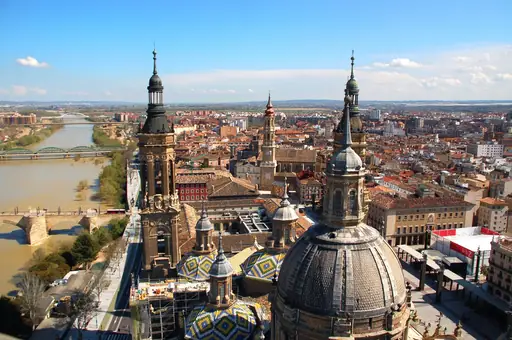
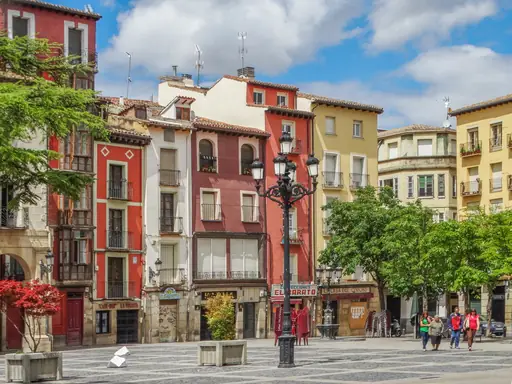
The Ebro River flows through northeastern Spain creating a lifeline for both nature and people. It starts in the Pyrenees mountains and travels over 900 kilometers before reaching the Mediterranean Sea. The river passes through cities like Zaragoza where its presence shapes daily life and local economies.
Along its banks, green valleys stretch out with orchards and farmland. Farmers grow rice wheat and fruit trees benefiting from the water supply. In springtime the landscape turns lush as wildflowers bloom along the edges making it a popular spot for walks and cycling trips. The river also supports diverse wildlife including birds fish and small mammals that rely on its habitats.
Historically the Ebro has been important for trade and transportation. Ancient settlements grew near its waters adapting to seasonal changes in flow. Today boat tours let visitors see historic bridges and old mills while learning about regional traditions. Local markets along the river sell fresh seafood from nearby coastal towns adding flavor to the area’s culinary identity.
Visitors can enjoy kayaking or simply sit by the water watching boats pass by. The rhythm of the Ebro brings calmness to those who live in its shadow and curiosity to travelers exploring the region. Whether you seek adventure or quiet moments this river remains a central part of life in northeastern Spain offering practical beauty without excess noise.
The Ebro River flows through northeastern Spain, primarily within Catalonia and Aragon. Access to the river is facilitated by its proximity to major cities like Zaragoza, which lies along its banks and offers train and road connections. The river’s navigable sections allow for boat travel between towns such as Tortosa and Amposta, with regional buses and car rentals providing overland access. Bike paths and walking trails run parallel to parts of the river, particularly in urban areas. Ferries operate seasonally for leisure or tourism, while larger vessels use key ports like El Ebro. The river’s delta region near the Mediterranean supports both local transport and recreational activities.
Along the banks of the Ebro River, accommodation ranges from rustic farm stays in the countryside to boutique inns perched on hilltops overlooking the water. Many rural guesthouses offer traditional Catalan or Aragonese décor, complete with homemade paella and local wine tastings, typically priced between €60 – 90 (£50.25 – 75.37) per night. In towns like Tortosa and Zaragoza, you’ll find modern apartments and serviced studios that blend contemporary design with historic charm, usually around €80 – 120 (£67.00 – 100.50). The region is renowned for its “cabanas de río” – small wooden lodges built directly on the riverbank, ideal for weekend retreats, often available at a modest €70 (£58.62) per night. For luxury seekers, boutique hotels in Zaragoza’s old quarter provide high-end amenities and panoramic Ebro views, with rates starting near €150 (£125.62).
Log in to add this place to a travel list and get a summary of all recommended items for your whole trip.
We calculate the average costs when travelling to destinations and compare those with the living costs at your home. With this you can get an estimate of how expensive or cheap the destination is for you.
To customise this, you can set up which location and price level are used for the calculations in your account settings.
The exchange rate price factor shows how expensive or cheap a currency currently is compared to its historical average. It's a quick way to see if a country is currently more or less affordable due to exchange rate changes.
