








Was this page helpful?

| Opening hours: |
|
|
|---|---|---|
| Public website: | apartamentos-camino-de-santiago.spainrelax.top |
| Power Grid: |
230 V, 50 Hz Plug: Type C , Type F
Type C:
  Read about power adapters |
|---|---|
| Currency: |
Euro (EUR) £1 ≈ €1.19 |
| Cashless info: |
Rating 5/5
Cashless payment is widely accepted in Spain, particularly in urban areas and tourist destinations. Credit and debit cards are commonly used, and mobile payment options are available in many establishments.
Save with a travel credit card |
| eSIM providers: |
Best value: Saily Flexibility: Airalo Read our in-depth comparison |
| Tipping: | Tipping is not mandatory in Spain but appreciated for good service. In restaurants, rounding up the bill or leaving 5-10% is customary. Taxi drivers and hotel staff may also be tipped, though it is less common. |
|---|---|
| Public drinking: | Public drinking is restricted in some regions, particularly in tourist-heavy cities. Local laws may vary. |
| Public smoking: | Smoking is banned indoors in public places but allowed in designated outdoor areas. |
| La Tomatina (August) |
A famous tomato-throwing festival, expect large crowds in Buñol. |
|---|---|
| Semana Santa (March/April) |
Religious parades and events make this a busy time in major cities. |
| Christmas (December) |
Markets and festive celebrations, with tourist areas becoming busier. |
| Emergency contact: | Emergency Number: 112 (Police, Fire, Ambulance) |
|---|---|
| Taxi apps: | Cabify, Bolt, Uber |
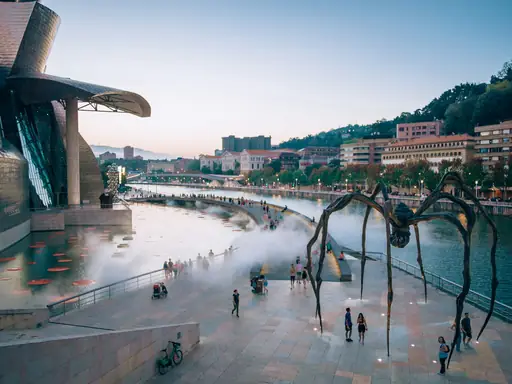
| Other: | Spain is known for its diverse culture, stunning architecture, and vibrant festivals. Public transport is reliable and efficient, making it easy to explore. |
The best times to travel section shows how the months compare for a visit, so you can find the time of year that fits what you want to do.
Background colours of the months:
The colour shows the typical temperature: yellow (hot), green (mild) and blue (cold). How strong the colour is shows the travel season: full colour means high season, soft colour means shoulder season and soft-striped means off season.
Weather symbols:
Each month has one symbol showing what the weather is typically like, such as hot and sunny, freezing or a rainy or snowy season. Use them to quickly spot months that match the weather you want, or to avoid the ones that don't.
Crowdedness:
The people icon shows how busy the place usually is. The more people, the more crowded it gets.
Additional notes:
The grey info boxes point out special things worth knowing, like recurring weather issues or seasonal events.
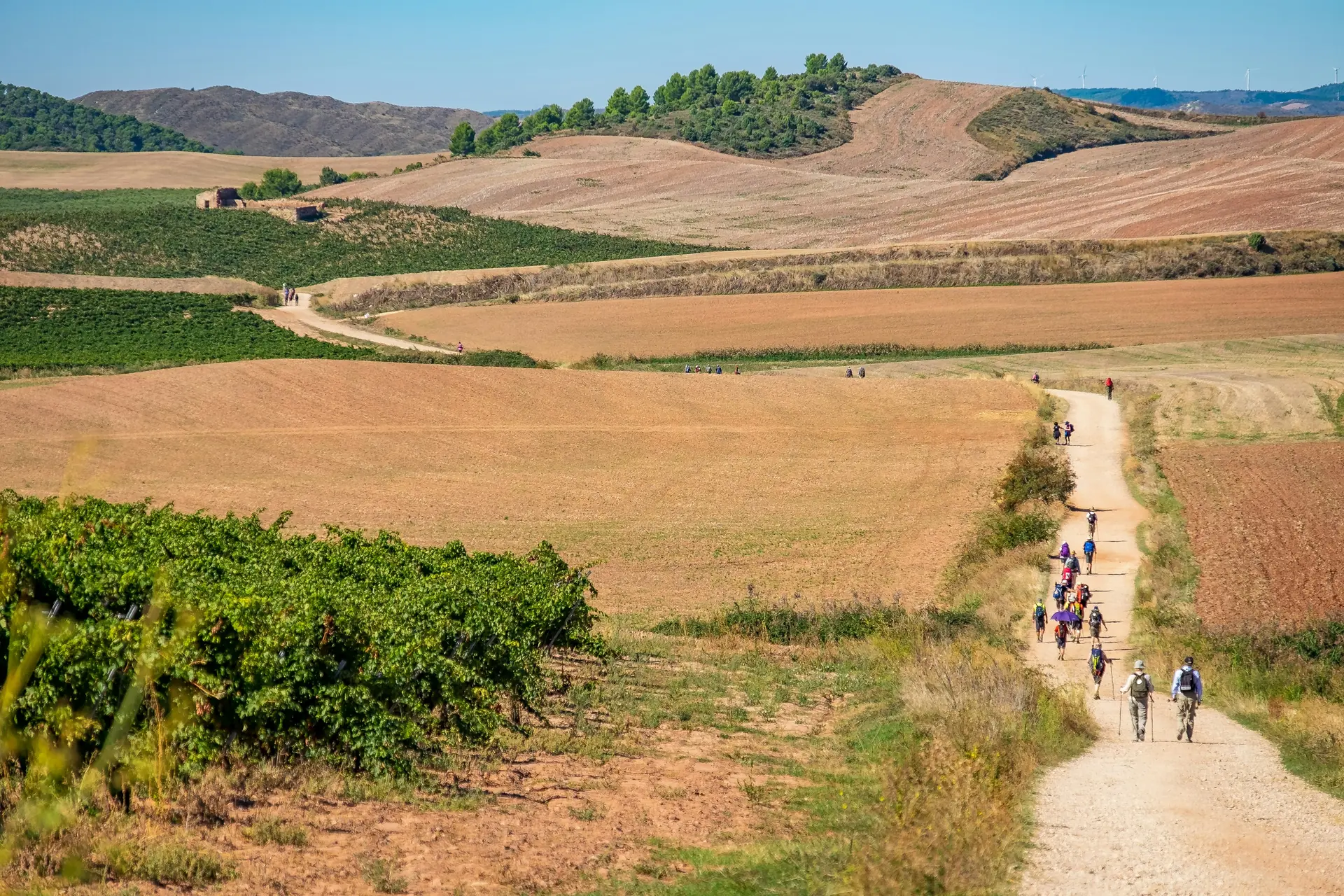
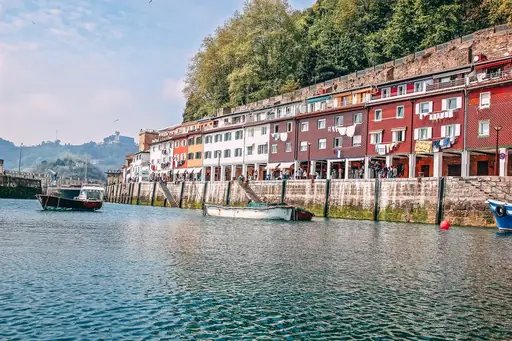
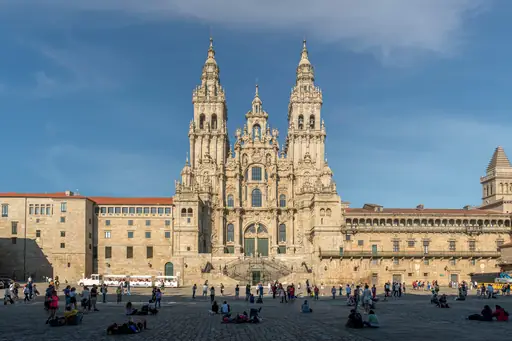
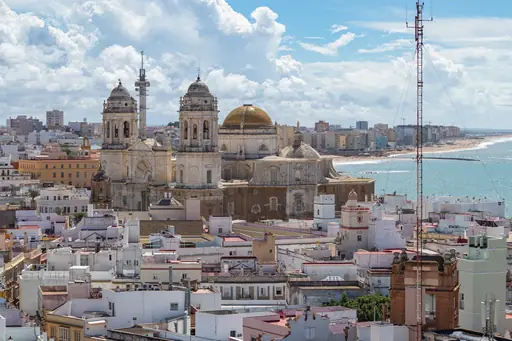
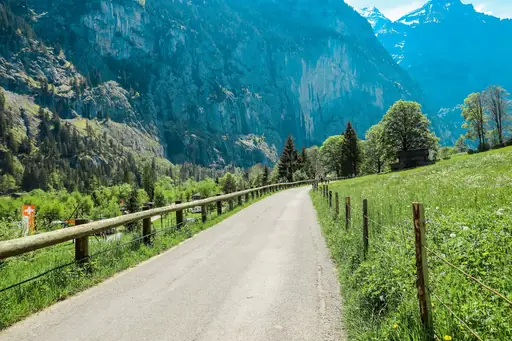
The Camino de Santiago is a historic trail that stretches across northern Spain to reach the cathedral of Santiago de Compostela. This route has guided travelers for centuries. Many walk it seeking personal reflection or spiritual growth. The path passes through varied landscapes including rolling hills and quiet villages. Each step reveals small towns where locals share stories over simple meals.
Along the way are ancient churches and stone bridges that tell tales of past pilgrims. Rest stops often feature benches carved from local wood where walkers pause to hydrate or adjust their packs. The route includes both busy sections near cities and remote stretches where only birdsong fills the air. Weather changes quickly here; sun can give way to rain within hours, so packing layers is essential.
Accommodation ranges from family-run hostels with shared kitchens to small hotels run by residents who remember generations of travelers. Meals focus on fresh ingredients like bread baked daily or stews made with seasonal vegetables. Many pilgrims carry a small backpack for day trips while keeping essentials close. The pace slows naturally allowing time to notice details often missed in faster travel.
Modern-day walkers include students finishing school projects, retirees exploring life after work and families creating shared memories. Some follow the route alone; others join groups that offer occasional guidance or language help. No matter the reason each person carries their own intentions. The journey ends not just at a destination but with a sense of having moved through both terrain and time.
The Camino de Santiago or Pilgrim’s Way to Santiago de Compostela in Spain, is accessible via several well-marked routes. The most popular starting point is Saint-Jean-Pied-de-Port on the French side, reachable by train from major Spanish cities like Madrid and Barcelona. Alternatively, pilgrims may begin at Roncesvalles in Navarre, connected to Pamplona by bus or rail. From there, trails branch toward Santiago across northern Spain. Accessible by car via A-12 and A-8 highways, the route also allows for cycling or walking. Pilgrims often use public transport to reach trailheads before continuing on foot.
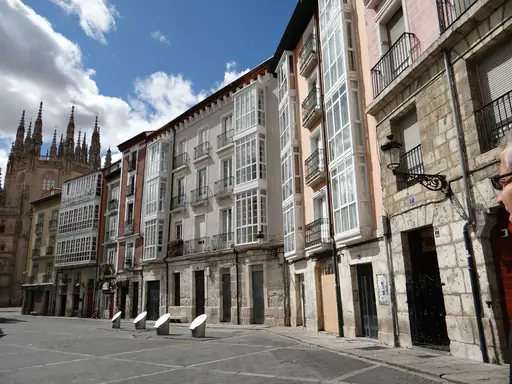
Along the Camino de Santiago’s Spanish routes, accommodation ranges from rustic albergues to boutique hostels and modest guesthouses, offering roughly 1,200–1,400 lodging spots per day in major towns like León, Burgos and Oviedo. Pilgrims often choose albergues – community-run hostels with shared dormitories and simple meals – for their affordability (typically €10 – 20 (£8.40 – 16.79)) and camaraderie. In larger cities, a growing number of boutique hostels provide private rooms, Wi‑Fi and modern amenities while maintaining a pilgrim-friendly atmosphere. Rural villages feature traditional guesthouses (“posadas”) that blend local charm with basic comforts. The Camino’s lodging culture emphasizes accessibility, affordability and a shared sense of journey rather than luxury.
Log in to add this place to a travel list and get a summary of all recommended items for your whole trip.
We calculate the average costs when travelling to destinations and compare those with the living costs at your home. With this you can get an estimate of how expensive or cheap the destination is for you.
To customise this, you can set up which location and price level are used for the calculations in your account settings.
The exchange rate price factor shows how expensive or cheap a currency currently is compared to its historical average. It's a quick way to see if a country is currently more or less affordable due to exchange rate changes.
