









Was this page helpful?

| Opening hours: |
|
||||
|---|---|---|---|---|---|
| Public website: | villae.cultura.gov.it |
| Power Grid: |
230 V, 50 Hz Plug: Type C , Type F
Type C:
  Read about power adapters |
|---|---|
| Currency: |
Euro (EUR) £1 ≈ €1.19 |
| Cashless info: |
Rating 5/5
Cashless payments are widely accepted in Italy, particularly in cities. While larger establishments and chains are fully cashless, smaller shops may still prefer cash.
Save with a travel credit card |
| eSIM providers: |
Best value: Saily Flexibility: Airalo Read our in-depth comparison |
| Tipping: | Tipping is customary in Italy, especially in restaurants where 10-15% is typical. Tipping for taxi drivers is usually rounded up or 5-10%. Small tips for hotel staff are also appreciated. |
|---|---|
| Public drinking: | Public drinking is allowed in Italy, especially in public squares and during festivals. In some regions, it is illegal to drink alcohol in certain areas like public transport or near schools. |
| Public smoking: | Smoking is banned in indoor public spaces and on public transport. Designated smoking areas are available outside. |
| Ferragosto (August) |
Many businesses close, and Italians take holidays. It’s very busy in tourist areas. |
|---|---|
| Christmas (December) |
Christmas markets and festivities are popular, expect higher prices and crowded attractions. |
| La Befana (January) |
Celebrated on January 6, the Epiphany is a public holiday with festive events, and some businesses close. |
| Emergency contact: | Emergency Number: 112 (Police, Fire, Ambulance) |
|---|---|
| Taxi apps: | Uber, Free Now, ItTaxi |
| Other: | Italy's tourist infrastructure is well-developed, but some rural or historical areas may require extra planning for accessibility. |
The best times to travel section shows how the months compare for a visit, so you can find the time of year that fits what you want to do.
Background colours of the months:
The colour shows the typical temperature: yellow (hot), green (mild) and blue (cold). How strong the colour is shows the travel season: full colour means high season, soft colour means shoulder season and soft-striped means off season.
Weather symbols:
Each month has one symbol showing what the weather is typically like, such as hot and sunny, freezing or a rainy or snowy season. Use them to quickly spot months that match the weather you want, or to avoid the ones that don't.
Crowdedness:
The people icon shows how busy the place usually is. The more people, the more crowded it gets.
Additional notes:
The grey info boxes point out special things worth knowing, like recurring weather issues or seasonal events.
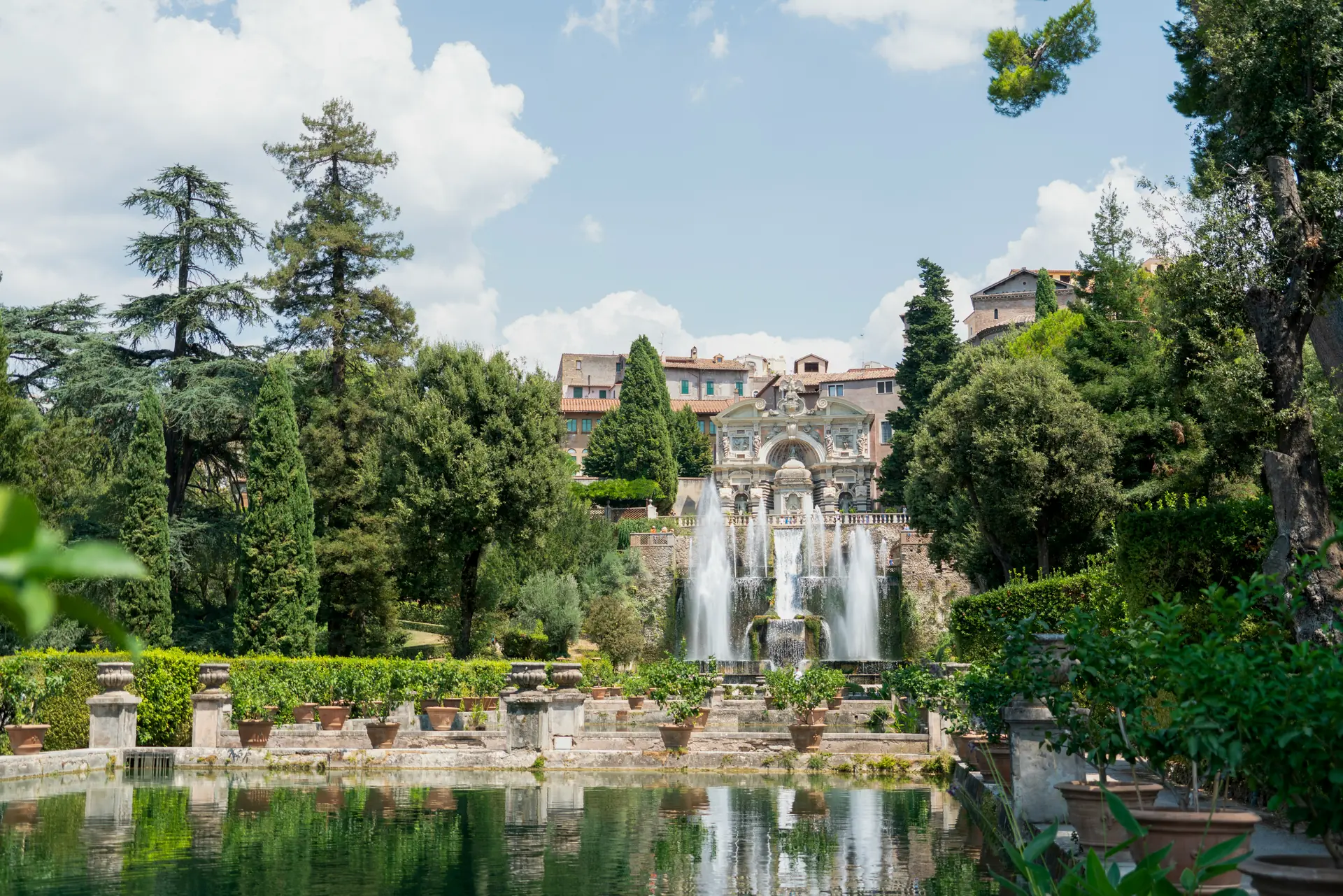
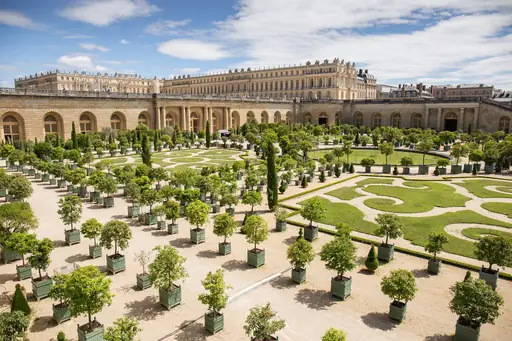
Villa dEste in Tivoli presents a remarkable example of Renaissance architecture and garden design. The villa stands as a testament to the artistic ambitions of its time featuring elegant water features stone pathways and carefully arranged greenery. Visitors encounter intricate fountains that demonstrate advanced engineering for their era creating soothing sounds throughout the grounds. The integration of art and nature reflects the humanist ideals popular during the 16th century.
The gardens surrounding Villa dEste showcase a careful balance between formal geometry and natural growth. Terraces cascade down toward reflective pools where cypress trees stand tall. Walkways lined with orange groves lead to hidden corners filled with sculptures and small pavilions. Each turn reveals new details inviting exploration without overwhelming the senses. The design emphasizes harmony rather than excess making it accessible for thoughtful reflection.
Inside the villa visitors find rooms adorned with original frescoes and decorative elements that have survived centuries of change. Materials such as marble stone and terracotta contribute to a tactile experience highlighting craftsmanship of local artisans. The interiors maintain proportions that feel open despite limited natural light enhancing the sense of calm throughout the space. Historical context helps visitors appreciate how daily life intersected with artistic expression.
Beyond its visual appeal Villa dEste serves as an educational resource for understanding cultural exchange during the Renaissance. Exhibits and guided tours explain influences from different regions showing how ideas traveled across Europe. Seasonal events often highlight specific aspects of the site such as music performances or workshops on traditional gardening techniques. This approach ensures that each visit contributes to a deeper awareness of shared heritage without relying on modern gimmicks.
Villa d'Este, located in Tivoli near Rome, Italy, is accessible via public transportation and private travel options. The nearest train station is Roma Tiburtina, from which visitors can take a regional train to Tivoli Centrale, followed by a short taxi ride or bus (line 3) to the villa. Private transfers are available through local car services. Bus routes also connect Rome’s Termini Station to Tivoli, with transfers required in some cases. Walking is impractical due to distance from Rome, but scenic drives via Via Appia Antica offer alternative access. The site is reachable by car or public transit, though advance planning is advised for seamless arrival.
Near the Villa d’Este, Rome offers a mix of boutique inns and upscale apartments that cater to art‑loving visitors. The historic center hosts several charming guesthouses in narrow medieval streets, providing intimate rooms with classic décor and easy access to nearby museums. For those seeking luxury, the area around Piazza del Popolo features high‑end serviced apartments boasting panoramic city views and modern amenities. Many accommodations emphasize local craftsmanship, offering handmade furnishings and regional cuisine on site. The neighborhood’s proximity to the Villa d’Este and other cultural landmarks makes it a popular choice for travelers who appreciate both convenience and refined comfort.
Log in to add this place to a travel list and get a summary of all recommended items for your whole trip.
We calculate the average costs when travelling to destinations and compare those with the living costs at your home. With this you can get an estimate of how expensive or cheap the destination is for you.
To customise this, you can set up which location and price level are used for the calculations in your account settings.
The exchange rate price factor shows how expensive or cheap a currency currently is compared to its historical average. It's a quick way to see if a country is currently more or less affordable due to exchange rate changes.
