








Was this page helpful?

| Public website: | guidetoiceland.is |
|---|
| Power Grid: |
230 V, 50 Hz Plug: Type F
Type F:
 Read about power adapters |
|---|---|
| Currency: |
Icelandic Króna (ISK) £1 ≈ ISK 162 |
| Cashless info: |
Rating 5/5
Cashless payments are highly common in Iceland, especially in cities. Most businesses accept credit and debit cards, including smaller establishments. Mobile payment options like Apple Pay and Google Pay are popular.
Save with a travel credit card |
| eSIM providers: |
Best value: Saily Flexibility: Airalo Read our in-depth comparison |
| Tipping: | Tipping is not common in Iceland and not expected in restaurants. A service charge is usually included in the bill. Tipping taxi drivers or hotel staff is appreciated but not necessary. |
|---|---|
| Public drinking: | Public drinking is allowed, especially in designated areas during festivals or outdoor events. Alcohol is also available at licensed venues. |
| Public smoking: | Smoking is prohibited in indoor public spaces and on public transport. Designated smoking areas are available outside of many restaurants and public buildings. |
| Icelandic National Day (June) |
Expect parades and celebrations throughout the country. Hotels and tourist spots can get busy. |
|---|---|
| Christmas (December) |
Christmas is widely celebrated, and it’s a great time to visit for festive markets, but accommodation can be more expensive. |
| Þorrablót Festival (January) |
A festival celebrating Icelandic cuisine, it’s a popular time to visit, though some businesses may have reduced hours. |
| Emergency contact: | Emergency Number: 112 (Police, Fire, Ambulance) |
|---|---|
| Taxi apps: | Hreyfill, Reykjavik Taxi |
| Other: | Iceland's weather can be unpredictable, so it’s important to prepare for sudden changes in climate. Always check weather forecasts before venturing into nature. |
The best times to travel section shows how the months compare for a visit, so you can find the time of year that fits what you want to do.
Background colours of the months:
The colour shows the typical temperature: yellow (hot), green (mild) and blue (cold). How strong the colour is shows the travel season: full colour means high season, soft colour means shoulder season and soft-striped means off season.
Weather symbols:
Each month has one symbol showing what the weather is typically like, such as hot and sunny, freezing or a rainy or snowy season. Use them to quickly spot months that match the weather you want, or to avoid the ones that don't.
Crowdedness:
The people icon shows how busy the place usually is. The more people, the more crowded it gets.
Additional notes:
The grey info boxes point out special things worth knowing, like recurring weather issues or seasonal events.
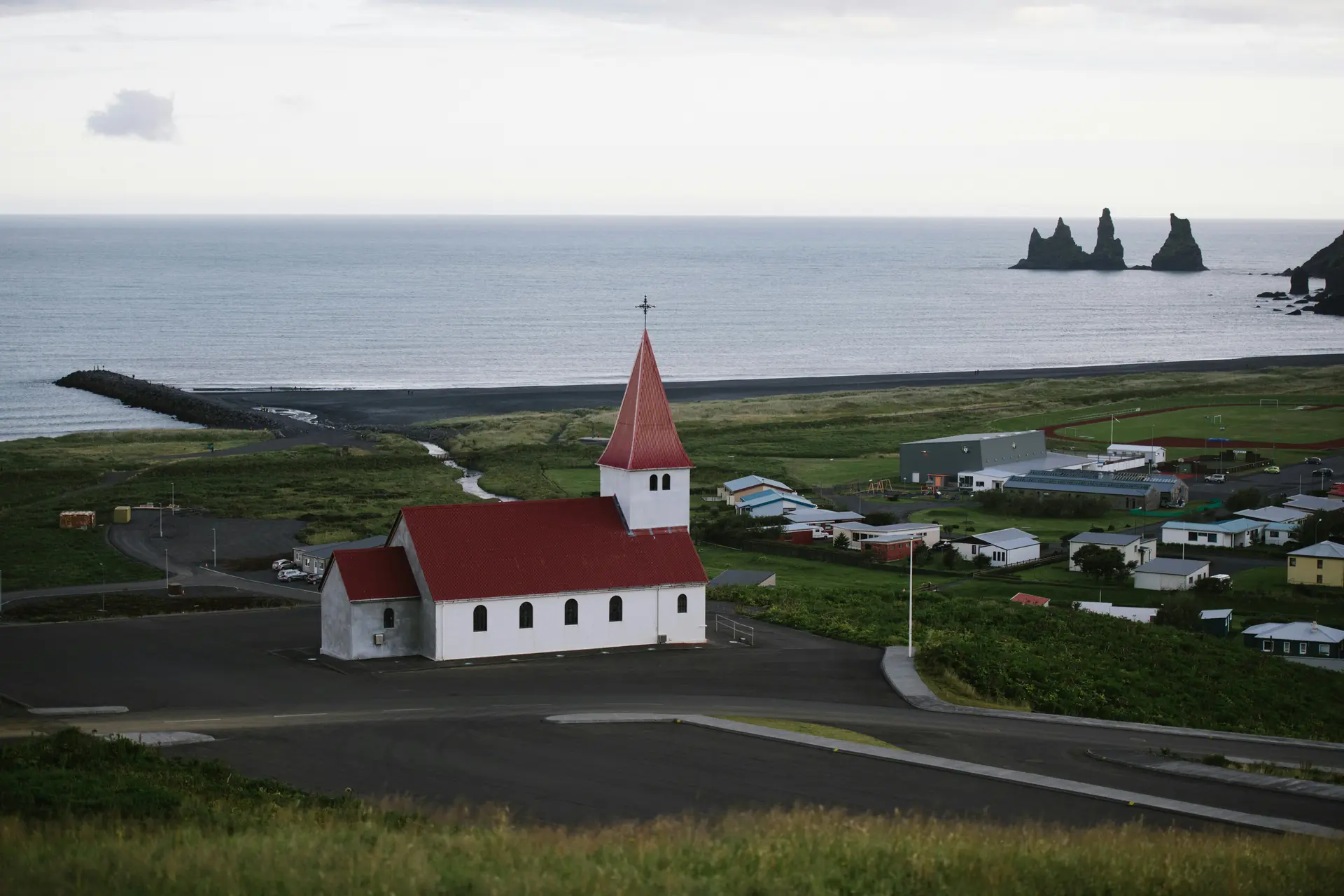
Reynisfjara Beach in Iceland is a striking coastal spot where black volcanic sand meets powerful Atlantic waves. The shoreline stretches for miles, framed by jagged basalt columns that rise from the ground like ancient sentinels. These formations, shaped by centuries of wind and water, create dramatic backdrops against the ever-changing sky. The beach’s raw beauty draws visitors seeking both solitude and awe-inspiring natural power.
The ocean here moves with relentless energy. Waves crash violently against the shore, sending sprays of saltwater into the air. During storms, the sea surges higher than usual, reshaping the sand and revealing hidden rock pools teeming with marine life. Even on calm days, the water’s deep blue hue contrasts sharply with the dark beach below. This constant motion reminds travelers of Iceland’s position atop shifting tectonic plates.
Nearby black cliffs offer panoramic views of the coastline. Seabirds like puffins and kittiwakes nest in crevices, adding bursts of color to the gray landscape. The air carries a sharp scent of seaweed and brine, while occasional gusts from the north make visitors adjust their jackets. Walking along the shore feels like stepping into a world where nature remains untamed and unyielding.
Visiting Reynisfjara requires awareness of its natural forces. The tide can rise quickly, leaving little time to retreat if waves surge inland. Signs warn of dangers but also invite exploration during safe hours. Whether watching sunsets paint the cliffs gold or feeling the chill of a winter breeze, the beach leaves a lasting impression through its unpolished beauty and reminders of Earth’s ongoing creation.
Reynisfjara is unlike any other beach. The stark contrast between the pitch-black sand and the white-capped waves creates this otherworldly atmosphere that feels almost like you're walking on another planet. The basalt columns forming geometric patterns along the cliffside and the Halsanefshellir sea cave are geological wonders that showcase Iceland's volcanic origins in the most artistic way possible. What makes this place truly special is how raw and untamed it feels. There's no commercialization here - just pure, powerful nature at its most dramatic. The Reynisdrangar sea stacks rising from the ocean create a mystical backdrop that changes with the light and weather. Just be extremely cautious about the ocean here - those beautiful waves are genuinely dangerous. Sneaker waves can appear without warning and have swept visitors out to sea even on seemingly calm days. Always stay far back from the water's edge, never turn your back to the ocean and pay close attention to the warning lights and safety zones marked on the beach.
Reynisfjara is located about 180 km (112 miles) from Reykjavik, approximately a 2.5-hour drive along the scenic Ring Road (Route 1) and Road 215. Most visitors either rent a car in Reykjavik for flexibility or join organized South Coast tours that include Reynisfjara as a stop. If self-driving, the route is well-marked and straightforward, though winter conditions can be challenging. There's no public transportation directly to the beach, so a tour or rental car is necessary.
Most visitors to Reynisfjara stay in the nearby village of Vik, just a 10-minute drive away, which offers a range of accommodations from guesthouses to hotels. The area around Reynisfjara is primarily known for cozy, smaller-scale lodging options rather than large resorts. For budget travelers, there are also camping options in Vik during summer months. Alternatively, some visitors make Reynisfjara a day trip from Reykjavik or include it as a stop on their Ring Road journey.
Log in to add this place to a travel list and get a summary of all recommended items for your whole trip.
We calculate the average costs when travelling to destinations and compare those with the living costs at your home. With this you can get an estimate of how expensive or cheap the destination is for you.
To customise this, you can set up which location and price level are used for the calculations in your account settings.
The exchange rate price factor shows how expensive or cheap a currency currently is compared to its historical average. It's a quick way to see if a country is currently more or less affordable due to exchange rate changes.
