









Was this page helpful?

| Public website: | katedrala.hr |
|---|
| Power Grid: |
230 V, 50 Hz Plug: Type C , Type F
Type C:
  Read about power adapters |
|---|---|
| Currency: |
Euro (EUR) £1 ≈ €1.19 |
| Cashless info: |
Rating 4/5
Cashless payments are widely accepted, but some smaller businesses may prefer cash.
Save with a travel credit card |
| eSIM providers: |
Best value: Saily Flexibility: Airalo Read our in-depth comparison |
| Tipping: | Tipping is appreciated but not mandatory. Leaving 5-10% in restaurants is common. |
|---|---|
| Public drinking: | Public drinking is generally allowed, especially in tourist areas. |
| Public smoking: | Smoking is restricted in public places but allowed in designated areas. |
| Statehood Day (May) |
Events and closures occur. |
|---|---|
| Easter (March/April) |
Religious observances and closures. |
| Christmas (December) |
Markets and celebrations. |
| Emergency contact: | Emergency Number: 112 |
|---|---|
| Taxi apps: | Uber, Bolt, Cammeo |
| Other: | Island-hopping and exploring the Adriatic coast are highly recommended. Summer can be crowded. |
The best times to travel section shows how the months compare for a visit, so you can find the time of year that fits what you want to do.
Background colours of the months:
The colour shows the typical temperature: yellow (hot), green (mild) and blue (cold). How strong the colour is shows the travel season: full colour means high season, soft colour means shoulder season and soft-striped means off season.
Weather symbols:
Each month has one symbol showing what the weather is typically like, such as hot and sunny, freezing or a rainy or snowy season. Use them to quickly spot months that match the weather you want, or to avoid the ones that don't.
Crowdedness:
The people icon shows how busy the place usually is. The more people, the more crowded it gets.
Additional notes:
The grey info boxes point out special things worth knowing, like recurring weather issues or seasonal events.
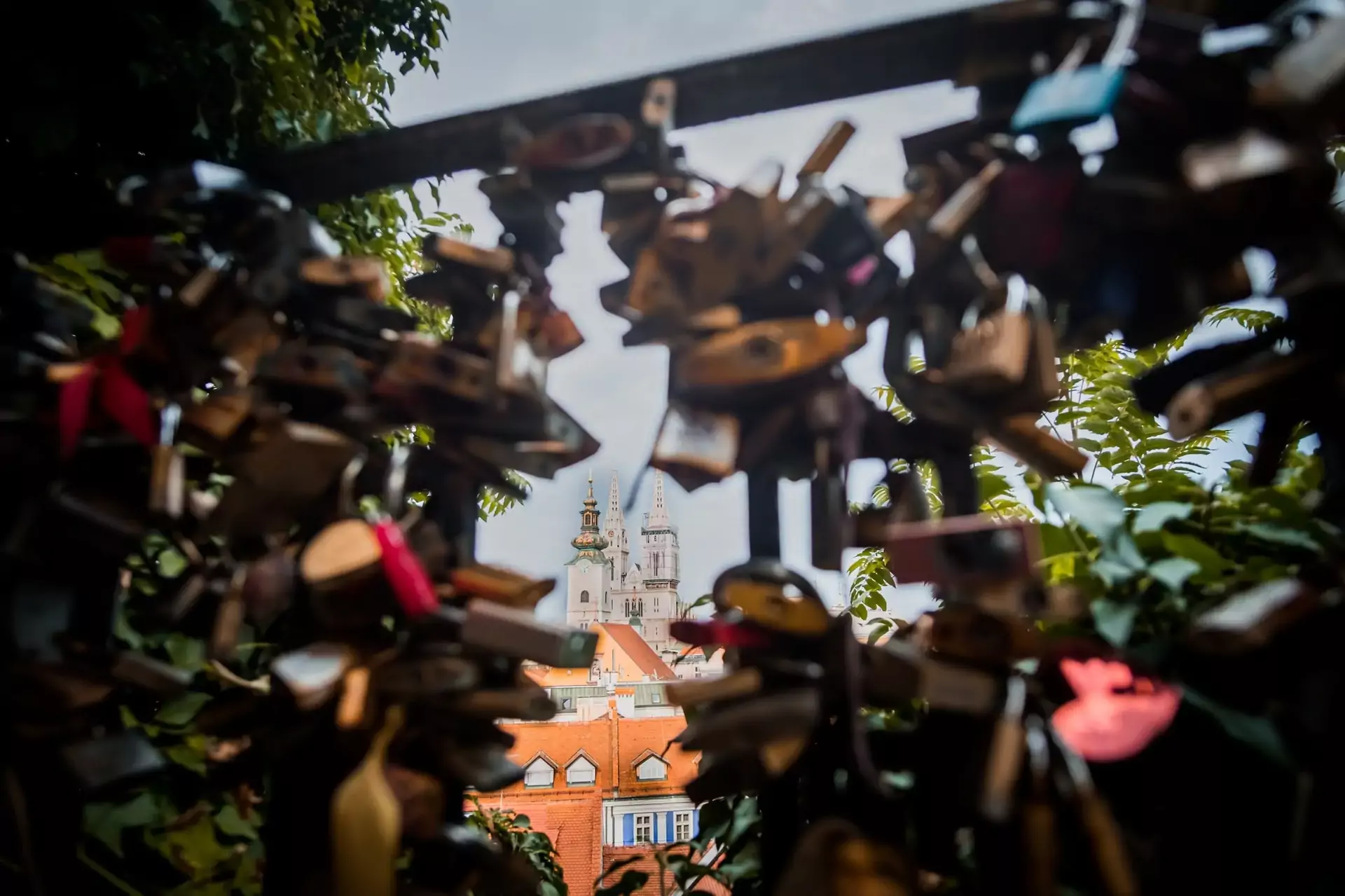
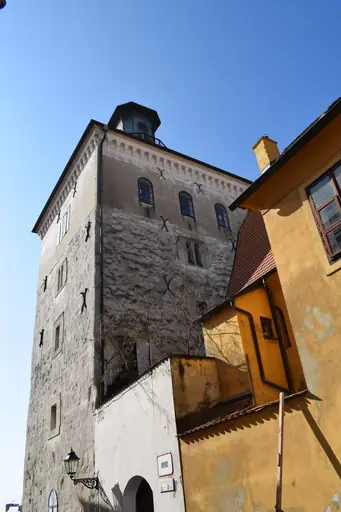
Zagreb Cathedral, officially the Cathedral of the Assumption of the Blessed Virgin Mary and Saints Stephen and Ladislaus, is a crowning jewel of Croatian Gothic and Neo-Gothic architecture. Its iconic twin spires, soaring 108 meters high, are visible across the city, symbolizing Zagreb’s rich cultural and spiritual heritage. The cathedral's origins trace back to the 11th century, with its current form resulting from extensive reconstruction after numerous damages caused by invasions and an 1880 earthquake.
Inside, the cathedral houses remarkable art and relics, including the famous Albrecht Dürer triptych and baroque altars and statues. The sacristy is architecturally valuable and music lovers will appreciate the cathedral's high-quality organ, considered one of the finest in the world. Visitors often note the beautiful marble pulpit and the solemn atmosphere of this place of worship.
However, it is important to be aware that the cathedral has been under restoration, especially following the 2020 Zagreb earthquake, which caused damage to its towers. This means some parts may be inaccessible and scaffolding can affect the view and visit. Despite this, the cathedral's grandeur and historical significance remain impressive and well worth a visit.
Visitors should respect the quiet, solemn atmosphere and dress appropriately for a religious site. The surrounding Kaptol area offers charming streets and squares adding to the exploration experience.
Zagreb Cathedral is located in the center of Croatia’s capital, Zagreb. Visitors usually arrive via Franjo Tuđman Airport, which offers international connections. From the airport, the cathedral is reachable by taxi or public transport to the historic Kaptol district. Walking around central Zagreb is pleasant, with many key sites nearby including the cathedral.
Zagreb offers a variety of accommodations ranging from comfortable mid-range hotels to charming boutique options, especially close to the city center and Kaptol district, making it easy to visit the cathedral and explore the historic areas.
Log in to add this place to a travel list and get a summary of all recommended items for your whole trip.
We calculate the average costs when travelling to destinations and compare those with the living costs at your home. With this you can get an estimate of how expensive or cheap the destination is for you.
To customise this, you can set up which location and price level are used for the calculations in your account settings.
The exchange rate price factor shows how expensive or cheap a currency currently is compared to its historical average. It's a quick way to see if a country is currently more or less affordable due to exchange rate changes.
