

Europe › Carpathian Mountains

Carpathian Mountains

Scroll
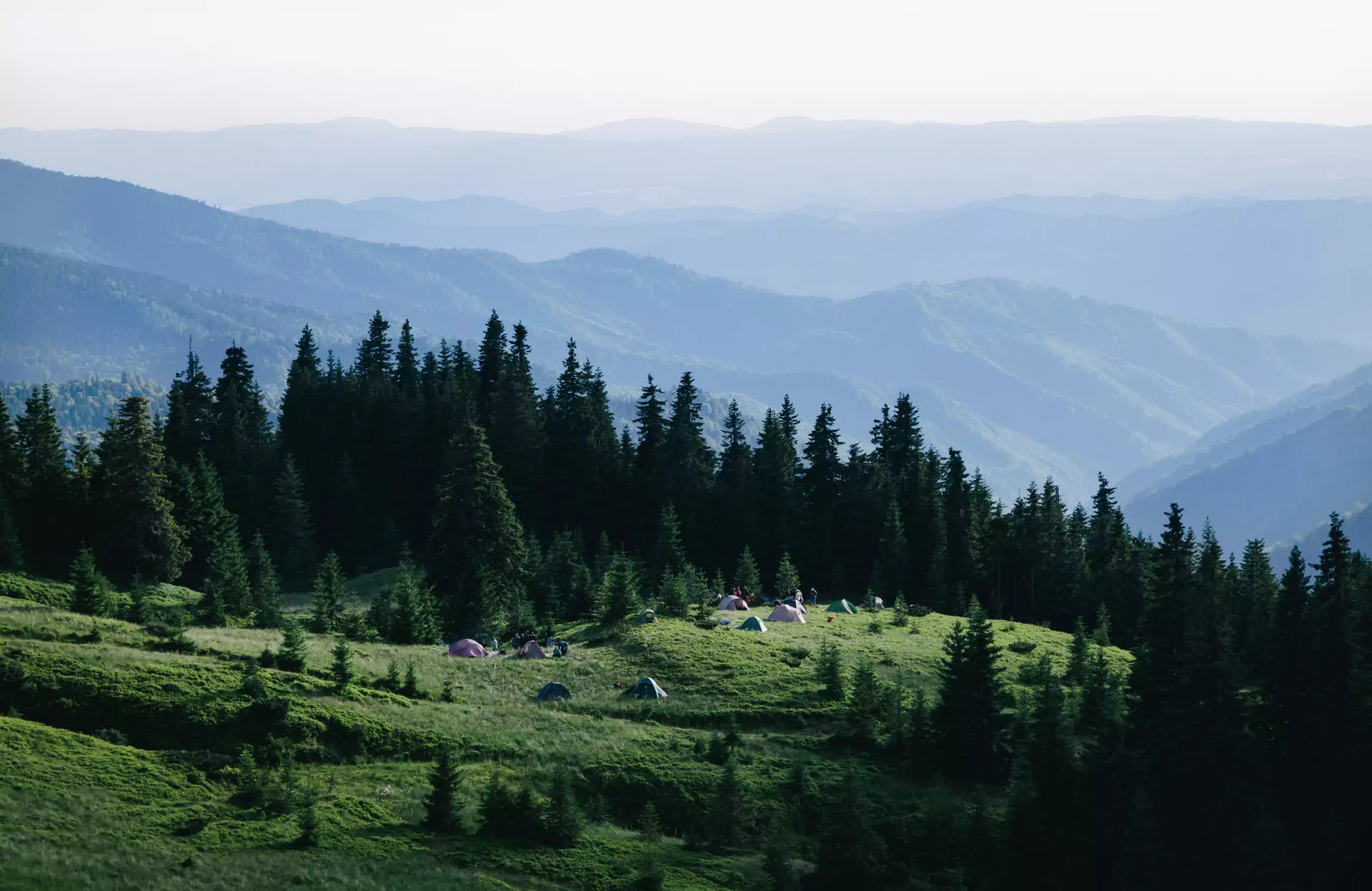
Majestic peaks echo ancient forest whispers

The Carpathian Mountains stretch across several Central and Eastern European countries, forming a rugged spine of forests, peaks and valleys. This range spans from the Czech Republic to Romania, covering parts of Slovakia, Poland, Ukraine and Serbia. The terrain includes high summits like Gerlachov Peak in Slovakia and numerous deep gorges carved by rivers over centuries. Wildlife thrives here with brown bears, wolves and lynx roaming among fir and beech forests. Hiking trails follow ancient paths used for centuries, connecting remote villages where traditions remain strong today.

Mountain Range
Climate zone: Warm continental

Warm continental: Humid continental climates with warm summers, cold winters and evenly distributed precipitation, typical of northern interior mid-latitudes.

See climate table
Price level: $$$
$Cheap
$$Medium
$$$Expensive, upscale
$$$+Very expensive, luxury
See price details
Safety: 6.4
General Safety:7
Health & medical:6
Accessibility:4
Tap water:6
Read details
Tourist English: 3/5
In the Carpathian Mountains, most locals speak basic English, especially near tourist spots and hotels. Outside major towns, communication is limited; learning a few local phrases helps greatly.
Last update: 16 Oct 2026
* We earn a commission from some links on this page.
Carpathian Mountains Summary

These place ratings give you a quick overview of how well a destination matches different types of trips.

‘Best for’ scores:
The specific interest scores show where this place really shines – whether it's ideal for hiking, food & drink experiences, museums or other activities. These highlights help you understand what makes the destination special at a glance.

‘Your personal’ scores:
This reflects how well a place matches your personal preferences. You can adjust the importances of travel topics or other personal requirements categories in your account settings.

‘Suited for’ badges:
These give you a quick overview of how well a destination suits specific types of travellers, to help you find the places that match your lifestyle, preferences or travel situation.

Read how our scores work
Great at towering peaks, rich folk traditions and untamed wildlife. Hikers relish challenging trails, while locals offer warm hospitality in remote villages and stories.
Place score
8.7
Best at:
Forests
10
Mountains
9
Religious sites
9
Traditional culture
9
Castles
9
Personal score
?
Log in to see how this place matches your personal travel interests.
Suited for
👶 7
Families
🧓 5
Seniors
👩 7
Solo
❤️ 7
Couples
Best times to travel

The best times to travel section shows how the months compare for a visit, so you can find the time of year that fits what you want to do.

Background colours of the months:
The colour shows the typical temperature: yellow (hot), green (mild) and blue (cold). How strong the colour is shows the travel season: full colour means high season, soft colour means shoulder season and soft-striped means off season.

Weather symbols:
Each month has one symbol showing what the weather is typically like, such as hot and sunny, freezing or a rainy or snowy season. Use them to quickly spot months that match the weather you want, or to avoid the ones that don't.

Crowdedness:
The people icon shows how busy the place usually is. The more people, the more crowded it gets.

Additional notes:
The grey info boxes point out special things worth knowing, like recurring weather issues or seasonal events.

for Carpathian Mountains
🌨️
Jan
🌨️
Feb
🌨️
Mar
🌤️
Apr
🌦️
May
🌦️
Jun
🌦️
Jul
☀️
Aug
☀️
Sep
🌤️
Oct
🌤️
Nov
🌨️
Dec
High season: Jan. - Feb., July - Sep., Dec.
Shoulder season: March, June, Oct.
Crowdedness: 3 (Few tourists)
Tap on a month for more info Hover over a month for more info
Climate and season vary by area: ski season December to March in resorts such as the Tatras and Poiana Brasov, hiking July to September, towns and castles best May to September
High mountain trails are usually snow-free late June to September; many mountain huts close October to May
High mountain roads such as Romania's Transfagarasan are usually open only July to October

Why travel to Carpathian Mountains?

The Carpathian Mountains stretch across Central and Eastern Europe, forming a natural spine that offers travelers a blend of cultural heritage, ecological diversity and outdoor adventure without the crowds of more famous ranges. The region’s varied landscapes – from dense spruce forests to alpine meadows – support a wide array of wildlife, including wolves, lynx and golden eagles, making it an appealing destination for nature enthusiasts. For those interested in history, the Carpathians are dotted with medieval castles, fortified churches and traditional villages that showcase local crafts and folklore. Many towns preserve their original architecture while offering modern amenities, allowing visitors to experience authentic regional life. The area is also known for its culinary traditions, featuring hearty stews, smoked meats and locally produced cheeses. Outdoor activities are abundant: hiking trails range from gentle walks suitable for families to challenging routes that test seasoned trekkers. Cycling, kayaking on clear mountain rivers and winter sports such as cross‑country skiing and snowshoeing provide year-round options. Guided tours often include educational components about the region’s geology, flora and conservation efforts. Overall, the Carpathian Mountains offer a balanced mix of natural beauty, cultural depth and recreational opportunities that appeal to travelers seeking an immersive yet relaxed experience in Europe’s lesser‑known highlands.

🏯Places worth seeing
  • 1 Carpathian Mountains
🏞️Natural landmarks
  • 1 Carpathian Mountains

Knowledge before you go

  • Pack layered clothing; temperatures vary widely across elevations.
  • Reserve accommodation in nearby villages ahead of peak season, as hotels fill quickly during summer hikes.
  • Carry a reusable water bottle and refill at mountain springs, but verify safety before drinking.
  • Explore lesser-known trails like the Transylvanian Ridge for authentic local culture and fewer crowds.

How to travel to Carpathian Mountains

The Carpathian Mountains span across several Central and Eastern European countries, including Romania, Ukraine, Poland, Slovakia, Hungary and Serbia. Access to this region primarily involves traveling by road or rail through these countries’ national networks. Major airports in cities like Bucharest (Romania), Kraków (Poland) and Bratislava (Slovakia) offer international connections, with domestic flights available to smaller regional hubs. In winter, some mountain passes may require 4x4 vehicles due to snow conditions. Public transportation within the range includes buses and trains linking key towns such as Brașov (Romania) and Zakarpattia (Hungary). Hikers often enter via designated trails like the Făgăraș Mountains in Romania or the High Tatras in Slovakia, where parking areas are available near trailheads.

Access summary

  • From Kraków (KRK): Train to Zakopane, 3–3.5 hours.
  • From Warsaw (WAW): Bus to Zakopane, 4–4.5 hours; or train via Kraków, 6–7 hours.
  • From Bucharest (OTP): Overnight train to Brașov, 5–6 hours.

Where to stay in Carpathian Mountains

The Carpathian region offers a wide spectrum of lodging, from rustic guesthouses and family-run inns to modern eco‑resorts that blend sustainability with comfort. In the high valleys, you’ll find cozy mountain lodges featuring traditional wooden architecture, often equipped with fireplaces and panoramic views of alpine meadows. Small villages host charming bed‑and‑breakfasts where guests can sample local cuisine and enjoy personalized service. For those seeking luxury, boutique hotels in resort towns provide spa facilities, ski‑in/ski‑out access and gourmet dining. Rural homesteads offer authentic farm stays with opportunities to participate in harvesting or animal care, while larger towns feature well-appointed apartments and serviced suites catering to both short and extended visits.

Hotel recommendations

*by rating and popularity. Commissions have no influence on the rankings.
We couldn't find any nearby hotels for now.

How to get around Carpathian Mountains

The Carpathian Mountains offer diverse transportation options for exploring its rugged terrain. The primary method is by car, as well-maintained roads like the E57 and E71 provide access to remote valleys and villages. Renting a vehicle is ideal for flexibility, especially with narrow, winding roads in higher elevations. For public transit, regional buses connect major towns such as Sighetu Marmației (Romania) and Uzhhorod (Ukraine), though schedules may be limited. Trains are sparse but available from cities like Brasov or Lviv to nearby hubs. Hiking trails, such as the Via Carpathia route, cater to adventurers seeking scenic paths, while cable cars in areas like Poiana Brașov offer panoramic views without strenuous travel. Always check seasonal road conditions and local transit updates for safe passage through this mountainous region.
Budget snapshot
Costs compared to home

We calculate the average costs when travelling to destinations and compare those with the living costs at your home. With this you can get an estimate of how expensive or cheap the destination is for you.

To customise this, you can set up which location and price level are used for the calculations in your account settings.

-53 %
Daily expenses in the region are around 53% lower than the average across United States. That means you'll spend a lot less on meals and getting around.
Exchange rate trend

The exchange rate price factor shows how expensive or cheap a currency currently is compared to its historical average. It's a quick way to see if a country is currently more or less affordable due to exchange rate changes.

---
We currently don't have exchange rates for this place

Travel costs (Data for Piatra Neamt, Romania - 67 km away)

To help you plan your trip, we provide estimated daily costs per person (when travelling as a pair) for different travel styles. These numbers give you an idea of what you might spend each day at this destination, including accommodation, food, transport and activities.

Additionally, we also provide average hotel costs for different travel styles to give you an estimate for the accommodation only.

Please note that these are only estimates. The real costs depend on booking times, season and other factors.

Daily cost summary

Travel style categories explained:

Backpacker:
Staying in hostels or budget hotels, cooking your own meals or eating cheap and choosing low-cost activities.

Mid-range:
Staying in mid-range hotels, eating at a mix of restaurants and casual spots and enjoying a variety of activities.

Luxury:
Staying in luxury hotels, dining out at high-end restaurants and enjoying premium experiences without worrying about the price.

Backpacker Mid-range Luxury
💵 Total costs per day, including accommodation
£34
£72
£186
🏨 Accommodation per night, per person
£14
£32
£79
🍝 Food per day
£17
£36
£96
🚕 Transportation per day
£3
£4
£11
Food & Drink
🍽️ Restaurant Dinner, per person
£14
🍛 Lunch Set, per person
£8
🍟 Fast food combo
£6
🍝 Preparing your own food, per day
£5.50
☕ Cappuccino
£2
🍺 Beer in a restaurant, 0.5 l
£1.80
Transportation
🚌 Public transport ticket
£0.50
🚕 Taxi Ride, 10 km / 6 mi
£6.50
⛽ Petrol, 1 l
£1.20
Other
🎞️ Cinema ticket
£4.90
👩‍⚕️ Doctor's consult
£26
🤧 Cold medication
£6
💇 Basic haircut
£4.40

Safety information overview

General safety
7
The Carpathian Mountains offer a safe travel experience, with low crime rates and well‑maintained trails. Visitors should stay on marked paths, keep valuables secure and respect local wildlife. Emergency services are readily available in most popular resorts, ensuring peace of mind.
Health & Medical
6
The Carpathians offer excellent medical care, with well‑equipped regional hospitals and experienced specialists in orthopedics and sports medicine. Clean mountain air reduces respiratory risks, but travelers should watch for altitude sickness, insect bites and limited emergency services in remote valleys.
Accessi­bility
4
The Carpathians offer mixed accessibility: well‑maintained roads and modern cable cars reach many peaks, yet remote trails remain rugged with limited public transport. Wheelchair users should plan ahead for uneven paths, while guided tours can improve access to summits.
Tap water
6
Tap water in the Carpathian Mountains is excellent – clean, naturally filtered by limestone and volcanic soils and freely available at most towns and villages. Public fountains and municipal supplies are reliable, making hydration convenient for hikers and locals alike.

Looking for inspiration?

Discover
Best travel destinations for food allergies
Travelling with a food allergy adds a layer of planning most people never have to think about and the right destination can make that planning a lot easier. Some travellers…
Read more
Discover
Top digital nomad destinations and remote work hubs in 2026
Working from anywhere in the world sounds simple until you actually try it and the best digital nomad destinations look different depending on what kind of remote worker you are.…
Read more
Discover
Best couple holiday destinations
Travelling as a couple sounds simple enough, yet the best couple holiday destinations mean something different to almost every pair. What feels romantic to one couple can feel like…
Read more
Discover
Best destinations for first-time travellers
A first trip abroad works best somewhere that eases you in, rather than throwing every possible culture shock and logistical headache at you at once. Some first-time travellers…
Read more
Discover
Best travel destinations for seniors
Senior travel covers a wide range, from slow, low effort trips built around comfort to more independent trips for travellers who still want to cover plenty of ground. Some…
Read more
Discover
Most beautiful beaches and coastal escapes
For a lot of people, a beach is the whole point of a holiday, but what makes a beach day perfect really depends on personal taste. Some travellers want isolation and the feeling…
Read more
Discover
Stunning national parks and wilderness areas
National parks exist because someone decided that certain landscapes were too important to lose. The best of them protect ecosystems, wildlife and natural processes that would…
Read more
Discover
Intimate escapes and romantic getaways
The most memorable trips for couples tend to have less to do with luxury and more to do with the quality of shared experience. A place that slows you down, removes the usual…
Read more
Was this page helpful?
Feedback