











Was this page helpful?

These place ratings give you a quick overview of how well a destination matches different types of trips.
‘Best for’ scores:
The specific interest scores show where this place really shines – whether it's ideal for hiking, food & drink experiences, museums or other activities. These highlights help you understand what makes the destination special at a glance.
‘Your personal’ scores:
This reflects how well a place matches your personal preferences. You can adjust the importances of travel topics or other personal requirements categories in your account settings.
‘Suited for’ badges:
These give you a quick overview of how well a destination suits specific types of travellers, to help you find the places that match your lifestyle, preferences or travel situation.
| Power Grid: |
220 V, 60 Hz Plug: Type C , Type F
Type C:
  Read about power adapters |
|---|---|
| Currency: |
South Korean Won (KRW) £1 ≈ ₩1,766 |
| Cashless info: |
Rating 5/5
Cashless payments are widely accepted in South Korea. Credit cards are commonly used in most establishments, including smaller businesses.
Save with a travel credit card |
| eSIM providers: |
Best value: Saily Flexibility: Airalo Read our in-depth comparison |
| Tipping: | Tipping is not customary in South Korea. However, small tips are appreciated in hotels and for exceptional service. |
|---|---|
| Public drinking: | Public drinking is allowed in South Korea, though drinking in public spaces like parks and streets may attract attention. Alcohol is also served in many convenience stores. |
| Public smoking: | Smoking is prohibited in indoor public spaces, but designated smoking areas are available in some outdoor locations. |
| Seollal (January/February) |
Celebrated in January or February with family gatherings |
|---|---|
| Chuseok (September/October) |
Celebrated in September or October |
| Emergency contact: | Emergency Numbers: 112 (Police), 119 (Fire, Ambulance) |
|---|---|
| Taxi apps: | Kakao T, T Map Taxi |
| Other: | South Korea offers a blend of traditional culture and modern technology, with historical sites, vibrant cities, and stunning landscapes. |
The best times to travel section shows how the months compare for a visit, so you can find the time of year that fits what you want to do.
Background colours of the months:
The colour shows the typical temperature: yellow (hot), green (mild) and blue (cold). How strong the colour is shows the travel season: full colour means high season, soft colour means shoulder season and soft-striped means off season.
Weather symbols:
Each month has one symbol showing what the weather is typically like, such as hot and sunny, freezing or a rainy or snowy season. Use them to quickly spot months that match the weather you want, or to avoid the ones that don't.
Crowdedness:
The people icon shows how busy the place usually is. The more people, the more crowded it gets.
Additional notes:
The grey info boxes point out special things worth knowing, like recurring weather issues or seasonal events.
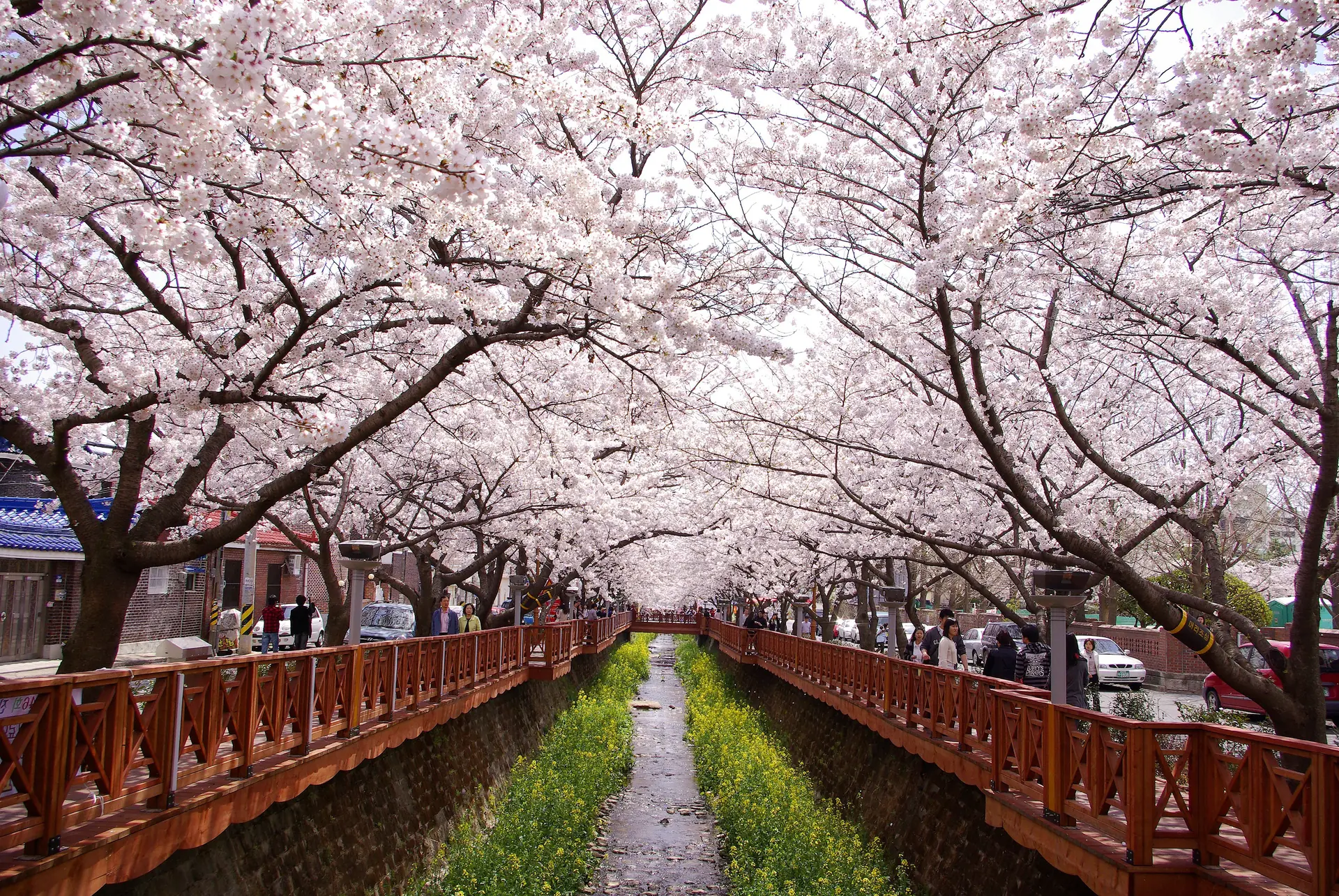
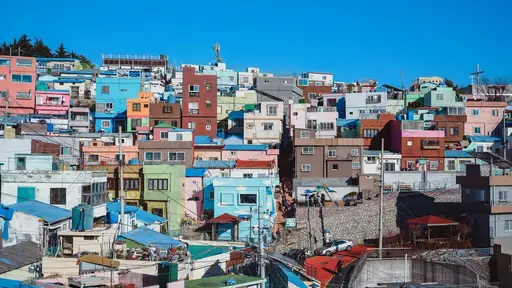
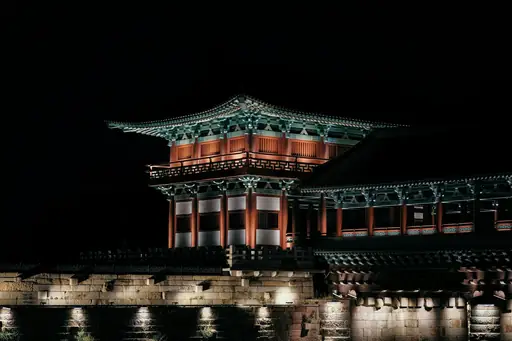
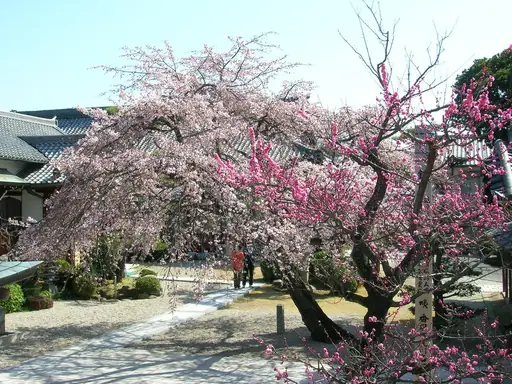
Jinhae is a coastal district in South Korea known for its military history and natural beauty. The area includes Jinhae Fortress a site that played a key role during the Korean War. Visitors can explore preserved walls and museums that explain past conflicts. The city also features parks with pine trees and ocean views creating calm spaces for locals and tourists alike.
The Nampodong Market provides a glimpse into daily life here. Stalls sell fresh seafood pickled vegetables and handmade crafts. Food vendors prepare dishes like grilled squid and rice cakes using local ingredients. Walking through the market reveals how residents connect with traditions while adapting to modern trends.
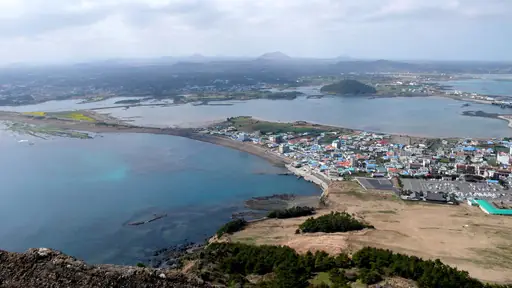
Nature enthusiasts find plenty in Jinhae’s surroundings. Haeundae Beach stretches along the coast with soft sand and clear water during summer months. Hiking trails lead into nearby hills where wildflowers bloom each spring. The combination of beach activities and mountain walks makes outdoor time accessible year-round.
Cultural events shape Jinhae’s identity throughout the year. The Jinhae Red Cross Festival celebrates community spirit with parades performances and charity drives. Art installations pop up in public spaces featuring local artists’ work. These gatherings highlight how history creativity and practicality coexist in everyday life here.
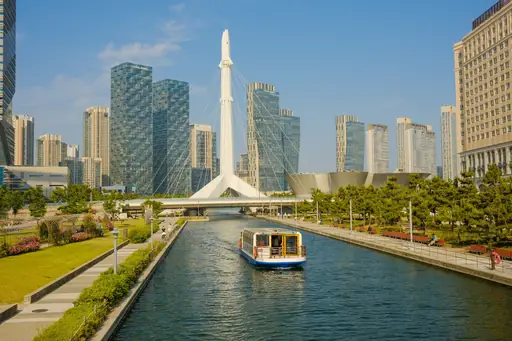
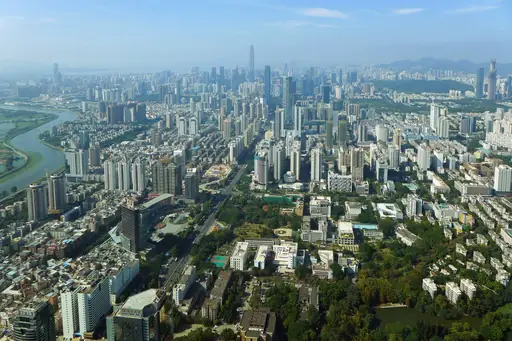
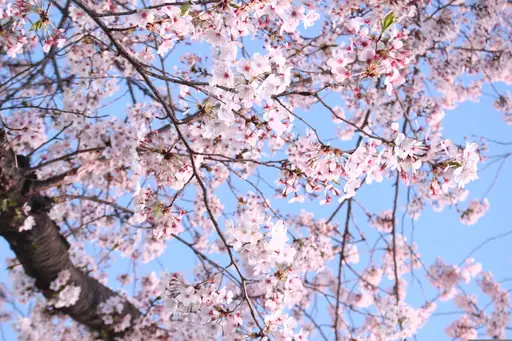
Jinhae is a coastal district in the city of Changwon that offers a blend of natural beauty, cultural heritage and modern amenities. The area is best known for its annual Flower Festival, where thousands of rose‑blooming trees line the streets, creating an inviting atmosphere for leisurely strolls and photography. Even outside festival season, the waterfront promenade provides scenic views of the sea and the nearby Jinhae Bay Bridge, making it a pleasant spot for evening walks. The district’s history is reflected in its well-preserved colonial architecture and the historic Jinhae Naval Base, which hosts maritime museums that showcase Korea’s naval development. Visitors can explore these sites to gain insight into the region’s strategic importance and cultural evolution. For those interested in local cuisine, Jinhae offers a variety of seafood restaurants where fresh catches are prepared with simple seasonings, allowing travelers to taste authentic flavors without overwhelming spices. Accommodation ranges from boutique hotels near the waterfront to budget-friendly guesthouses, ensuring options for different travel styles. Public transportation is efficient, with frequent buses and a nearby train station that connects Jinhae to larger cities such as Busan and Seoul. The district’s relaxed pace, combined with its natural scenery and historical sites, makes it an appealing destination for travelers seeking both relaxation and cultural enrichment.
Jinhae, a district in South Korea’s Busan metropolitan area, is accessible via multiple transportation networks. The city is served by Busan Metro Line 1 and Line 2, with Jinhae Station acting as a central hub connecting to major lines like the Gyeongjeon and Jungangno Lines. Travelers can reach Jinhae from Busan’s Gimhae International Airport using the Busan Metro Line 1 or intercity buses departing from Busan Station. The district is also connected by expressways, allowing private vehicles or rental cars to access it directly. Seasonal ferry services operate between Jinhae Port and nearby islands like Geojedo, offering an alternative route. Public buses and taxis provide local connectivity within the district.
Jinhae offers a mix of boutique guesthouses, mid‑range business hotels and luxury serviced apartments that cater to both short stays and longer visits. The downtown area features compact, well‑furnished rooms with modern amenities, typically priced between ₩70,000 – 120,000 (£39.43 – 67.59) per night, ideal for travelers on a budget yet seeking convenience. Near the harbor, you’ll find family‑run inns offering traditional Korean décor and home‑cooked meals, usually around ₩90,000 – 150,000 (£50.69 – 84.49). For those desiring higher comfort, upscale hotels with panoramic sea views provide spa services, fitness centers and dining options, ranging from ₩200,000 (£112.65) to over ₩350,000 (£197.15) per night. Jinhae is renowned for its “flower‑themed” accommodations during the annual naval base flower festival, where many establishments decorate rooms with local blooms and offer themed packages.
We calculate the average costs when travelling to destinations and compare those with the living costs at your home. With this you can get an estimate of how expensive or cheap the destination is for you.
To customise this, you can set up which location and price level are used for the calculations in your account settings.
The exchange rate price factor shows how expensive or cheap a currency currently is compared to its historical average. It's a quick way to see if a country is currently more or less affordable due to exchange rate changes.
To help you plan your trip, we provide estimated daily costs per person (when travelling as a pair) for different travel styles. These numbers give you an idea of what you might spend each day at this destination, including accommodation, food, transport and activities.
Additionally, we also provide average hotel costs for different travel styles to give you an estimate for the accommodation only.
Please note that these are only estimates. The real costs depend on booking times, season and other factors.
Travel style categories explained:
Backpacker:
Staying in hostels or budget hotels, cooking your own meals or eating cheap and choosing low-cost activities.
Mid-range:
Staying in mid-range hotels, eating at a mix of restaurants and casual spots and enjoying a variety of activities.
Luxury:
Staying in luxury hotels, dining out at high-end restaurants and enjoying premium experiences without worrying about the price.
| Backpacker | Mid-range | Luxury | |
|---|---|---|---|
| 💵 Total costs per day, including accommodation | |||
| 🏨 Accommodation per night, per person | |||
| 🍝 Food per day | |||
| 🚕 Transportation per day |
| 🍽️ Restaurant Dinner, per person | |
|---|---|
| 🍛 Lunch Set, per person | |
| 🍟 Fast food combo | |
| 🍝 Preparing your own food, per day | |
| ☕ Cappuccino | |
| 🍺 Beer in a restaurant, 0.5 l |
| 🚌 Public transport ticket | |
|---|---|
| 🚕 Taxi Ride, 10 km / 6 mi | |
| ⛽ Petrol, 1 l |
| 🎞️ Cinema ticket | |
|---|---|
| 👩⚕️ Doctor's consult | |
| 🤧 Cold medication | |
| 💇 Basic haircut |
Log in to add this place to a travel list and get a summary of all recommended items for your whole trip.
