






Was this page helpful?

| Power Grid: |
220 V, 50 Hz Plug: Type C , Type F
Type C:
  Read about power adapters |
|---|---|
| Currency: |
Russian Rouble (RUB) £1 ≈ RUB 96.93 |
| Cashless info: |
Rating 4/5
Cashless payments are widely accepted in Russia, especially in cities like Moscow and St. Petersburg.
Save with a travel credit card |
| eSIM providers: | We cannot recommend an eSIM provider for this country. We advise getting a local SIM card. |
| Tipping: | Tipping is not mandatory in Russia, but a 10% tip is appreciated in restaurants. Small tips for taxi drivers and hotel staff are also common. |
|---|---|
| Public drinking: | Public drinking is prohibited in many areas, particularly in public transport and on streets in larger cities. |
| Public smoking: | Smoking is prohibited in indoor public spaces, including restaurants and public transport. |
| Emergency contact: | Emergency Number: 112 (Police, Fire, Ambulance) |
|---|---|
| Taxi apps: | Yandex Taxi, Uber |
| Other: | Russia offers a wide range of experiences, from its rich cultural history to diverse landscapes, including the Kremlin and Siberian wilderness. |
The best times to travel section shows how the months compare for a visit, so you can find the time of year that fits what you want to do.
Background colours of the months:
The colour shows the typical temperature: yellow (hot), green (mild) and blue (cold). How strong the colour is shows the travel season: full colour means high season, soft colour means shoulder season and soft-striped means off season.
Weather symbols:
Each month has one symbol showing what the weather is typically like, such as hot and sunny, freezing or a rainy or snowy season. Use them to quickly spot months that match the weather you want, or to avoid the ones that don't.
Crowdedness:
The people icon shows how busy the place usually is. The more people, the more crowded it gets.
Additional notes:
The grey info boxes point out special things worth knowing, like recurring weather issues or seasonal events.
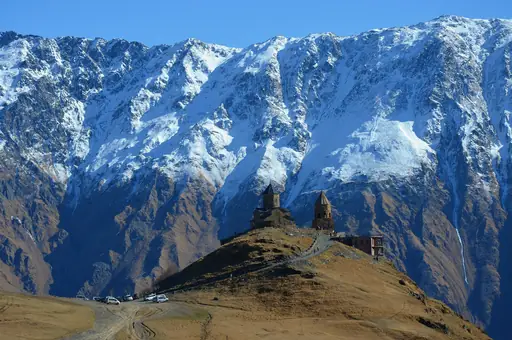
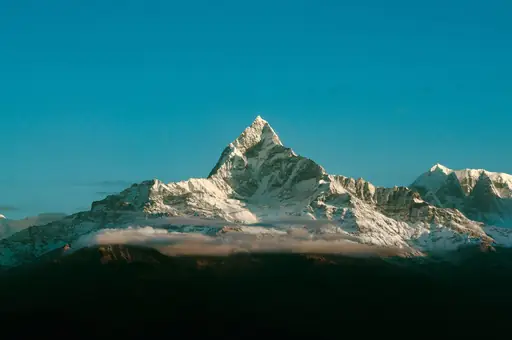
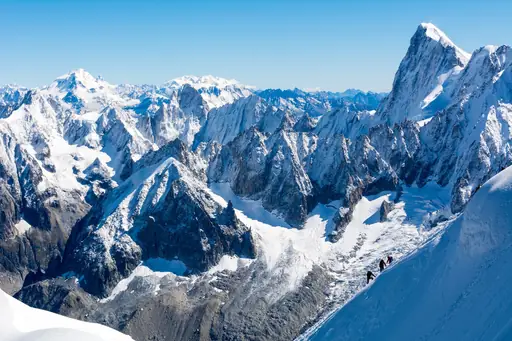
Mount Elbrus stands as Europe’s highest peak at 5,642 meters above sea level. Located in the Caucasus Mountains of southern Russia this mountain draws adventurers from around the world. Its snow-capped summit is visible for miles and serves as a reminder of nature’s raw power.
The terrain surrounding Elbrus includes glaciers that move slowly over rocky ground. In summer months the ice melts enough to allow hikers to follow marked trails toward base camps. Weather changes quickly here so preparation matters. Many travelers bring layers because temperatures drop sharply even in midsummer.
Climbing Elbrus requires planning and respect for conditions on the mountain. Routes are well defined but altitude sickness can affect anyone unprepared. Guides often recommend acclimatization days before attempting higher sections. The ascent tests endurance and rewards those who move at a steady pace.
Beyond climbing Elbrus offers views of deep valleys and distant peaks that stretch toward the horizon. Wildlife includes birds adapted to thin air and hardy mammals near lower slopes. Local villages provide simple lodging and meals for visitors seeking rest after long days on the trail. The experience leaves many with a sense of achievement without needing extra hype.
Mount Elbrus, the highest peak in Europe at 5,642 meters, is located in the Caucasus Mountains of Russia. Access to the mountain begins from the town of Cherkessk or Nalchik, both situated approximately 150 kilometers away. The most common route involves driving along the A186 highway toward the village of Terskey, followed by a trek through alpine meadows and rocky terrain. Vehicles can reach the base camp at around 3,000 meters, after which hikers proceed on foot. Winter conditions require specialized gear, while summer months offer more stable weather for ascent. The mountain is accessible year-round but demands physical preparation and proper equipment due to its elevation and variable climate.
Mount Elbrus attracts climbers and nature lovers alike, so accommodation ranges from rustic mountain lodges to upscale resorts. In the nearby village of Gergebil, you’ll find traditional guesthouses offering hearty local cuisine and cozy rooms with panoramic views – ideal for budget travelers seeking an authentic experience. For those desiring more comfort, the surrounding area hosts a handful of boutique hotels that blend modern amenities with rustic décor, often featuring spa services and hot tubs overlooking the snow‑capped peak. Luxury seekers can opt for high‑end chalets or private villas in the foothills, many equipped with panoramic terraces, gourmet kitchens and personalized concierge service. Seasonal campsites also exist for adventurous trekkers who prefer to camp under the stars.
Log in to add this place to a travel list and get a summary of all recommended items for your whole trip.
We calculate the average costs when travelling to destinations and compare those with the living costs at your home. With this you can get an estimate of how expensive or cheap the destination is for you.
To customise this, you can set up which location and price level are used for the calculations in your account settings.
The exchange rate price factor shows how expensive or cheap a currency currently is compared to its historical average. It's a quick way to see if a country is currently more or less affordable due to exchange rate changes.
