










Was this page helpful?

These place ratings give you a quick overview of how well a destination matches different types of trips.
‘Best for’ scores:
The specific interest scores show where this place really shines – whether it's ideal for hiking, food & drink experiences, museums or other activities. These highlights help you understand what makes the destination special at a glance.
‘Your personal’ scores:
This reflects how well a place matches your personal preferences. You can adjust the importances of travel topics or other personal requirements categories in your account settings.
‘Suited for’ badges:
These give you a quick overview of how well a destination suits specific types of travellers, to help you find the places that match your lifestyle, preferences or travel situation.
| Power Grid: |
230 V, 50 Hz Plug: Type C , Type D
Type C:
  Read about power adapters |
|---|---|
| Currency: |
Myanmar Kyat (MMK) £1 ≈ MMK 2,795 |
| Cashless info: |
Rating 2/5
Cashless payments are not widely accepted in Myanmar, and cash is preferred in most places. However, credit cards are accepted in larger hotels and tourist areas.
Save with a travel credit card |
| eSIM providers: | We cannot recommend an eSIM provider for this country. We advise getting a local SIM card. |
| Tipping: | Tipping is appreciated in Myanmar, with 5-10% being the usual amount in restaurants. Taxi drivers expect small tips, and hotel staff may be tipped a few kyats for their service. |
|---|---|
| Public drinking: | Public drinking is not common in Myanmar, and alcohol consumption is generally restricted to licensed venues. |
| Public smoking: | Smoking is allowed in designated areas, but it may be restricted in certain public places and enclosed spaces. |
| Thingyan (April) |
Myanmar New Year Festival, celebrated with water fights and various cultural events |
|---|
| Emergency contact: | Emergency Number: 199 (Police), 192 (Ambulance) |
|---|---|
| Taxi apps: | Grab |
| Other: | Myanmar offers rich cultural and historical experiences but is best visited with caution due to ongoing political and safety concerns. |
The best times to travel section shows how the months compare for a visit, so you can find the time of year that fits what you want to do.
Background colours of the months:
The colour shows the typical temperature: yellow (hot), green (mild) and blue (cold). How strong the colour is shows the travel season: full colour means high season, soft colour means shoulder season and soft-striped means off season.
Weather symbols:
Each month has one symbol showing what the weather is typically like, such as hot and sunny, freezing or a rainy or snowy season. Use them to quickly spot months that match the weather you want, or to avoid the ones that don't.
Crowdedness:
The people icon shows how busy the place usually is. The more people, the more crowded it gets.
Additional notes:
The grey info boxes point out special things worth knowing, like recurring weather issues or seasonal events.
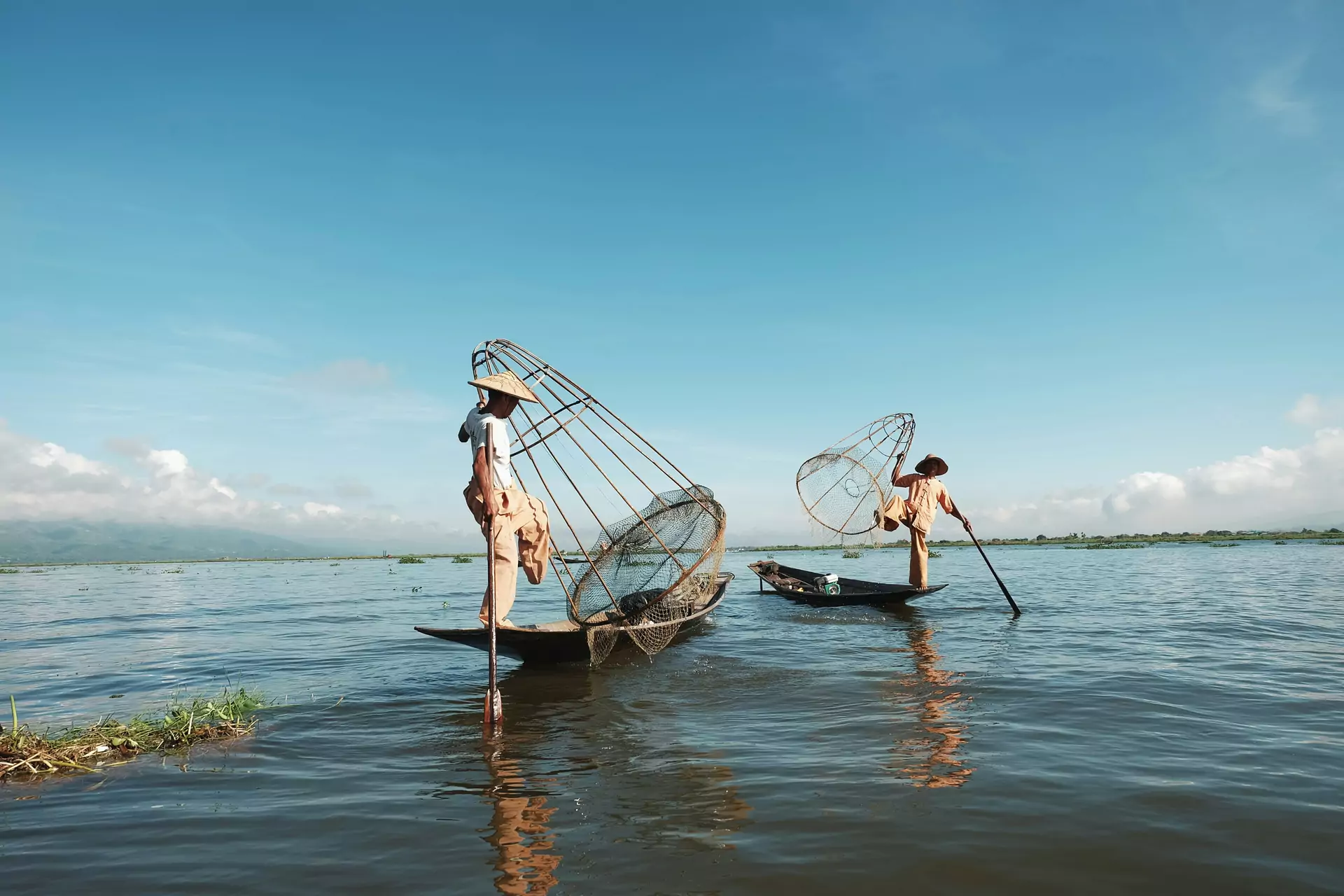
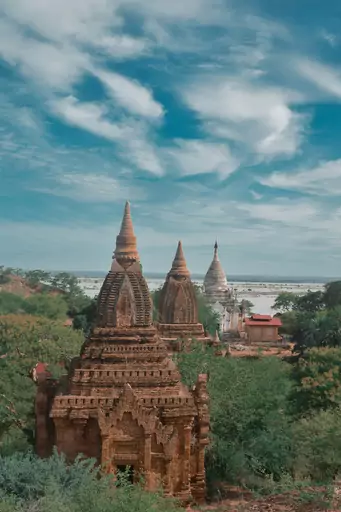
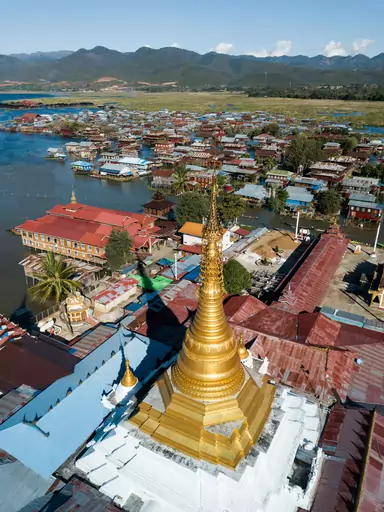
Inle Lake, located in the Shan State of eastern Myanmar, offers a quiet retreat that blends natural beauty with cultural insight. The lake’s shallow waters are famous for their floating gardens and stilt houses, where local farmers grow rice, vegetables and orchids on bamboo platforms. Visitors can observe this unique agricultural practice up close, learning how communities adapt to the seasonal floods. A boat tour around the lake provides a gentle introduction to the region’s history. The town of Inle sits at one end, with its market stalls selling handmade textiles, lacquerware and fresh fish caught from the lake itself. Nearby temples, such as the 12‑storey Shwe Dagon Pagoda, showcase traditional Burmese architecture and offer quiet spaces for reflection. For those interested in wildlife, the surrounding wetlands are home to a variety of bird species, including herons, egrets and the rare white-winged duck. Guided walks through the nearby hills reveal limestone caves and ancient pagodas hidden among the forest. Travelers can stay in modest guesthouses or eco‑lodges that emphasize sustainability, allowing them to experience local hospitality while minimizing environmental impact. The combination of serene scenery, living traditions and accessible wildlife makes Inle Lake a worthwhile destination for thoughtful exploration.
Inle Lake, located in Shan State, Myanmar, is accessible primarily by boat due to its extensive waterways and floating villages. The main entry point is through Inle Airport (INL), situated about 45 kilometers away, which connects to Nyaungshwe town via road. From Nyaungshwe, visitors can take local boats or motorboats to reach the lake’s shores. During dry seasons, overland routes via dirt roads are passable by car or motorbike, though conditions may vary seasonally. The lake’s unique ecosystem and cultural sites attract travelers seeking immersive experiences in traditional Burmese village life. Access requires navigating rural infrastructure, with local transport options including bicycles, trishaws or shared boats for short distances within the lake area.
Inle Lake offers a range of accommodations from modest homestays to boutique resorts, catering to both budget travelers and those seeking luxury. Traditional wooden bungalows perched on stilts provide an authentic experience, often featuring local décor and communal kitchens that allow guests to mingle with residents. Mid‑range hotels combine modern amenities – air conditioning, Wi‑fi and private balconies overlooking the lake – with a touch of Burmese hospitality. For discerning visitors, upscale resorts offer spa services, fine dining and panoramic views of the floating gardens. Many lodgings emphasize eco‑friendly practices, using solar power and waste recycling to preserve the fragile ecosystem. The area is renowned for its homestay culture, giving travelers an intimate glimpse into Inle’s unique way of life.
We calculate the average costs when travelling to destinations and compare those with the living costs at your home. With this you can get an estimate of how expensive or cheap the destination is for you.
To customise this, you can set up which location and price level are used for the calculations in your account settings.
The exchange rate price factor shows how expensive or cheap a currency currently is compared to its historical average. It's a quick way to see if a country is currently more or less affordable due to exchange rate changes.
To help you plan your trip, we provide estimated daily costs per person (when travelling as a pair) for different travel styles. These numbers give you an idea of what you might spend each day at this destination, including accommodation, food, transport and activities.
Additionally, we also provide average hotel costs for different travel styles to give you an estimate for the accommodation only.
Please note that these are only estimates. The real costs depend on booking times, season and other factors.
Travel style categories explained:
Backpacker:
Staying in hostels or budget hotels, cooking your own meals or eating cheap and choosing low-cost activities.
Mid-range:
Staying in mid-range hotels, eating at a mix of restaurants and casual spots and enjoying a variety of activities.
Luxury:
Staying in luxury hotels, dining out at high-end restaurants and enjoying premium experiences without worrying about the price.
| Backpacker | Mid-range | Luxury | |
|---|---|---|---|
| 💵 Total costs per day, including accommodation | |||
| 🏨 Accommodation per night, per person | |||
| 🍝 Food per day | |||
| 🚕 Transportation per day |
| 🍽️ Restaurant Dinner, per person | |
|---|---|
| 🍛 Lunch Set, per person | |
| 🍟 Fast food combo | |
| 🍝 Preparing your own food, per day | |
| ☕ Cappuccino | |
| 🍺 Beer in a restaurant, 0.5 l |
| 🚌 Public transport ticket | |
|---|---|
| 🚕 Taxi Ride, 10 km / 6 mi | |
| ⛽ Petrol, 1 l |
| 🎞️ Cinema ticket | |
|---|---|
| 👩⚕️ Doctor's consult | |
| 🤧 Cold medication | |
| 💇 Basic haircut |
Log in to add this place to a travel list and get a summary of all recommended items for your whole trip.
