




Asia › Japan › Yamagata

Yamagata

Scroll
Tohoku castle town near Yamadera and Zao

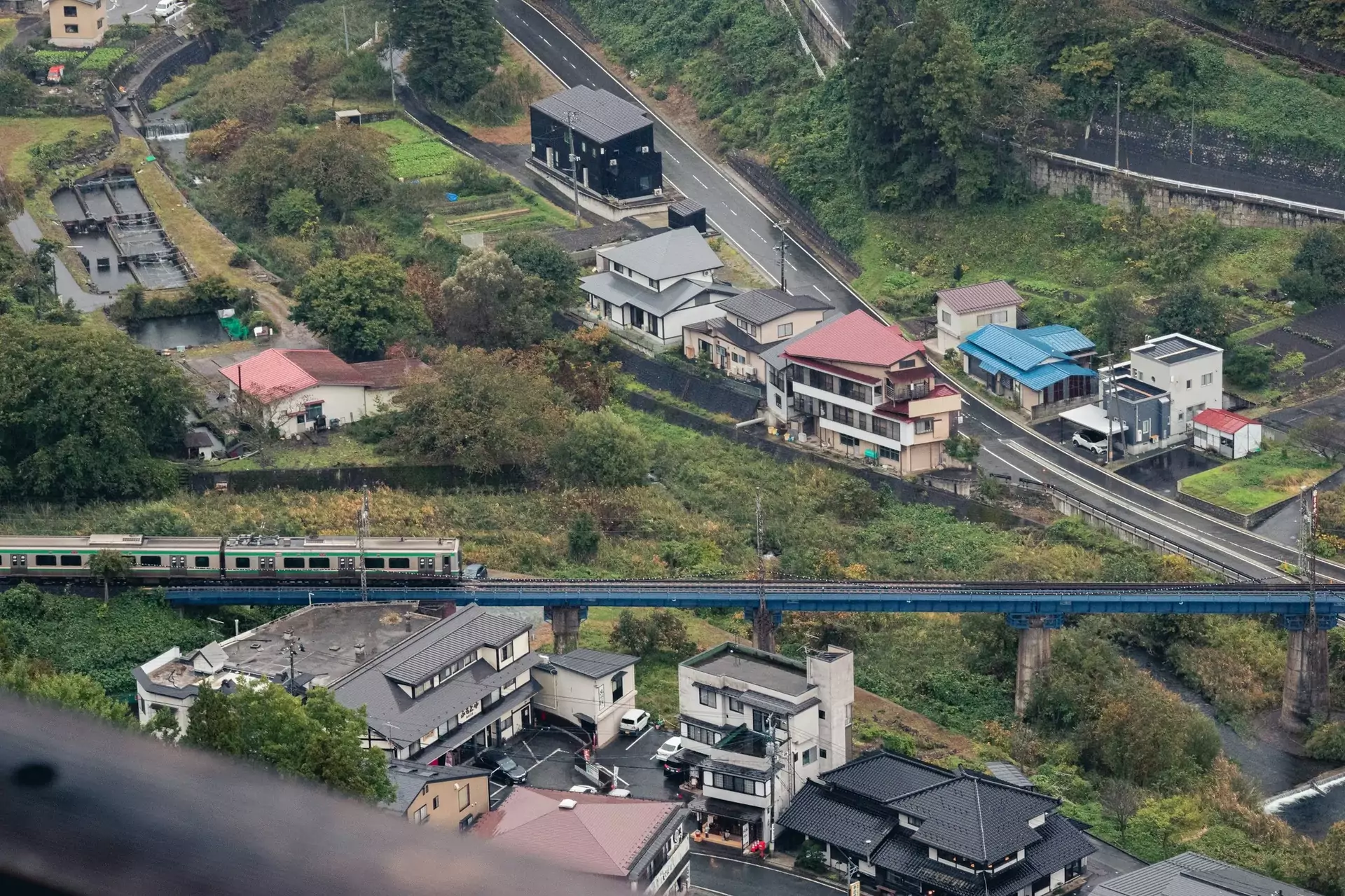
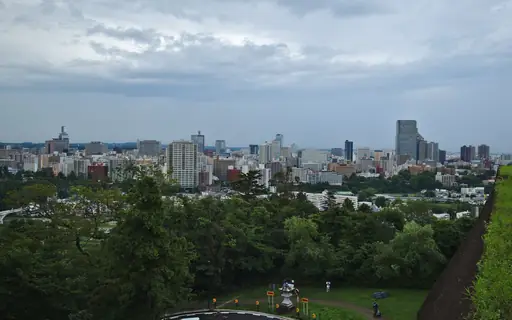
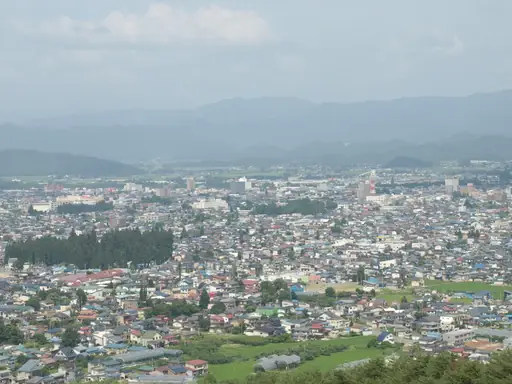
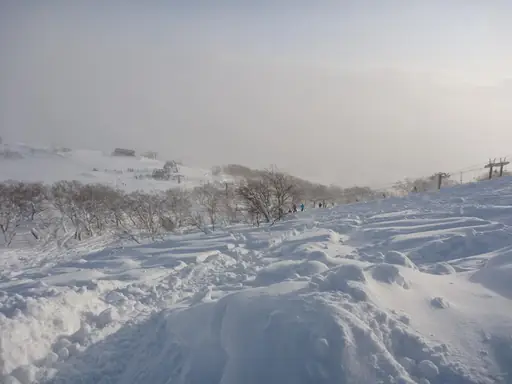
Yamagata is the capital of Yamagata Prefecture and is in a basin in the Tohoku region, built around the ruins of a castle expanded by the lord Mogami Yoshiaki. Its Kajo Park has restored gates, moat and stone walls and is a popular cherry blossom spot. Nearby you can visit the red brick Bunshokan, a former prefectural office. The Senzan Line goes to the mountain temple of Yamadera in about 20 minutes. Zao Onsen, known for its frost-covered trees in winter, is a short drive up the mountain. Yamagata works as a base for day trips to the mountains and temples around it.

City in Japan
Climate zone: Humid subtropical

Humid subtropical: Warm temperate climates with hot, humid summers, mild winters and evenly distributed rainfall, common on eastern continental margins.

See climate table
Price level: $$$
$Cheap
$$Medium
$$$Expensive, upscale
$$$+Very expensive, luxury
See price details
Safety: 8.5
General Safety:9
Health & medical:8
Accessibility:6
Tap water:9
Read details
Tourist English: 2/5
English is spoken at some hotels and tourist centres, but less so in shops and restaurants. Signage is improving, but a translation app and basic Japanese phrases are helpful.
Last update: 20 Oct 2026
* We earn a commission from some links on this page.
Yamagata Summary

These place ratings give you a quick overview of how well a destination matches different types of trips.

‘Best for’ scores:
The specific interest scores show where this place really shines – whether it's ideal for hiking, food & drink experiences, museums or other activities. These highlights help you understand what makes the destination special at a glance.

‘Your personal’ scores:
This reflects how well a place matches your personal preferences. You can adjust the importances of travel topics or other personal requirements categories in your account settings.

‘Suited for’ badges:
These give you a quick overview of how well a destination suits specific types of travellers, to help you find the places that match your lifestyle, preferences or travel situation.

Read how our scores work
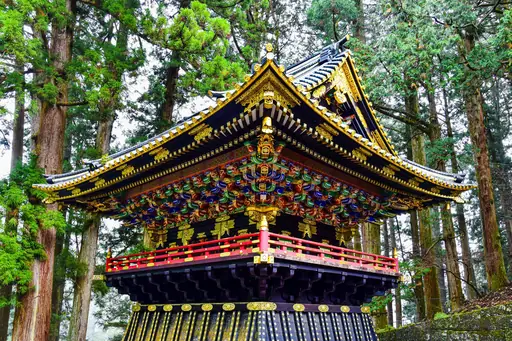
Great for mountain temples and winter scenery. Climb temple steps in forested hills, ski snowy slopes, relax in hot springs and enjoy seasonal festivals.
Place score
7.4
Best at:
Snow
9
Spotless
9
Religious sites
9
Hot springs
9
Mountains
8
Personal score
?
Log in to see how this place matches your personal travel interests.
Suited for
👶 7
Families
🧓 7
Seniors
👩 7
Solo
❤️ 7
Couples
Japan – Quick facts
Power Grid: 100 V, 50 Hz
Plug: Type A
Type A:
Diagram of a Type A power plug

Read about power adapters
Currency: Japanese Yen (JPY)
£1 ≈ JP¥210
Cashless info: Rating 4/5
Cashless payments are becoming more common, especially in cities, with some shops still preferring cash. Be prepared for occasional cash-only situations in rural areas.

Save with a travel credit card
eSIM providers: Best value: Saily
Flexibility: Airalo
Read our in-depth comparison
Tipping: Tipping is not customary in Japan and can be considered rude. Excellent service is the norm, and tipping is unnecessary in most places.
Public drinking: Public drinking is legal and commonly accepted, particularly during festivals and events.
Public smoking: Smoking is prohibited in indoor public places but allowed in designated outdoor areas. Some restaurants may have smoking sections.
New Year
(January)
One of the most important holidays, expect crowded temples and high prices. Plan ahead.
Golden Week
(April-May)
The busiest travel time, expect high demand for accommodation and transport.
Obon
(August)
A time to honour ancestors, many businesses close, and transport can be crowded.
Emergency contact: Emergency Number: 110 (Police), 119 (Fire & Ambulance)
Taxi apps: Uber, JapanTaxi, DiDi
Other: Japan is a country of respect, so understanding local customs and etiquette is important. Public transport is efficient, but can be crowded during peak hours.
Best times to travel

The best times to travel section shows how the months compare for a visit, so you can find the time of year that fits what you want to do.

Background colours of the months:
The colour shows the typical temperature: yellow (hot), green (mild) and blue (cold). How strong the colour is shows the travel season: full colour means high season, soft colour means shoulder season and soft-striped means off season.

Weather symbols:
Each month has one symbol showing what the weather is typically like, such as hot and sunny, freezing or a rainy or snowy season. Use them to quickly spot months that match the weather you want, or to avoid the ones that don't.

Crowdedness:
The people icon shows how busy the place usually is. The more people, the more crowded it gets.

Additional notes:
The grey info boxes point out special things worth knowing, like recurring weather issues or seasonal events.

for Yamagata, Japan
🌨️
Jan
🌨️
Feb
🌨️
Mar
🌤️
Apr
🌤️
May
🌦️
Jun
🌦️
Jul
🌦️
Aug
🌦️
Sep
🌦️
Oct
🌦️
Nov
🌨️
Dec
High season: Jan. - Feb., Aug., Oct.
Shoulder season: March - July, Sep., Dec.
Crowdedness: 3 (Few tourists)
Tap on a month for more info Hover over a month for more info
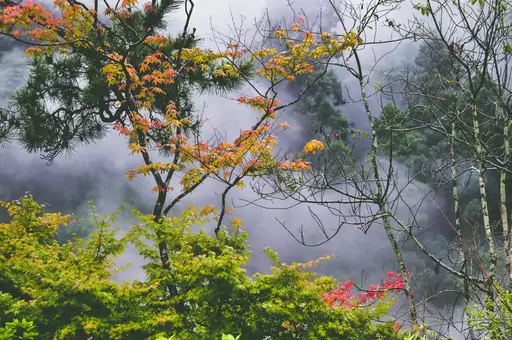
Zao snow monsters (frost-covered trees) are best from late January to late February
Zao Echo Line mountain road is closed in winter, usually November to mid-April
Hanagasa Festival in Yamagata city, August 5 to 7: book accommodation ahead

Why travel to Yamagata?

Yamagata is worth a stop for how much is within reach of one station. Yamadera, a mountain temple, is about 20 minutes away on the Senzan Line. You climb 1,015 stone steps through a cedar grove past oddly shaped rocks. The climb takes about an hour. The poet Matsuo Basho wrote a well-known haiku there. In the city itself, Kajo Park is on the ruins of Yamagata Castle with restored gates, a moat and stone walls. It's a popular cherry blossom spot in spring. Bunshokan, the former prefectural office, is a red brick building with a clock tower that still keeps time. Beni no Kura is a set of storehouses that belonged to safflower merchants and now has restaurants, a farmers market and souvenir shops. Zao Onsen is roughly 40 minutes by car from the station and is one of Japan's most acidic hot springs. In winter the fir trees on the mountain freeze into the shapes known as snow monsters. Guided snowshoe treks go out to see them. Two festivals draw crowds. The Hanagasa Festival in early August has nearly 10,000 dancers in flower hats on the main road. At the Imoni-kai in September a giant pot of beef and taro stew feeds tens of thousands of people on the riverbed. Plan two or three days if you want the city plus Yamadera and Zao.

🏙️Cities & Regions
  • 1 Zao Onsen
    A hot spring village in the mountains of Yamagata Prefecture, known for strongly acidic sulphur baths and one of Tohoku's largest ski areas. In winter, rime and snow turn the trees near the summit into huge snow monsters.
🏯Places worth seeing
  • 1 Mogami Yoshiaki historical museum
  • 2 Yamagata Museum of Art
  • 3 Yamadera
  • 4 Bunshokan Museum
  • 5 Kaminoyama-Onsen
  • 6 Kajo Park
  • 7 Hotel Jurin
🎡Places for activities
  • 1 the east otemon gate of Yamagata castle
  • 2 Zao Onsen Ski Resort
  • 3 1 Zao Ropeway Sanchosen
  • 4 Entrance ramp to temple complex
  • 5 もみじ公園
  • 6 tendo onsen
🏞️Natural landmarks
  • 1 Mogamigawa Park
  • 2 Kajo Park
  • 3 Rolling Park Nakano
🍽️Eat & Drink
  • 1 Yonezawa Beef Tokiwa Yamagata
    Yonezawa beef sukiyaki, thin slices of wagyu simmered in sweet soy broth, at a luxury restaurant. The company began in Yonezawa more than 130 years ago. This branch is a 2-minute walk from the east exit of the station.
  • 2 Soba-dokoro Shojiya Honten
    Aimori ita soba, dark yabu soba and white sarashina soba on one wooden board. The restaurant began as a soba tea house beside the old castle moat more than 150 years ago. It is a 10-minute walk from Yamagata Station.
  • 3 Sakaeya Honten
    Hiyashi ramen, ramen served in a cold broth, at the restaurant said to have invented the dish more than 70 years ago. The shop serves it year-round and closes in the early evening.
  • 4 Yamagata Nagaya Sakaba
    Imoni, taro stew, in small pots from four regions of the prefecture, plus other Yamagata dishes. The izakaya, a Japanese pub, is across from the east exit bus rotary and serves dinner only.
  • 5 Yamagata Gojuban Hanten
    Neighbourhood Chinese food, including hot and sour noodle soup and Yamagata's chilled ramen. The restaurant has run for more than 60 years and stays open until two in the morning.
  • 6 Zoku Osoba ni
    Cold niku soba, chilled soba with chicken in cold broth, made with Yamagata-grown buckwheat. The shop is a 1-minute walk south of the east exit. The shop serves lunch for only two hours.
  • 7 Men Fujita
    Tsukemen, dipping ramen with thick homemade noodles, plus a chicken and pork soup noodle called Triton chuka soba. The shop serves lunch only, takes cash only and is a 4-minute walk from the east exit.
  • 8 Hirata Farm Hotel Metropolitan Yamagata
    Tonkatsu, breaded pork cutlet, made with Kinka pork from a Sakata farm that runs the restaurant. It is on the second floor of the hotel attached to Yamagata Station, right outside the ticket gate.
  • 9 Dondonyaki Oyatsuya-san
    Dondon yaki, a Yamagata snack of batter wrapped around split chopsticks and grilled, with sauce or soy sauce and a cheese version. The shop is near the south gate of Kajo Park and opens in the morning.
  • 10 Isshokushun Igatta
    Italian dishes eaten with chopsticks, including carpaccio of Shirataka horse sashimi, with pasta and pizza lunch sets. The restaurant is about 5 minutes from the west exit and closes one day a week.
🎈Events
  • Yamagata Hanagasa Festival (August)
  • Zao Snow Monster Festival (February)
  • Yamadera Temple New Year’s Festival
  • Yamagata Cherry Festival (June)
  • Kajo Park Cherry Blossom Festival (April)
  • Yamagata Fireworks Festival (August)
  • Ginzan Onsen Winter Illumination
  • Tendo Human Shogi Festival (April)
  • Sagae Cherry Festival
  • Yamagata Soba Festival (October)

Knowledge before you go

  • The Hanagasa Festival falls in early August, so book rooms well ahead.
  • The Benichan Bus serves the central area frequently, so you rarely need a taxi between sights.
  • Imoni-kai in September cooks stew in a pot 6.5 m long on the Mamigasaki riverbed.
  • Free tourist bicycles have run in the central area from mid-April to October, so check availability at the information centre.

How to travel to Yamagata

The Yamagata Shinkansen is the easiest way in. The Tsubasa train runs from Tokyo Station to Yamagata in about 3 hours. It shares the track with the Yamabiko train for part of the way and then splits off, so make sure you board the right cars. From Sendai the Senzan Line takes about an hour to Yamagata. Sendai Airport (SDJ) is the nearest major airport and the trip to Yamagata takes about 2 hours via Sendai Station. Yamagata Airport (GAJ) has limited domestic flights from Haneda. Driving from Tokyo is a long haul, so most visitors take the train. A car does make sense if you arrive from Sendai and want to reach the hot spring areas around the basin.

Access summary

  • From Yamagata Airport (GAJ): Shuttle bus to Yamagata Station, about 35 minutes.
  • From Tokyo: Yamagata Shinkansen from Tokyo Station, roughly 2.5–3 hours.
  • From Sendai: JR Senzan Line train or highway bus, about 1–1.5 hours.

Where to stay in Yamagata

The easiest base is near Yamagata Station, where business hotels and mid-range chains are within a short walk of the city's sights and the Senzan Line. Rooms are compact and prices are modest outside peak dates. Zao Onsen is the choice for a hot spring stay or skiing. It has ryokan and lodges on the mountain, about 40 minutes from the city. It fills up in winter. Tendo Onsen and Kaminoyama Onsen are other hot spring bases within the basin. Book early for early August and for the September festival weekend, when the city fills with visitors. Winter weekends in the ski season also sell out around Zao.

How to get around Yamagata

The central sights are close together and the city is flat, so walking covers most of it. Day trips to Yamadera and Zao start from the station area.

Buses and taxis:
A city bus runs frequently from Yamagata Station through the central area.
Taxis wait at the station for rides beyond the central area.

Yamadera:
Yamadera is reached by the JR Senzan Line from Yamagata Station and a short walk from the station there.
The trip takes about 20 minutes.

Zao Onsen:
Zao Onsen is a bus or taxi ride of about 40 minutes up the mountain.
The ski season brings extra services.

Car:
A hire car isn't needed for the city but helps for Zao and for hot spring towns around the basin.
Roads can be icy in winter, so check conditions before driving.

Food in Yamagata

Food in Yamagata is hearty and seasonal. Beni no Kura has restaurants and a farmers market in one place and other restaurants cluster around the station and the main streets. Convenience stores cover snacks and drinks.

Imoni:
Imoni is the signature dish, a stew of beef and vegetables with taro and konnyaku in a sweet soy broth.
The Imoni-kai festival in September cooks it in a giant pot on the riverbed.

Other local food:
Soba and ramen are popular and in summer you'll find chilled versions on many menus.
Yonezawa beef from the prefecture is among Japan's well known beef brands. Local sake and fruit such as watermelon and akebi also feature on menus.

Cherries:
The prefecture grows about 70 percent of Japan's cherries.
Summer is the season for picking and eating them, which makes it a good time for a fruit-focused visit.

Budget snapshot
Costs compared to home

We calculate the average costs when travelling to destinations and compare those with the living costs at your home. With this you can get an estimate of how expensive or cheap the destination is for you.

To customise this, you can set up which location and price level are used for the calculations in your account settings.

-48 %
Daily expenses in Yamagata are around 48% lower than the average across United States. That means you'll spend a lot less on meals and getting around.
Exchange rate trend

The exchange rate price factor shows how expensive or cheap a currency currently is compared to its historical average. It's a quick way to see if a country is currently more or less affordable due to exchange rate changes.

-20 %
Your exchange rate (GBP to JPY) is 20% better than in recent years. That means travelling now is considerably cheaper compared to the past.

Travel costs

To help you plan your trip, we provide estimated daily costs per person (when travelling as a pair) for different travel styles. These numbers give you an idea of what you might spend each day at this destination, including accommodation, food, transport and activities.

Additionally, we also provide average hotel costs for different travel styles to give you an estimate for the accommodation only.

Please note that these are only estimates. The real costs depend on booking times, season and other factors.

Daily cost summary

Travel style categories explained:

Backpacker:
Staying in hostels or budget hotels, cooking your own meals or eating cheap and choosing low-cost activities.

Mid-range:
Staying in mid-range hotels, eating at a mix of restaurants and casual spots and enjoying a variety of activities.

Luxury:
Staying in luxury hotels, dining out at high-end restaurants and enjoying premium experiences without worrying about the price.

Backpacker Mid-range Luxury
💵 Total costs per day, including accommodation
£43
£88
£243
🏨 Accommodation per night, per person
£23
£53
£113
🍝 Food per day
£15
£28
£93
🚕 Transportation per day
£5
£8
£37
Food & Drink
🍽️ Restaurant Dinner, per person
£7
🍛 Lunch Set, per person
£3.70
🍟 Fast food combo
£3.40
🍝 Preparing your own food, per day
£5.50
☕ Cappuccino
£2.60
🍺 Beer in a restaurant, 0.5 l
£3
Transportation
🚌 Public transport ticket
£1.25
🚕 Taxi Ride, 10 km / 6 mi
£23
⛽ Petrol, 1 l
£0.85
Other
🎞️ Cinema ticket
£9
👩‍⚕️ Doctor's consult
£41
🤧 Cold medication
£9.50
💇 Basic haircut
£15

Safety information overview

General safety
9
Yamagata is very safe with low crime and a calm city centre. The main hazards are seasonal. Winter brings heavy snow and icy pavements while the mountains nearby can have bears and sudden weather in warmer months. Take care walking after dark in winter.
Health & Medical
8
Yamagata City has hospitals and pharmacies for everyday needs. English support is limited, so carry insurance details and a translation app. Winters are cold and snowy so dress warmly. Summers in the basin can be hot, which makes sunstroke a risk on long walks.
Accessi­bility
6
The city centre is flat and compact with lifts at the station and in newer buildings. Older sights such as the castle park have uneven ground and steps. Snow and ice in winter make pavements hard for wheelchairs and pushchairs.
Tap water
9
Tap water in Yamagata is safe to drink, as elsewhere in Japan. Restaurants usually serve free water or tea with meals. Vending machines and convenience stores sell cold drinks around the station and main streets, so a refillable bottle works fine.

Looking for inspiration?

Discover
Best couple vacation destinations in Asia
Asia is perfect for couples who want their holiday to feel like a shared adventure rather than just a change of scenery. Few continents offer so many ways to be amazed together.…
Read more
Discover
Best fall foliage destinations in Asia
Asia's autumn foliage season spans a wide geographic range, with the most celebrated displays concentrated in the temperate forests of East Asia where a rich mix of deciduous…
Read more
Discover
Top autumn foliage destinations and colours
Few natural spectacles are as season-specific and location-dependent as autumn foliage, where the combination of tree species composition, temperature drop and daylight reduction…
Read more
Discover
Top hot springs destinations and thermal resorts
Hot spring travel sits at the intersection of natural landscape, geological spectacle and bathing culture, with the world's most rewarding destinations combining accessible thermal…
Read more
Discover
Best solo travel destinations in Asia
Asia is where most solo travelers figure out they can actually do this. The backpacker trails through Southeast Asia have been running for decades, and the infrastructure along…
Read more
Discover
Top solo travel destinations and safe hubs
Travelling alone sounds like a bigger deal than it is. The first day feels strange – eating dinner by yourself, navigating without someone to double-check the map with, making…
Read more
Discover
Best hot springs destinations in Asia
Asia's hot spring offer is defined by Japan's onsen culture, one of the world's most sophisticated and deeply embedded bathing traditions, where thousands of facilities ranging…
Read more
Discover
Best couple holiday destinations
Travelling as a couple sounds simple enough, yet the best couple holiday destinations mean something different to almost every pair. What feels romantic to one couple can feel like…
Read more
Discover
Traditional Japanese onsen towns and hot springs
Japan has a relationship with hot spring bathing that goes back more than a thousand years and the culture that has grown up around it is unlike anything found elsewhere. An onsen…
Read more
Discover
Top winter sports destinations and ski resorts
Winter sports travel is as much about the overall experience as the skiing or riding itself. The best destinations combine reliable snow conditions with well-designed…
Read more
Discover
Best winter sports destinations in Asia
Asia's winter sports destinations are less well known than their European or North American counterparts but offer experiences that are genuinely compelling, particularly for those…
Read more
Discover
Top food destinations and culinary hotspots
Food travel has matured into a sophisticated circuit built around the world's great culinary traditions, restaurant destinations and producer landscapes that offer experiences…
Read more
Discover
Best food destinations in Asia
Asia's food cultures are among the most diverse and sophisticated on earth, with distinct culinary traditions across dozens of regional cuisines that developed largely…
Read more
Discover
Most beautiful beaches and coastal escapes
For a lot of people, a beach is the whole point of a holiday, but what makes a beach day perfect really depends on personal taste. Some travellers want isolation and the feeling…
Read more
Discover
Stunning national parks and wilderness areas
National parks exist because someone decided that certain landscapes were too important to lose. The best of them protect ecosystems, wildlife and natural processes that would…
Read more
Feedback
