

Asia › Japan › Shikoku › Naoshima

Naoshima

Scroll
Art museums on a Seto Inland Sea island

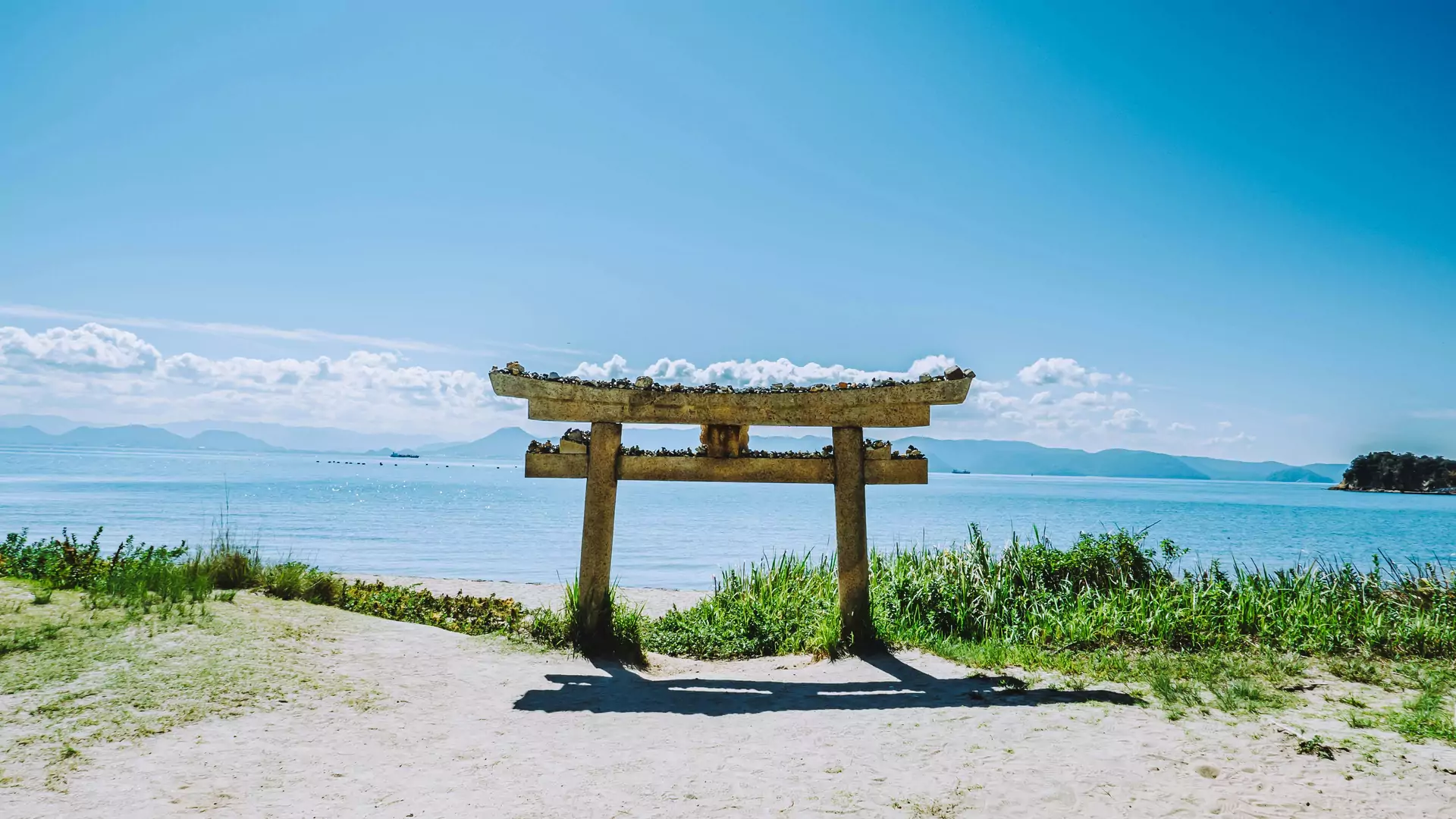
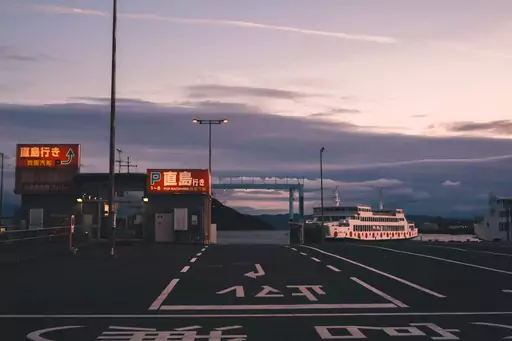
Naoshima is a small art island in the Seto Inland Sea, with museums by architect Tadao Ando, outdoor sculptures and old village houses turned into installations. It's part of Kagawa Prefecture on Shikoku and has only a few thousand residents. Chichu Art Museum is mostly underground and has paintings by Monet and works by James Turrell. The Art House Project has installations in the old lanes of Honmura. A red pumpkin by Yayoi Kusama is near Miyanoura Port. Ferries from Uno and Takamatsu take under an hour, so it works as a long day trip or an overnight stay.

Island in Japan
Climate zone: Humid subtropical

Humid subtropical: Warm temperate climates with hot, humid summers, mild winters and evenly distributed rainfall, common on eastern continental margins.

See climate table
Price level: $$$
$Cheap
$$Medium
$$$Expensive, upscale
$$$+Very expensive, luxury
See price details
Safety: 8.3
General Safety:10
Health & medical:5
Accessibility:6
Tap water:9
Read details
Tourist English: 3/5
English is widely understood on Naoshima, especially around the art centres and visitor facilities. Most staff speak basic English and signage is bilingual, making communication smooth for most travellers.
Last update: 20 Oct 2026
* We earn a commission from some links on this page.
Naoshima Summary

These place ratings give you a quick overview of how well a destination matches different types of trips.

‘Best for’ scores:
The specific interest scores show where this place really shines – whether it's ideal for hiking, food & drink experiences, museums or other activities. These highlights help you understand what makes the destination special at a glance.

‘Your personal’ scores:
This reflects how well a place matches your personal preferences. You can adjust the importances of travel topics or other personal requirements categories in your account settings.

‘Suited for’ badges:
These give you a quick overview of how well a destination suits specific types of travellers, to help you find the places that match your lifestyle, preferences or travel situation.

Read how our scores work
World-class for contemporary art and island scenery. Visit famous art museums, explore outdoor sculptures, cycle quiet coastal roads and stay in stylish art-focused accommodation.
Place score
9.3
Best at:
Art
10
Spotless
9
Museums
9
Architecture
9
Cosy towns
8
Personal score
?
Log in to see how this place matches your personal travel interests.
Suited for
👶 5
Families
🧓 5
Seniors
👩 8
Solo
🛡️ 7
Travel Beginners
Japan – Quick facts
Power Grid: 100 V, 50 Hz
Plug: Type A
Type A:
Diagram of a Type A power plug

Read about power adapters
Currency: Japanese Yen (JPY)
£1 ≈ JP¥210
Cashless info: Rating 4/5
Cashless payments are becoming more common, especially in cities, with some shops still preferring cash. Be prepared for occasional cash-only situations in rural areas.

Save with a travel credit card
eSIM providers: Best value: Saily
Flexibility: Airalo
Read our in-depth comparison
Tipping: Tipping is not customary in Japan and can be considered rude. Excellent service is the norm, and tipping is unnecessary in most places.
Public drinking: Public drinking is legal and commonly accepted, particularly during festivals and events.
Public smoking: Smoking is prohibited in indoor public places but allowed in designated outdoor areas. Some restaurants may have smoking sections.
New Year
(January)
One of the most important holidays, expect crowded temples and high prices. Plan ahead.
Golden Week
(April-May)
The busiest travel time, expect high demand for accommodation and transport.
Obon
(August)
A time to honour ancestors, many businesses close, and transport can be crowded.
Emergency contact: Emergency Number: 110 (Police), 119 (Fire & Ambulance)
Taxi apps: Uber, JapanTaxi, DiDi
Other: Japan is a country of respect, so understanding local customs and etiquette is important. Public transport is efficient, but can be crowded during peak hours.
Best times to travel

The best times to travel section shows how the months compare for a visit, so you can find the time of year that fits what you want to do.

Background colours of the months:
The colour shows the typical temperature: yellow (hot), green (mild) and blue (cold). How strong the colour is shows the travel season: full colour means high season, soft colour means shoulder season and soft-striped means off season.

Weather symbols:
Each month has one symbol showing what the weather is typically like, such as hot and sunny, freezing or a rainy or snowy season. Use them to quickly spot months that match the weather you want, or to avoid the ones that don't.

Crowdedness:
The people icon shows how busy the place usually is. The more people, the more crowded it gets.

Additional notes:
The grey info boxes point out special things worth knowing, like recurring weather issues or seasonal events.

for Naoshima, Japan
⛅
Jan
⛅
Feb
⛅
Mar
⛅
Apr
⛅
May
⛅
Jun
⛅
Jul
⛅
Aug
⛅
Sep
⛅
Oct
⛅
Nov
⛅
Dec
High season: April - May, Oct. - Nov.
Shoulder season: March, June - Sep.
Crowdedness: 5 (Moderate tourist numbers)
Tap on a month for more info Hover over a month for more info
Most museums closed on Mondays; Chichu Art Museum needs timed tickets booked in advance
Setouchi Triennale art festival runs every three years in spring, summer and autumn sessions, next in 2028
Ferries from Uno and Takamatsu run less often in the evening, last boats leave early

Why travel to Naoshima?

Naoshima's art is spread across the whole island instead of packed into one building. Chichu Art Museum, designed by Tadao Ando and mostly underground, shows five Water Lilies paintings by Monet under natural light along with works by James Turrell and Walter De Maria. Nearby, the Benesse House museum and the Lee Ufan Museum are in the hills and outdoor sculptures are along the shore. On the east coast the Art House Project turns old village houses into installations. At Minamidera, Ando built a dark space for a work by Turrell. The houses are small and spread through narrow lanes, so you visit them on foot. I Love Yu is a working public bathhouse decorated by the artist Shinro Ohtake where you can soak inside an artwork. Naoshima suits slow travel. The island is quiet and the coast has small coves that make a good break from the museums. One day covers the main sights if you book ahead and two days give time for Honmura at an easier pace. Teshima and Inujima are nearby art islands reached by ferry, which makes Naoshima a natural base for a trip across several islands.

🏯Places worth seeing
  • 1 Iya Valley
  • 2 Ritsurin Garden
  • 3 Naoshima Neew Museum of Art
  • 4 Benesse House Museum
🎡Places for activities
  • 1 Symbol Tower
  • 2 Benesse House Beach
🏞️Natural landmarks
  • 1 Benesse House Beach
🍽️Eat & Drink
  • 1 Aisunao
    Mostly vegan brown rice set meals in a historic townhouse, with more than 20 ingredients in one meal. Staff use a blackboard to show which prefecture each ingredient is from. Dessert is rice flour cake with bamboo charcoal.
  • 2 Terrace Restaurant
    French-inspired dinners in a fine dining restaurant, with scallop ravioli in seaweed beurre blanc, sautéed flounder and marinated butterfish with Japanese lime jelly. The restaurant is part of the Benesse House museum hotel and faces the sea.
  • 3 New Olympia
    Sushi and sashimi of Spanish mackerel, amberjack and rainbow salmon from local waters. A father and son run the restaurant, which serves dinner only. It is about a 3-minute walk from the port.
  • 4 Naoshima Pasta REGALO
    Italian pasta and focaccia made from scratch at a tiny trattoria, plus steak and seafood carpaccio using Seto Inland Sea catch. Staff top the pumpkin cheesecake with dots, a nod to the spotted pumpkin sculpture.
  • 5 Aisunao
    Mostly vegan brown rice set meals in a historic townhouse, with more than 20 ingredients in one meal. Staff use a blackboard to show which prefecture each ingredient is from. Dessert is rice flour cake with bamboo charcoal.
  • 6 NaoPAM Shima-Shoku-Do Miyanda
    Seafood set meals of sashimi, grilled fish and boiled fish, changing daily with the catch from local boats. The owner goes fishing before dawn. The restaurant is 3 minutes from the port and serves lunch and dinner.
  • 7 Naoshima Noodle
    Tori paitan ramen, noodles in a creamy chicken broth, at a self-service shop where diners pick their own toppings. This inexpensive restaurant is next to the Naoshima Co-op, a local supermarket.
  • 8 Chikurin
    Pub-style food of sashimi, fried chicken, simmered fish and oden, a Japanese hot pot. One person runs the whole izakaya, a Japanese pub, from taking orders to cooking and washing dishes.

Knowledge before you go

  • Reserve museum tickets online before you travel since popular ones sell out.
  • Many art venues close on Mondays, so check opening days before fixing your itinerary.
  • Check the last ferry time before you start the day, since boats stop running in the evening.
  • Overnight guests at the museum hotel get after hours access to parts of the art grounds.

How to travel to Naoshima

Ferries are the only way to reach Naoshima. Most boats arrive at Miyanoura Port on the west coast. From Uno Port in Okayama Prefecture the crossing takes about 20 minutes. From Takamatsu Port in Kagawa Prefecture it takes roughly an hour. Honmura Port on the east coast has a few boats from Uno. Uno is a short train ride from Okayama Station, which is about 45 minutes from Shin-Osaka by shinkansen and roughly 3.5 hours from Tokyo. Takamatsu is reached by train from Okayama over the Seto Ohashi bridge. Takamatsu Airport (TAK) and Okayama Airport (OKJ) both have flights from Tokyo and connect to the cities by bus. Some ferries carry cars, but there's little reason to bring one. If you drive to the area, park near Uno or Takamatsu Port and cross on foot. Timetables change by season, so check them before you go.

Access summary

  • From Kansai International Airport (KIX): Shinkansen to Okayama (1h30m), then local train to Naoshima (30min).
  • From Osaka (ITM): Local train to Takamatsu (2h), ferry to Naoshima (45min).
  • Ferry from Uno Port: 40–50 minutes directly to Naoshima.

Where to stay in Naoshima

Staying overnight is worth it, since the island is quiet once day visitors leave. Accommodation is small in scale. You'll find a museum hotel inside the art grounds, guesthouses and small inns in Honmura and around the ports plus a few larger lodgings. Rooms are limited and fill up well ahead at weekends and in spring and autumn. Honmura suits people who want to walk to the Art House Project and eat nearby. The area near Miyanoura Port is handy for early or late ferries. The museum hotel suits people who want the art grounds to themselves in the evening. Takamatsu and Okayama have far more hotels and are common bases for day trips. Expect a ferry ride of 20 minutes to an hour each way so check the last boat back.

How to get around Naoshima

Naoshima is small but the distances between Miyanoura Port on the west coast, Honmura on the east coast and the museums are longer than they look on a map, so plan your route in advance. Buses, bicycles and walking cover most of it and a car isn't needed.

Buses:
Town buses run from Miyanoura Port through Honmura to the Tsutsujiso stop for about JP¥100 (£0.47) a ride, though services aren't frequent.
From Tsutsujiso, free shuttle buses reach Benesse House, the Lee Ufan Museum and Chichu Art Museum. Free shuttle buses also link the ports and the art grounds for guests of the museum hotel.

Bikes and walking:
Bicycles are available to hire at Miyanoura Port from about JP¥500 (£2.37) a day and electric-assist bikes cost more.
Some roads go up moderate hills, so the electric option helps in summer heat. Honmura is best seen on foot because the art houses are close together.

Food in Naoshima

Food on Naoshima is simple and local, with seafood from the Seto Inland Sea and noodles from Kagawa Prefecture. Kagawa is famous for sanuki udon and you'll find it on the mainland more than on the island. Small cafes and restaurants are around Miyanoura Port and Honmura. The big museums have their own cafes too.

Many places close in the late afternoon or early evening and some take a weekday off, so plan dinner before you arrive. Most guesthouses serve dinner and breakfast if you ask in advance.

Shops are few, so bring snacks if you plan a long cycling day. Food and drink aren't allowed inside most of the art spaces, so eat before or after your visit.

Budget snapshot
Costs compared to home

We calculate the average costs when travelling to destinations and compare those with the living costs at your home. With this you can get an estimate of how expensive or cheap the destination is for you.

To customise this, you can set up which location and price level are used for the calculations in your account settings.

-47 %
Daily expenses in the region are around 47% lower than the average across United States. That means you'll spend a lot less on meals and getting around.
Exchange rate trend

The exchange rate price factor shows how expensive or cheap a currency currently is compared to its historical average. It's a quick way to see if a country is currently more or less affordable due to exchange rate changes.

-20 %
Your exchange rate (GBP to JPY) is 20% better than in recent years. That means travelling now is considerably cheaper compared to the past.

Travel costs

To help you plan your trip, we provide estimated daily costs per person (when travelling as a pair) for different travel styles. These numbers give you an idea of what you might spend each day at this destination, including accommodation, food, transport and activities.

Additionally, we also provide average hotel costs for different travel styles to give you an estimate for the accommodation only.

Please note that these are only estimates. The real costs depend on booking times, season and other factors.

Daily cost summary

Travel style categories explained:

Backpacker:
Staying in hostels or budget hotels, cooking your own meals or eating cheap and choosing low-cost activities.

Mid-range:
Staying in mid-range hotels, eating at a mix of restaurants and casual spots and enjoying a variety of activities.

Luxury:
Staying in luxury hotels, dining out at high-end restaurants and enjoying premium experiences without worrying about the price.

Backpacker Mid-range Luxury
💵 Total costs per day, including accommodation
£44
£91
£257
🏨 Accommodation per night, per person
£23
£53
£128
🍝 Food per day
£17
£31
£92
🚕 Transportation per day
£5
£7
£37
Food & Drink
🍽️ Restaurant Dinner, per person
£11.50
🍛 Lunch Set, per person
£4.90
🍟 Fast food combo
£3.70
🍝 Preparing your own food, per day
£7
☕ Cappuccino
£2
🍺 Beer in a restaurant, 0.5 l
£2.20
Transportation
🚌 Public transport ticket
£1.05
🚕 Taxi Ride, 10 km / 6 mi
£23
⛽ Petrol, 1 l
£0.80
Other
🎞️ Cinema ticket
£8.50
👩‍⚕️ Doctor's consult
£21
🤧 Cold medication
£9
💇 Basic haircut
£5.50

Safety information overview

General safety
10
Naoshima is very safe with low crime and a quiet island pace. The main concerns are practical. Roads have hills and some stretches lack pavements, so cyclists should take care. Typhoons in late summer and autumn can cancel ferries and strand visitors overnight.
Health & Medical
5
The island is small and has limited medical services, so serious cases are treated on the mainland. Carry any regular medication and sun protection. Summer heat and humidity are the main everyday concern, especially if you cycle between sights.
Accessi­bility
6
Accessibility is mixed. Ferries and island buses involve steps while some roads climb hills. Several museums are built into hillsides with slopes, stairs and gravel paths. Honmura's lanes are narrow, so check each venue before you go.
Tap water
9
Tap water is safe to drink in Japan, including on Naoshima. Shops are few outside Miyanoura and Honmura, so carry a bottle if you cycle. Vending machines sell bottled drinks near the ports if you need one.

Looking for inspiration?

Discover
Best cherry blossom destinations in Asia
Cherry blossom season turns parts of Asia into a completely different place for a few short weeks each year, drawing travelers who plan their entire trip around a single bloom.…
Read more
Discover
Top art destinations and cultural hubs
For many travellers, standing in front of a painting they have only ever seen in books is one of the best moments of a trip and it often feels very different from what they…
Read more
Discover
Best couple vacation destinations in Asia
Asia is perfect for couples who want their holiday to feel like a shared adventure rather than just a change of scenery. Few continents offer so many ways to be amazed together.…
Read more
Discover
Top cherry blossom destinations and spring blooms
Cherry blossom season is brief and weather-dependent almost everywhere it happens, which is part of why it draws so much dedicated travel. The bloom typically lasts only a week or…
Read more
Discover
Best destinations for first-time travelers in Asia
Asia has one of the best established beginner travel routes anywhere, largely because so many first time travelers have worn the path before you. Southeast Asia in particular…
Read more
Discover
Top digital nomad destinations and remote work hubs in 2026
Working from anywhere in the world sounds simple until you actually try it and the best digital nomad destinations look different depending on what kind of remote worker you are.…
Read more
Discover
Best couple holiday destinations
Travelling as a couple sounds simple enough, yet the best couple holiday destinations mean something different to almost every pair. What feels romantic to one couple can feel like…
Read more
Discover
Best travel destinations for seniors in Asia
Asia offers some of the most senior friendly infrastructure anywhere, alongside destinations that still call for a bit more independence and stamina. Japan in particular stands…
Read more
Discover
Top digital nomad destinations and remote work hubs in Asia
Asia has quietly become one of the most popular continents for remote work, and it is easy to see why once you look past the obvious hubs. Some remote workers gravitate toward…
Read more
Discover
Best destinations for first-time travellers
A first trip abroad works best somewhere that eases you in, rather than throwing every possible culture shock and logistical headache at you at once. Some first-time travellers…
Read more
Discover
Best art destinations in Asia
Asia's art offer spans one of the world's most diverse ranges of cultural traditions and artistic languages, from the classical court painting, ceramic and sculptural traditions of…
Read more
Discover
Best travel destinations for seniors
Senior travel covers a wide range, from slow, low effort trips built around comfort to more independent trips for travellers who still want to cover plenty of ground. Some…
Read more
Discover
Most beautiful beaches and coastal escapes
For a lot of people, a beach is the whole point of a holiday, but what makes a beach day perfect really depends on personal taste. Some travellers want isolation and the feeling…
Read more
Discover
Stunning national parks and wilderness areas
National parks exist because someone decided that certain landscapes were too important to lose. The best of them protect ecosystems, wildlife and natural processes that would…
Read more
Discover
Intimate escapes and romantic getaways
The most memorable trips for couples tend to have less to do with luxury and more to do with the quality of shared experience. A place that slows you down, removes the usual…
Read more
Feedback
