







Was this page helpful?

These place ratings give you a quick overview of how well a destination matches different types of trips.
‘Best for’ scores:
The specific interest scores show where this place really shines – whether it's ideal for hiking, food & drink experiences, museums or other activities. These highlights help you understand what makes the destination special at a glance.
‘Your personal’ scores:
This reflects how well a place matches your personal preferences. You can adjust the importances of travel topics or other personal requirements categories in your account settings.
‘Suited for’ badges:
These give you a quick overview of how well a destination suits specific types of travellers, to help you find the places that match your lifestyle, preferences or travel situation.
The best times to travel section shows how the months compare for a visit, so you can find the time of year that fits what you want to do.
Background colours of the months:
The colour shows the typical temperature: yellow (hot), green (mild) and blue (cold). How strong the colour is shows the travel season: full colour means high season, soft colour means shoulder season and soft-striped means off season.
Weather symbols:
Each month has one symbol showing what the weather is typically like, such as hot and sunny, freezing or a rainy or snowy season. Use them to quickly spot months that match the weather you want, or to avoid the ones that don't.
Crowdedness:
The people icon shows how busy the place usually is. The more people, the more crowded it gets.
Additional notes:
The grey info boxes point out special things worth knowing, like recurring weather issues or seasonal events.
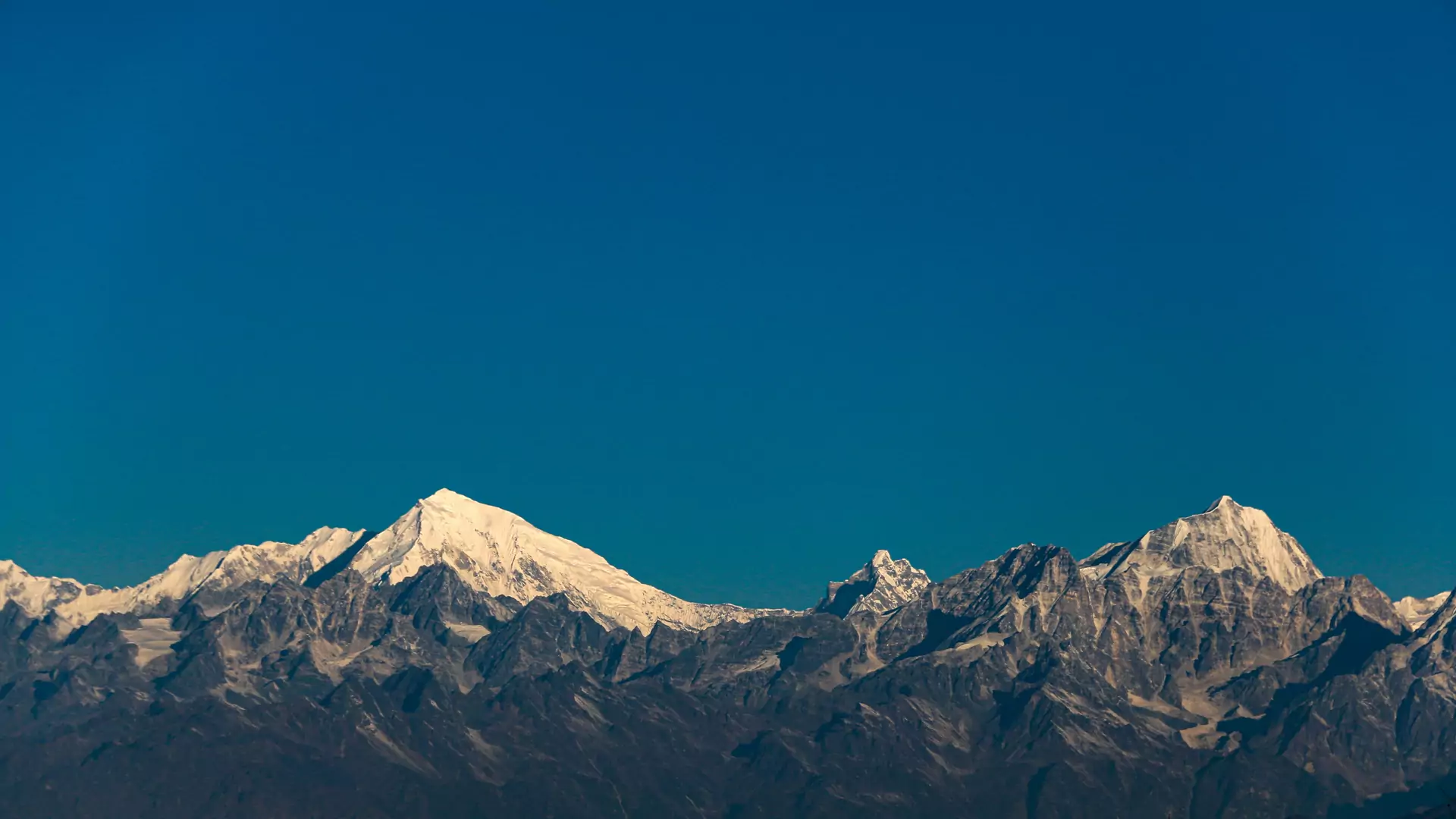
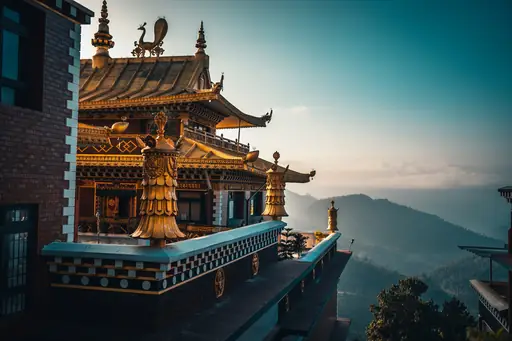
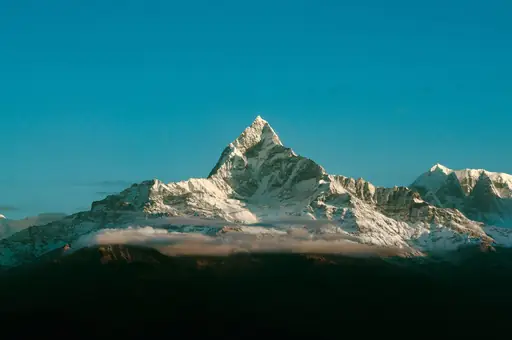
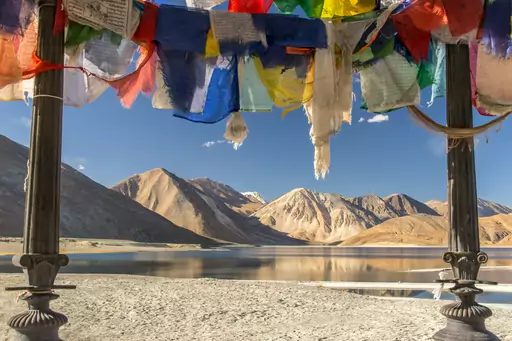
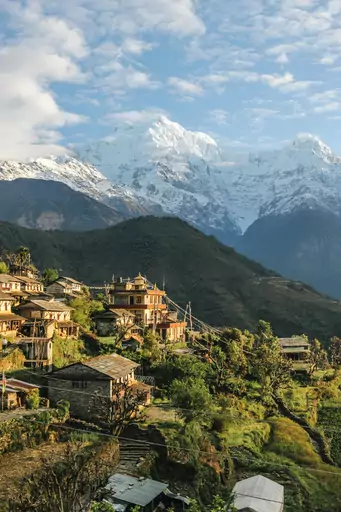
The Himalayas offer a unique blend of natural beauty and cultural depth that appeals to travelers seeking both adventure and reflection. Stretching across five countries – India, Nepal, Bhutan, China and Pakistan – the range presents diverse landscapes: snow‑capped peaks, alpine meadows, dense forests and glacial rivers. For those interested in trekking, routes such as the Annapurna Circuit, Langtang Valley or the quieter Gokyo Lakes trail provide varying levels of challenge while showcasing dramatic scenery and opportunities to observe local wildlife. Beyond the physical experience, the Himalayas are home to a tapestry of cultures. Villages along trekking paths preserve traditional architecture, festivals and crafts that reflect centuries of Himalayan heritage. Visitors can engage with Sherpa communities in Nepal or explore Bhutan’s unique “Gross National Happiness” philosophy through visits to monasteries and dzongs. The region also offers opportunities for mindful practices; many travelers find the quietude of high‑altitude retreats conducive to meditation, yoga or simply disconnecting from daily routines. Seasonal changes bring distinct experiences: spring blossoms in rhododendron forests, monsoon rains that refresh valleys, autumn’s crisp air and winter’s pristine snow. Overall, the Himalayas provide a balanced itinerary for those who value natural wonder, cultural insight and personal growth without resorting to exaggerated claims.
The Himalayas span across five countries – India, Nepal, Bhutan, China (Tibet) and Pakistan – making access dependent on regional entry points. In India, major gateways include Gangotri and Pithoragarh in Uttarakhand, reachable by road from Delhi via NH34 or rail to Rishikesh followed by a 6-hour drive. Nepal’s Everest region is accessed through Lukla Airport (Tenzing-Hillary Airport), with treks starting from the town. Bhutan requires pre-booked permits and flights to Paro or Gangtok, while Tibet’s Lhasa offers road access via the China-Nepal Highway. Pakistan’s Karakoram Highway connects to the Himalayas through Gilgit-Baltistan. Seasonal road closures due to snow affect high-altitude routes; summer (April–October) is optimal for most areas. Local guides and permits are often mandatory for trekking or remote zones.
In the Himalayan region, lodging ranges from modest homestays to luxury eco‑resorts, catering to trekkers and cultural explorers alike. Rural villages offer family-run guesthouses with traditional décor, often featuring local cuisine and guided hikes at affordable rates. Mid‑tier lodges in towns such as Manali or Dharamshala provide comfortable rooms, Wi‑Fi and panoramic mountain views for moderate budgets. High‑end resorts near popular passes boast spa facilities, fine dining and 5‑star service, appealing to travelers seeking indulgence after a day’s ascent. Many areas are renowned for their “tea house” style accommodations – simple, communal spaces that foster camaraderie among trekkers while offering basic amenities at low prices.
We calculate the average costs when travelling to destinations and compare those with the living costs at your home. With this you can get an estimate of how expensive or cheap the destination is for you.
To customise this, you can set up which location and price level are used for the calculations in your account settings.
To help you plan your trip, we provide estimated daily costs per person (when travelling as a pair) for different travel styles. These numbers give you an idea of what you might spend each day at this destination, including accommodation, food, transport and activities.
Additionally, we also provide average hotel costs for different travel styles to give you an estimate for the accommodation only.
Please note that these are only estimates. The real costs depend on booking times, season and other factors.
Travel style categories explained:
Backpacker:
Staying in hostels or budget hotels, cooking your own meals or eating cheap and choosing low-cost activities.
Mid-range:
Staying in mid-range hotels, eating at a mix of restaurants and casual spots and enjoying a variety of activities.
Luxury:
Staying in luxury hotels, dining out at high-end restaurants and enjoying premium experiences without worrying about the price.
| Backpacker | Mid-range | Luxury | |
|---|---|---|---|
| 💵 Total costs per day, including accommodation | |||
| 🏨 Accommodation per night, per person | |||
| 🍝 Food per day | |||
| 🚕 Transportation per day |
| 🍽️ Restaurant Dinner, per person | |
|---|---|
| 🍛 Lunch Set, per person | |
| 🍟 Fast food combo | |
| 🍝 Preparing your own food, per day | |
| ☕ Cappuccino | |
| 🍺 Beer in a restaurant, 0.5 l |
| 🚌 Public transport ticket | |
|---|---|
| 🚕 Taxi Ride, 10 km / 6 mi | |
| ⛽ Petrol, 1 l |
| 🎞️ Cinema ticket | |
|---|---|
| 👩⚕️ Doctor's consult | |
| 🤧 Cold medication | |
| 💇 Basic haircut |
Log in to add this place to a travel list and get a summary of all recommended items for your whole trip.
