







Was this page helpful?

| Public website: | whc.unesco.org |
|---|
| Power Grid: |
230 V, 50 Hz Plug: Type C , Type F
Type C:
  Read about power adapters |
|---|---|
| Currency: |
Armenian Dram (AMD) £1 ≈ AMD 480.36 |
| Cashless info: |
Rating 3/5
Cashless payments are becoming more common in major cities like Yerevan, but cash is still often required, especially in smaller towns.
Save with a travel credit card |
| eSIM providers: |
Best value: Saily Flexibility: Airalo Read our in-depth comparison |
| Tipping: | Tipping is appreciated in Armenia, with a 10% tip being common in restaurants, although it is not mandatory. |
|---|---|
| Public drinking: | Public drinking is allowed but should be done in moderation. It is not uncommon to see people drinking in parks or public spaces. |
| Public smoking: | Smoking is prohibited indoors in public places, but allowed in outdoor areas and designated smoking zones. |
| Armenian Genocide Remembrance Day (April) |
A solemn day, with memorial events and closures. |
|---|---|
| New Year (January) |
Expect celebrations and some closures. |
| Emergency contact: | Emergency Number: 112 or 911 (Police, Fire, Ambulance) |
|---|---|
| Taxi apps: | Yandex Taxi, GG Taxi |
| Other: | Armenia is rich in history and culture, offering stunning landscapes, the UNESCO World Heritage Site of Geghard Monastery and the ancient Temple of Garni. |
The best times to travel section shows how the months compare for a visit, so you can find the time of year that fits what you want to do.
Background colours of the months:
The colour shows the typical temperature: yellow (hot), green (mild) and blue (cold). How strong the colour is shows the travel season: full colour means high season, soft colour means shoulder season and soft-striped means off season.
Weather symbols:
Each month has one symbol showing what the weather is typically like, such as hot and sunny, freezing or a rainy or snowy season. Use them to quickly spot months that match the weather you want, or to avoid the ones that don't.
Crowdedness:
The people icon shows how busy the place usually is. The more people, the more crowded it gets.
Additional notes:
The grey info boxes point out special things worth knowing, like recurring weather issues or seasonal events.
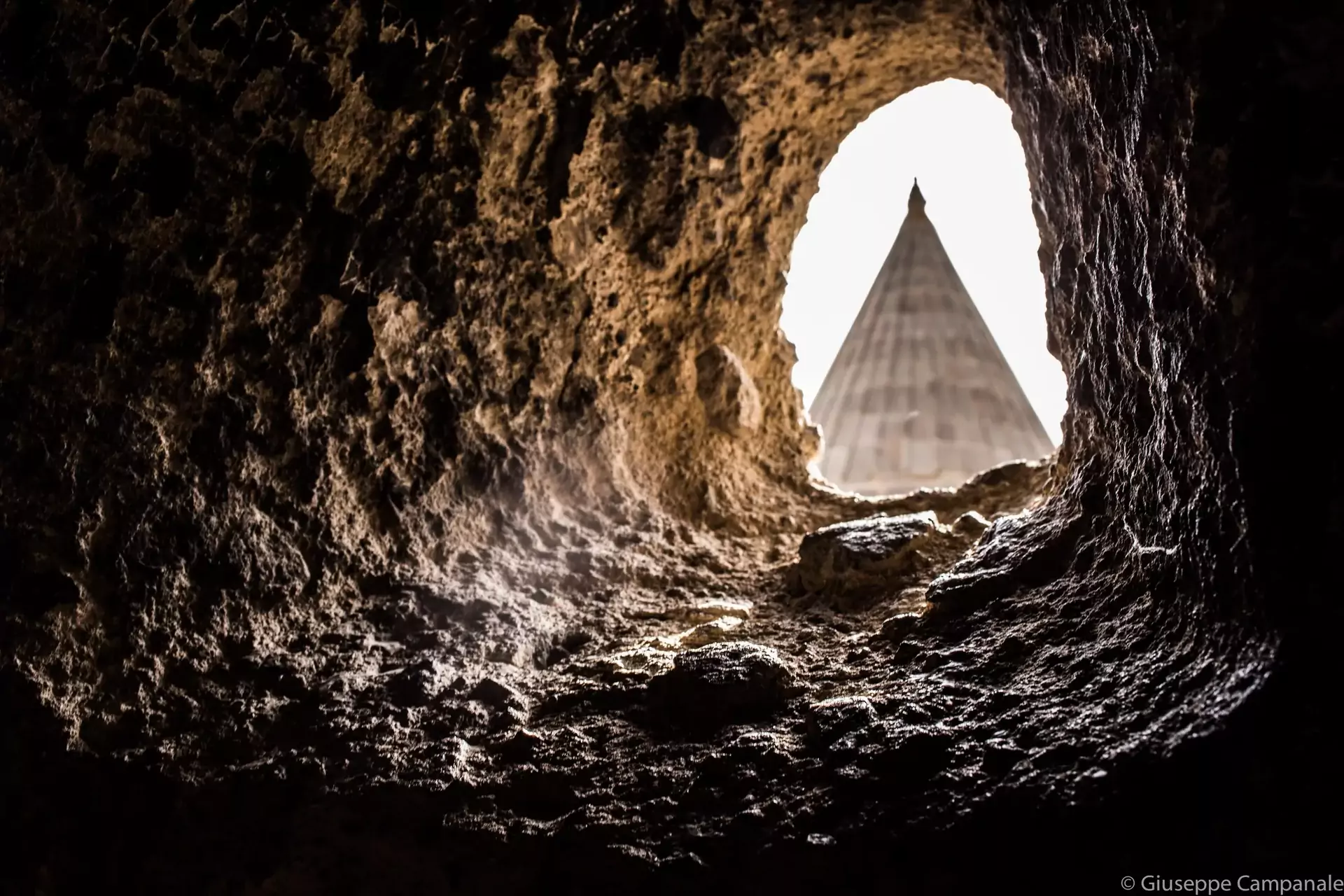
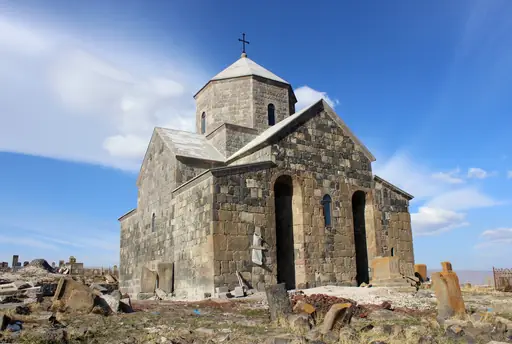
Geghard Monastery stands as a remarkable example of medieval architecture in Armenia. Carved directly into the rocky cliffs near the Tatev River it showcases how human creativity can transform harsh landscapes into spaces of spiritual reflection. The complex includes churches chapels and defensive walls built over centuries with each layer revealing new details about daily life and religious practices.
The monastery’s location provides stunning views across valleys and mountains making the journey to reach it feel intentional. Visitors walk along winding paths passing ancient tombstones and small chapels that highlight how communities once thrived here. The site also features intricate stone carvings depicting biblical scenes which serve as visual stories for those who pause to observe them closely.
Historical records indicate Geghard was active from the 10th century onward playing a role in education and art during Armenia’s golden age. Its scriptorium produced manuscripts that preserved knowledge long before modern printing existed. The monastery survived earthquakes and invasions proving its resilience through shifting political landscapes while maintaining cultural continuity.
Today Geghard remains an active place of worship attracting pilgrims and travelers alike. The surrounding area supports small farms selling fresh herbs and fruits adding a sensory layer to the visit. Sunlight filtering through narrow windows inside the main church creates patterns that change throughout the day reminding visitors of time’s quiet passage without rushing them toward any conclusion.
Visiting Geghard feels like stepping into a different world. The monastery, partly hewn from solid rock and surrounded by towering cliffs, is a masterpiece of medieval architecture and a UNESCO World Heritage Site. You’ll find centuries-old chapels, intricate stone carvings and khachkars (cross-stones) scattered throughout the complex. The acoustics inside are so magical that hearing a choir sing here is truly unforgettable. Geghard is usually peaceful, though it can get crowded on weekends and religious holidays. The interior is dim and cool – even in summer – so bring a light jacket. The approach road is winding and public transport is limited, so plan ahead if you’re not joining a tour. The site is generally safe, but the paths can be uneven and slippery, especially after rain.
Geghard is about 40 km from Yerevan. The easiest way to visit is by joining a day tour or hiring a taxi. Public minibuses (marshrutkas) go to Garni village, from which Geghard is a short taxi ride. The nearest major airport is Zvartnots International Airport in Yerevan.
Most visitors stay in Yerevan, which has a wide range of hotels, hostels and guesthouses. There are a few guesthouses and B&Bs in Garni village for those wanting to be closer to Geghard, but options are limited and basic.
Log in to add this place to a travel list and get a summary of all recommended items for your whole trip.
We calculate the average costs when travelling to destinations and compare those with the living costs at your home. With this you can get an estimate of how expensive or cheap the destination is for you.
To customise this, you can set up which location and price level are used for the calculations in your account settings.
The exchange rate price factor shows how expensive or cheap a currency currently is compared to its historical average. It's a quick way to see if a country is currently more or less affordable due to exchange rate changes.
