We use cookies and external services: MapTiler for interactive maps and Google Maps to show route duration/distance. Both may process personal data such as your IP address, including transfers outside the EU/EEA. See our privacy policy for details. By clicking ‘Accept all’, you consent to this.
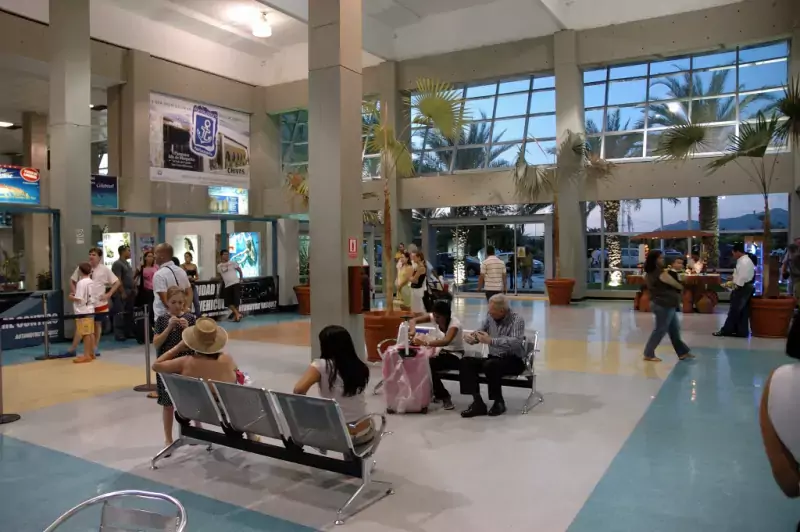
Santiago Marino Caribbean International Airport serves as a key gateway in Venezuela’s northern region. Located near the Caribbean coast, it connects travelers to nearby towns and popular beaches. The airport handles domestic flights from Caracas and other major cities while supporting regional routes for cargo and tourism. Its modern facilities include baggage services, retail shops and dining options catering to diverse passengers. As a hub for both business and leisure travel, the airport plays an essential role in local commerce and transportation networks across the Caribbean coast.
| Power Grid: |
120 V, 60 Hz Plug: Type A , Type B
Type A:
Read about power adapters |
|---|---|
| Currency: |
Venezuelan Bolívar (VES) £1 ≈ VES 1,177.22 |
| Cashless info: |
Rating 3/5
Cashless payments are becoming more common in larger cities, but cash remains the preferred method in Venezuela, especially in rural areas.
Save with a travel credit card |
| eSIM providers: |
Best value: Saily Flexibility: Airalo Read our in-depth comparison |
| Tipping: | Tipping is not mandatory in Venezuela but is appreciated in restaurants (10-15%) and for hotel and taxi services. |
|---|---|
| Public drinking: | Public drinking is allowed in some areas of Venezuela, but it may be subject to local regulations depending on the region. |
| Public smoking: | Smoking is allowed in outdoor public spaces and in designated indoor areas. |
| Independence Day (5 July) |
Celebrates Venezuela’s independence from Spain |
|---|---|
| Christmas (25 December) |
Celebrated with family gatherings and festive meals |
| Emergency contact: | Emergency Number: 911 (Police, Fire, Ambulance) |
|---|---|
| Taxi apps: | Uber, Bolt |
| Other: | Venezuela is known for its natural beauty, including Angel Falls, the world’s highest uninterrupted waterfall. Despite its challenges, the country offers rich cultural experiences and scenic landscapes. |
Santiago Marino Caribbean International Airport serves as a key gateway in Venezuela’s northern region. Located near the coast, it connects travelers to both domestic and international locations. The facility handles flights from major hubs and smaller regional carriers. Its design prioritizes practicality for passengers moving through customs or transferring between routes.
The airport features modern terminals with clear signage guiding visitors through security checks and baggage claim areas. Staff members assist with language barriers when needed. Parking options include short-term spots near the entrance and long-term lots further away. Public transit links connect to nearby towns, though many rely on taxis or private rides for convenience.
Travelers can find basic amenities like snack bars serving local flavors such as empanadas or fresh fruit juices. Currency exchange counters allow quick changes between bolívares and US dollars. Restrooms are maintained regularly, with separate sections available for families. Wi-Fi access is provided in waiting areas to support connectivity needs.
For those planning visits, checking flight schedules online helps avoid delays. Car rentals operate from the airport’s lot, offering flexibility for exploring nearby beaches or historic sites. Weather patterns here often feature warm temperatures with occasional rain showers during certain months. Staying informed about local conditions ensures smoother travel experiences.
Helpful tips for Santiago Mariño Caribbean International Airport
- Arrive at least two hours early for security and customs clearance.
- Check visa requirements beforehand; Venezuelan passports may need a tourist card or e-visa for entry.
- Use the airport's free Wi‑Fi to confirm flight status, but be aware of limited signal in some terminals.
- The terminal offers local craft stalls and a small museum showcasing Caribbean maritime history, ideal for cultural insight.
How to get from Porlamar Airport to popular destinations
To Puerto La Cruz:
Take a taxi from the terminal to downtown Puerto La Cruz (≈10 min). Fares range VES 6 (£0.01) USD, with drivers friendly and reliable. Taxis run 24/7; you can also hire a car or use local bus lines, though schedules are limited. The taxi driver will take the most direct route via the main highway, and you can tip around 10% of the fare.
To Caracas:
Take a long‑haul bus from PMV to Caracas (≈5–6 h). Buses run twice daily at VES 25 (£0.02) USD. Alternatively, hire a car for the 400 km drive; expect tolls and fuel around VES 30 (£0.03) USD. The bus stops at the central terminal where you can catch local taxis to reach your final destination.