








Was this page helpful?

These place ratings give you a quick overview of how well a destination matches different types of trips.
‘Best for’ scores:
The specific interest scores show where this place really shines – whether it's ideal for hiking, food & drink experiences, museums or other activities. These highlights help you understand what makes the destination special at a glance.
‘Your personal’ scores:
This reflects how well a place matches your personal preferences. You can adjust the importances of travel topics or other personal requirements categories in your account settings.
‘Suited for’ badges:
These give you a quick overview of how well a destination suits specific types of travellers, to help you find the places that match your lifestyle, preferences or travel situation.
| Power Grid: |
120 V, 60 Hz Plug: Type A , Type B
Type A:
  Read about power adapters |
|---|---|
| Currency: |
Venezuelan Bolívar (VES) £1 ≈ VES 1,177.22 |
| Cashless info: |
Rating 3/5
Cashless payments are becoming more common in larger cities, but cash remains the preferred method in Venezuela, especially in rural areas.
Save with a travel credit card |
| eSIM providers: |
Best value: Saily Flexibility: Airalo Read our in-depth comparison |
| Tipping: | Tipping is not mandatory in Venezuela but is appreciated in restaurants (10-15%) and for hotel and taxi services. |
|---|---|
| Public drinking: | Public drinking is allowed in some areas of Venezuela, but it may be subject to local regulations depending on the region. |
| Public smoking: | Smoking is allowed in outdoor public spaces and in designated indoor areas. |
| Independence Day (5 July) |
Celebrates Venezuela’s independence from Spain |
|---|---|
| Christmas (25 December) |
Celebrated with family gatherings and festive meals |
| Emergency contact: | Emergency Number: 911 (Police, Fire, Ambulance) |
|---|---|
| Taxi apps: | Uber, Bolt |
| Other: | Venezuela is known for its natural beauty, including Angel Falls, the world’s highest uninterrupted waterfall. Despite its challenges, the country offers rich cultural experiences and scenic landscapes. |
The best times to travel section shows how the months compare for a visit, so you can find the time of year that fits what you want to do.
Background colours of the months:
The colour shows the typical temperature: yellow (hot), green (mild) and blue (cold). How strong the colour is shows the travel season: full colour means high season, soft colour means shoulder season and soft-striped means off season.
Weather symbols:
Each month has one symbol showing what the weather is typically like, such as hot and sunny, freezing or a rainy or snowy season. Use them to quickly spot months that match the weather you want, or to avoid the ones that don't.
Crowdedness:
The people icon shows how busy the place usually is. The more people, the more crowded it gets.
Additional notes:
The grey info boxes point out special things worth knowing, like recurring weather issues or seasonal events.
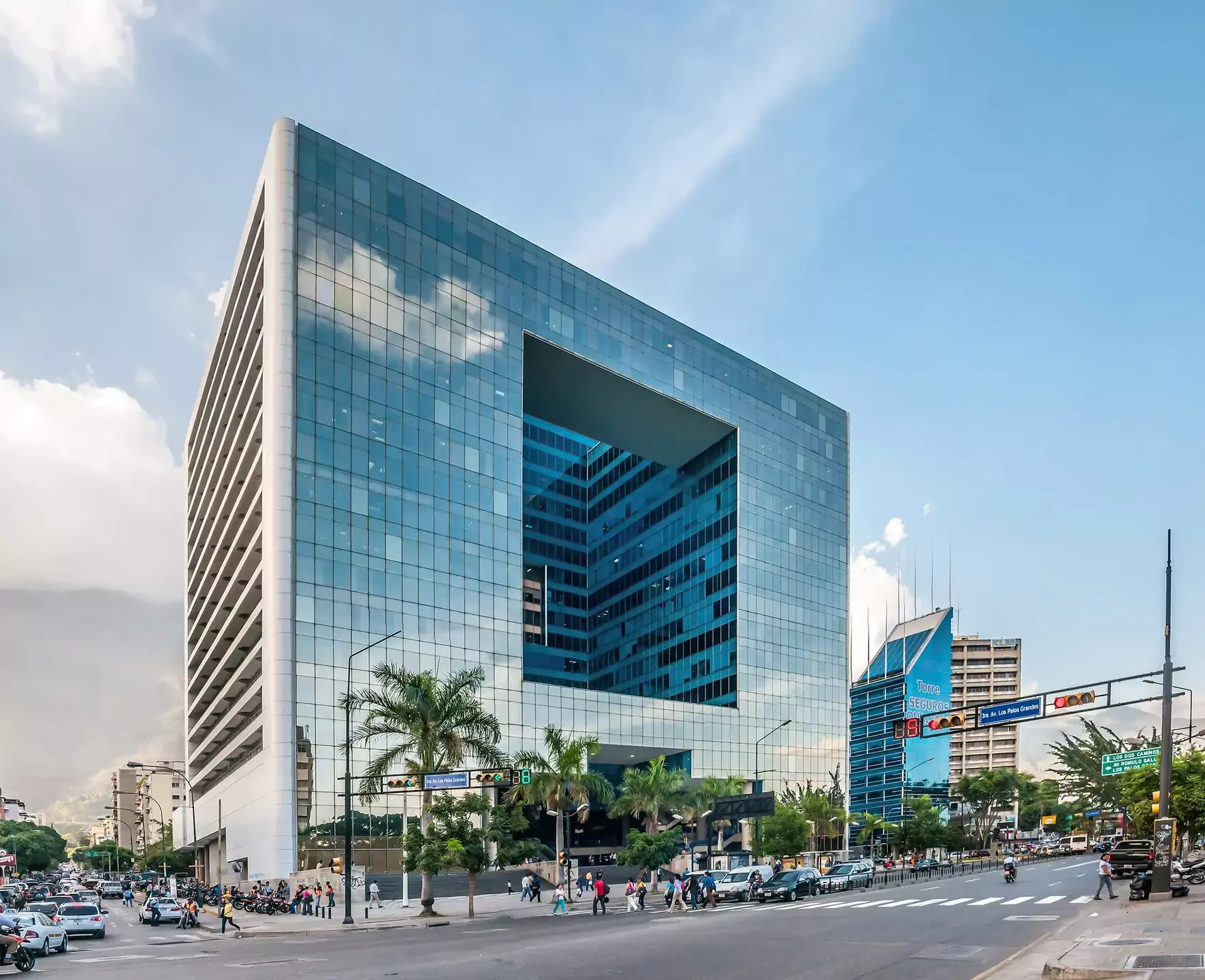
Caracas, Venezuela’s capital, offers a blend of cultural heritage and natural beauty that appeals to travelers seeking an authentic South American experience. The city sits at the foot of the Cordillera de la Costa, providing easy access to lush green hills and dramatic coastal views. Visitors can explore historic neighborhoods such as Altamira and San Juan, where colonial architecture meets vibrant street markets. Museums like the National Art Gallery and the Museum of Fine Arts showcase works by Venezuelan masters, while the Teatro Teresa Carreño hosts world‑class performances. For those interested in history, the Plaza Bolívar and the adjacent Casa de la Cultura offer insight into Venezuela’s independence movement. The nearby Parque del Este provides a green escape with walking trails, botanical gardens and panoramic city views. Food lovers will find Caracas’ culinary scene diverse, ranging from traditional arepas to contemporary fusion restaurants that highlight local ingredients. Transportation is convenient; the city’s metro system connects key districts and taxis or rideshare services are readily available. Safety can vary by neighborhood, so staying in well‑known areas such as Altamira or near the university district is advisable. With its mix of cultural landmarks, natural surroundings and evolving culinary scene, Caracas invites travelers to discover a dynamic city that reflects both Venezuela’s past and its present aspirations.
Caracas, the capital of Venezuela, is accessible via Simón Bolívar International Airport (CCS), located approximately 15 km east of the city center. The airport connects to major international hubs and domestic destinations. For ground transport, taxis, ride-hailing services like Uber and public buses provide access to central areas such as El Hatillo or Chacao. The metro system links key districts, including Plaza Bolívar and Parque Central. Private car rentals are available at the airport for flexible travel. Travelers should note that road conditions vary, so planning routes in advance is advisable. Border crossings via air or land connect Caracas to neighboring countries like Colombia and Brazil.
Caracas offers a mix of mid‑range boutique stays and upscale serviced apartments that cater to both business travelers and tourists seeking comfort. Many neighborhoods such as Altamira, El Valle and La Castellana feature modern complexes with amenities like fitness centers, rooftop terraces and 24/7 concierge services, typically priced between VES 80 (£0.07) and VES 150 (£0.13) per night. For a more intimate experience, the historic district of Centro offers charming colonial‑style guesthouses and bed‑and‑breakfasts that emphasize local décor and personalized service, usually around VES 50 (£0.04) to VES 90 (£0.08). The city is also known for its luxury hotels with panoramic views of the Cordillera de la Costa, offering rates from VES 200 (£0.17) upward but often including complimentary breakfast and airport transfers.
We calculate the average costs when travelling to destinations and compare those with the living costs at your home. With this you can get an estimate of how expensive or cheap the destination is for you.
To customise this, you can set up which location and price level are used for the calculations in your account settings.
The exchange rate price factor shows how expensive or cheap a currency currently is compared to its historical average. It's a quick way to see if a country is currently more or less affordable due to exchange rate changes.
To help you plan your trip, we provide estimated daily costs per person (when travelling as a pair) for different travel styles. These numbers give you an idea of what you might spend each day at this destination, including accommodation, food, transport and activities.
Additionally, we also provide average hotel costs for different travel styles to give you an estimate for the accommodation only.
Please note that these are only estimates. The real costs depend on booking times, season and other factors.
Travel style categories explained:
Backpacker:
Staying in hostels or budget hotels, cooking your own meals or eating cheap and choosing low-cost activities.
Mid-range:
Staying in mid-range hotels, eating at a mix of restaurants and casual spots and enjoying a variety of activities.
Luxury:
Staying in luxury hotels, dining out at high-end restaurants and enjoying premium experiences without worrying about the price.
| Backpacker | Mid-range | Luxury | |
|---|---|---|---|
| 💵 Total costs per day, including accommodation | |||
| 🏨 Accommodation per night, per person | |||
| 🍝 Food per day | |||
| 🚕 Transportation per day |
| 🍽️ Restaurant Dinner, per person | |
|---|---|
| 🍛 Lunch Set, per person | |
| 🍟 Fast food combo | |
| 🍝 Preparing your own food, per day | |
| ☕ Cappuccino | |
| 🍺 Beer in a restaurant, 0.5 l |
| 🚌 Public transport ticket | |
|---|---|
| 🚕 Taxi Ride, 10 km / 6 mi | |
| ⛽ Petrol, 1 l |
| 🎞️ Cinema ticket | |
|---|---|
| 👩⚕️ Doctor's consult | |
| 🤧 Cold medication | |
| 💇 Basic haircut |
Log in to add this place to a travel list and get a summary of all recommended items for your whole trip.
