São Paulo Guarulhos International Airport (GRU) is Brazil’s largest and busiest airport, located in Guarulhos, about 25 kilometers northeast of São Paulo’s city center. It serves as a major international and domestic gateway, handling more than 41 million passengers annually. GRU functions as the primary hub for LATAM Airlines and Gol and its extensive global connections include nonstop flights to North America, Europe, Asia and Africa. The airport consists of three terminals, with a mix of domestic and international flights and offers comprehensive passenger amenities including shopping, lounges and business services.
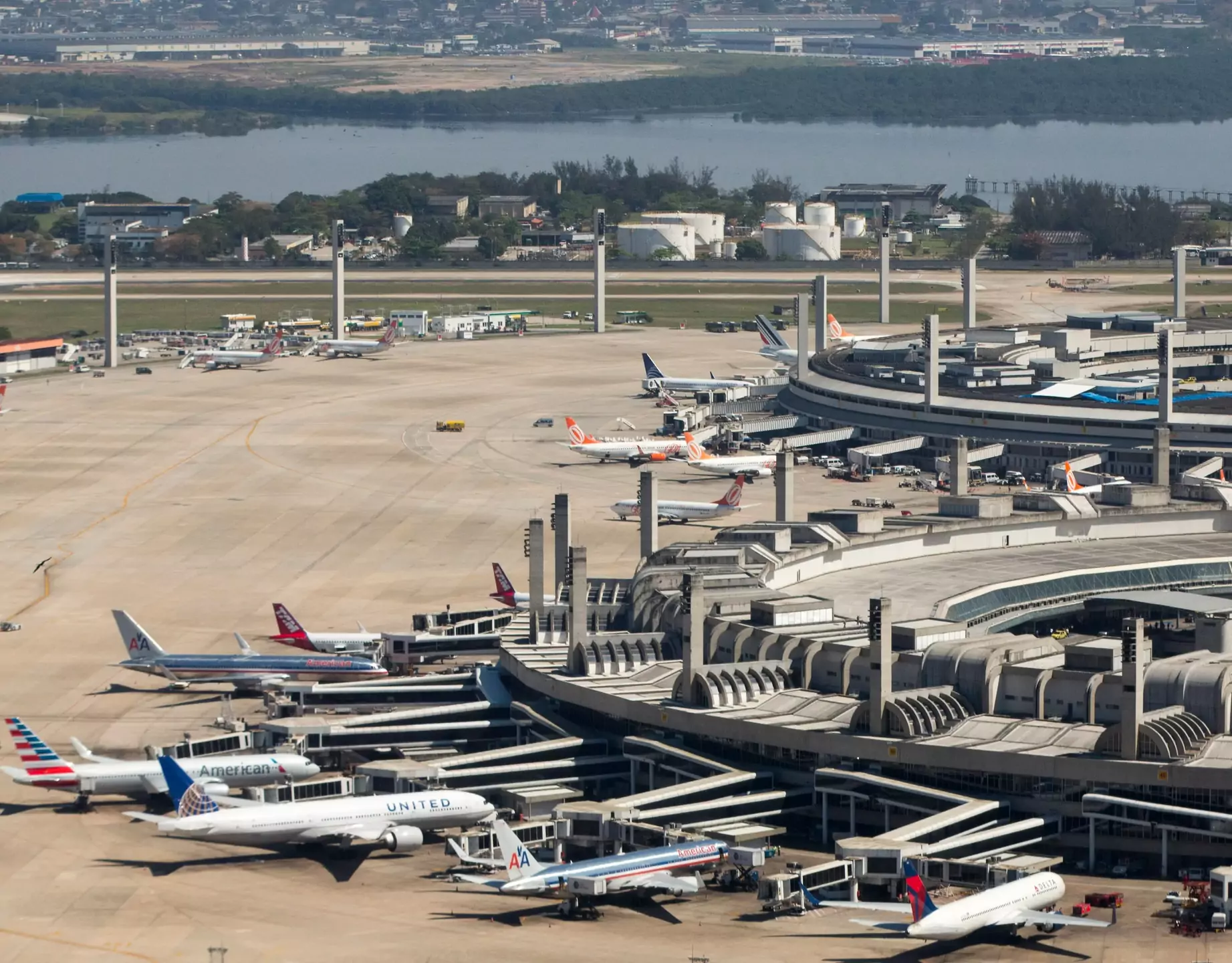
Rio de Janeiro–Galeão International Airport (GIG), located on Governador Island, is the main airport serving Rio de Janeiro. It operates as a hub for Gol Airlines and offers numerous flights connecting Brazil with the Americas, Europe and other global destinations. The airport is conveniently linked to Rio’s city center and popular tourist areas such as Copacabana by road and public transit.
Brasília International Airport (BSB) serves the nation’s capital and is a major domestic hub connecting all regions of Brazil. It’s a hub for Gol and LATAM and facilitates both business and governmental travel efficiently.
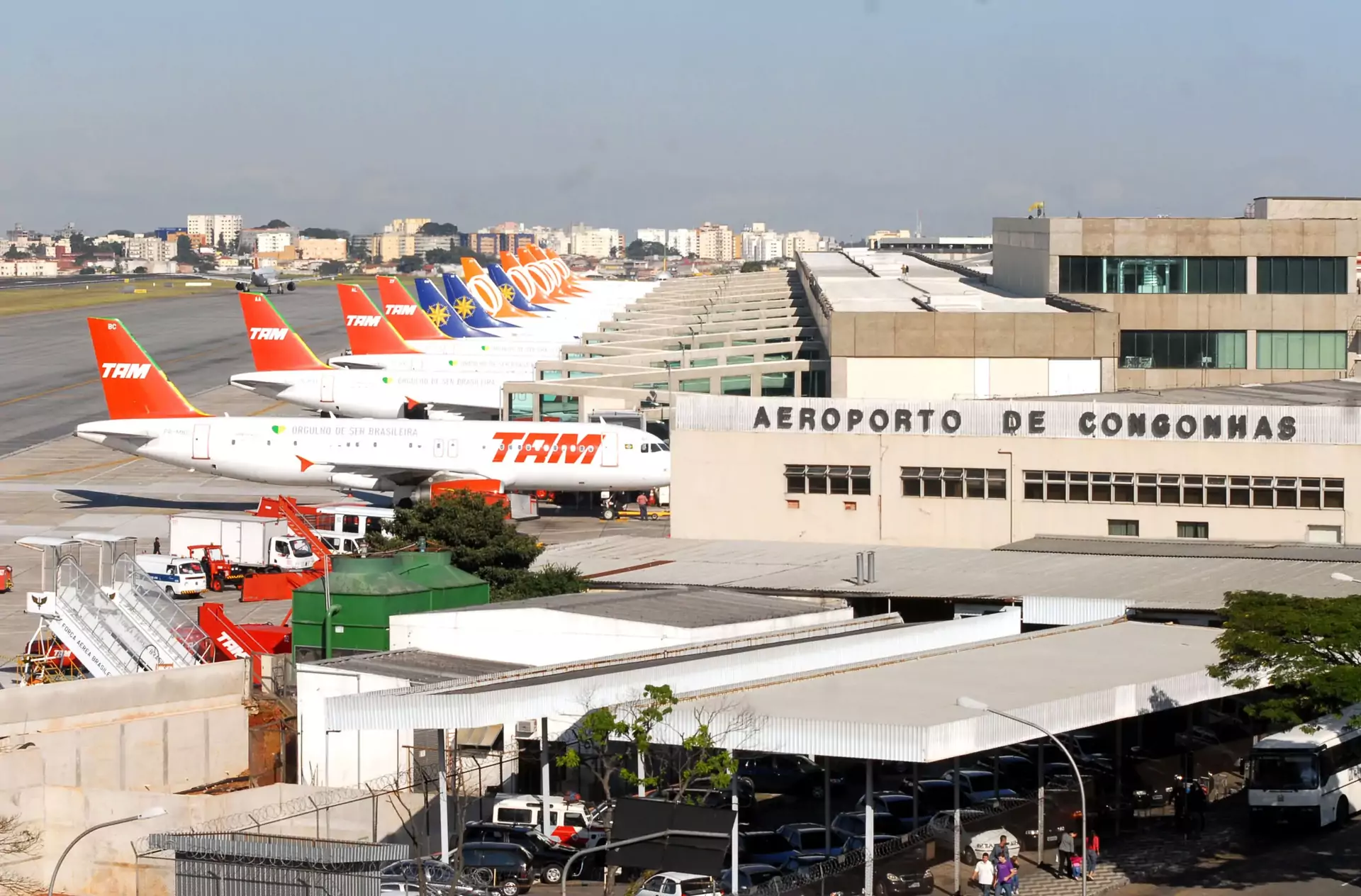
Congonhas Airport (CGH) in São Paulo is smaller but important for domestic flights, particularly short-haul routes, with a strong focus on speed and convenience.
Viracopos International Airport (VCP) in Campinas supports both passenger and cargo traffic and serves as a hub for the low-cost airline Azul, which is known for its extensive domestic flight network.
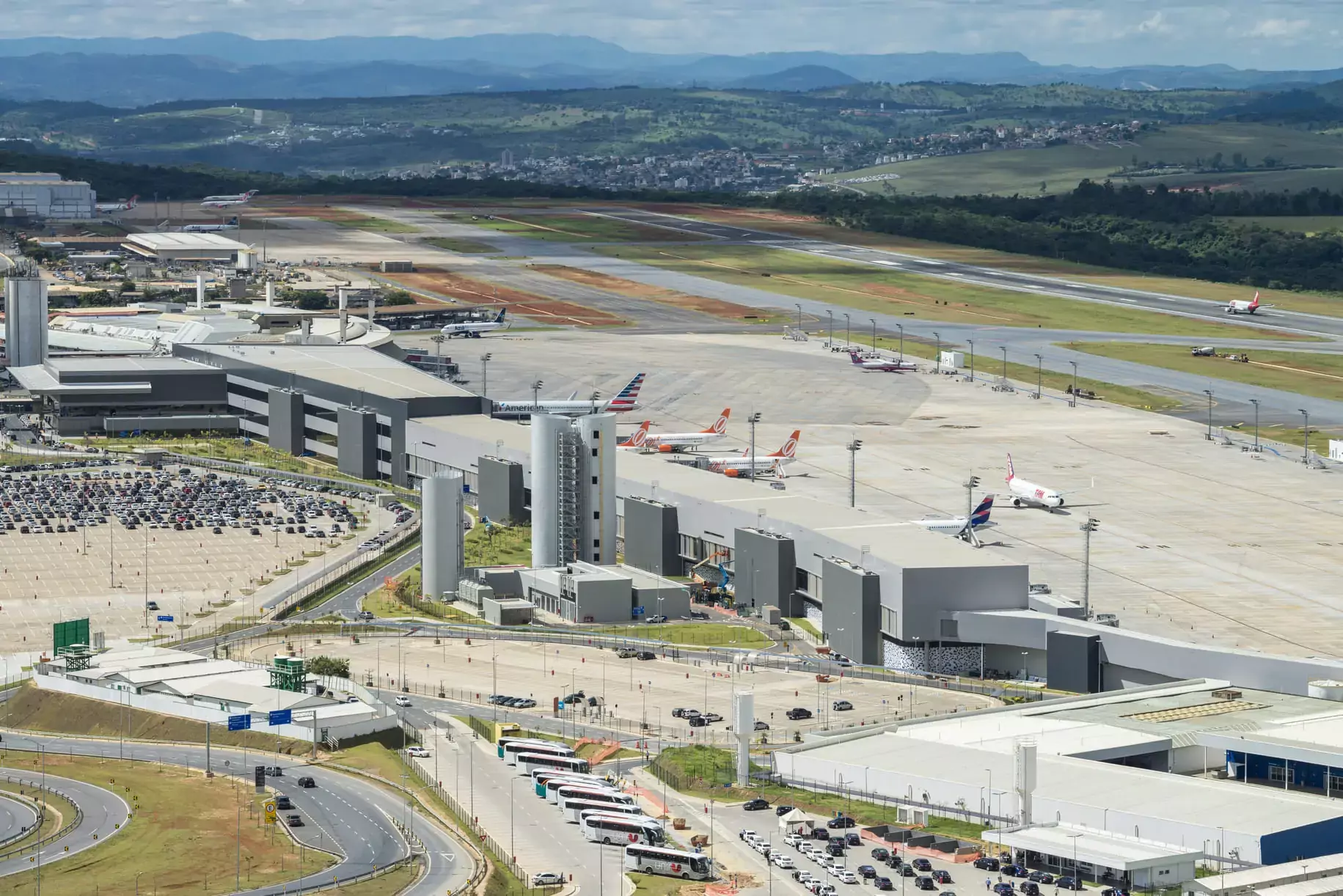
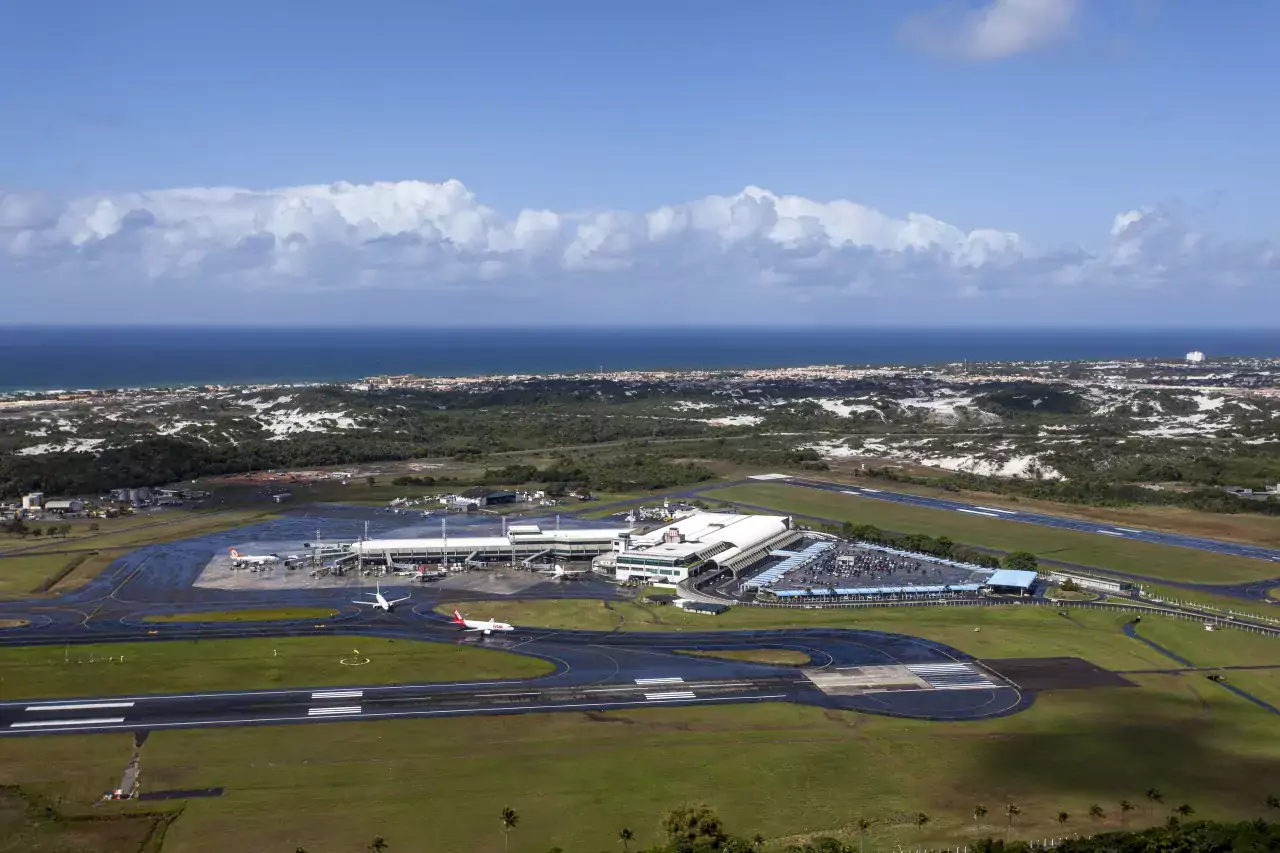
Other regional airports like Belo Horizonte–Tancredo Neves, Salvador, Fortaleza and Recife are integral to domestic connectivity and tourism. Airlines such as Gol and Azul have expanded their networks to include many cities, helping facilitate affordable travel options throughout Brazil. Gol, in particular, is noted as one of Brazil’s most popular low-cost carriers, operating flights across the country and neighboring South American countries. This wide range of airports combined with competitive airlines ensures Brazil maintains strong air links crucial for its economic and social activities.