Located in the main international terminal, this lounge offers comfortable seating, Wi-Fi, light snacks, alcoholic and non-alcoholic beverages, newspapers, and shower facilities. Access can be purchased or gained via certain frequent flyer programmes. It's perfect for relaxing away from busy gates but requires advance booking to ensure availability.
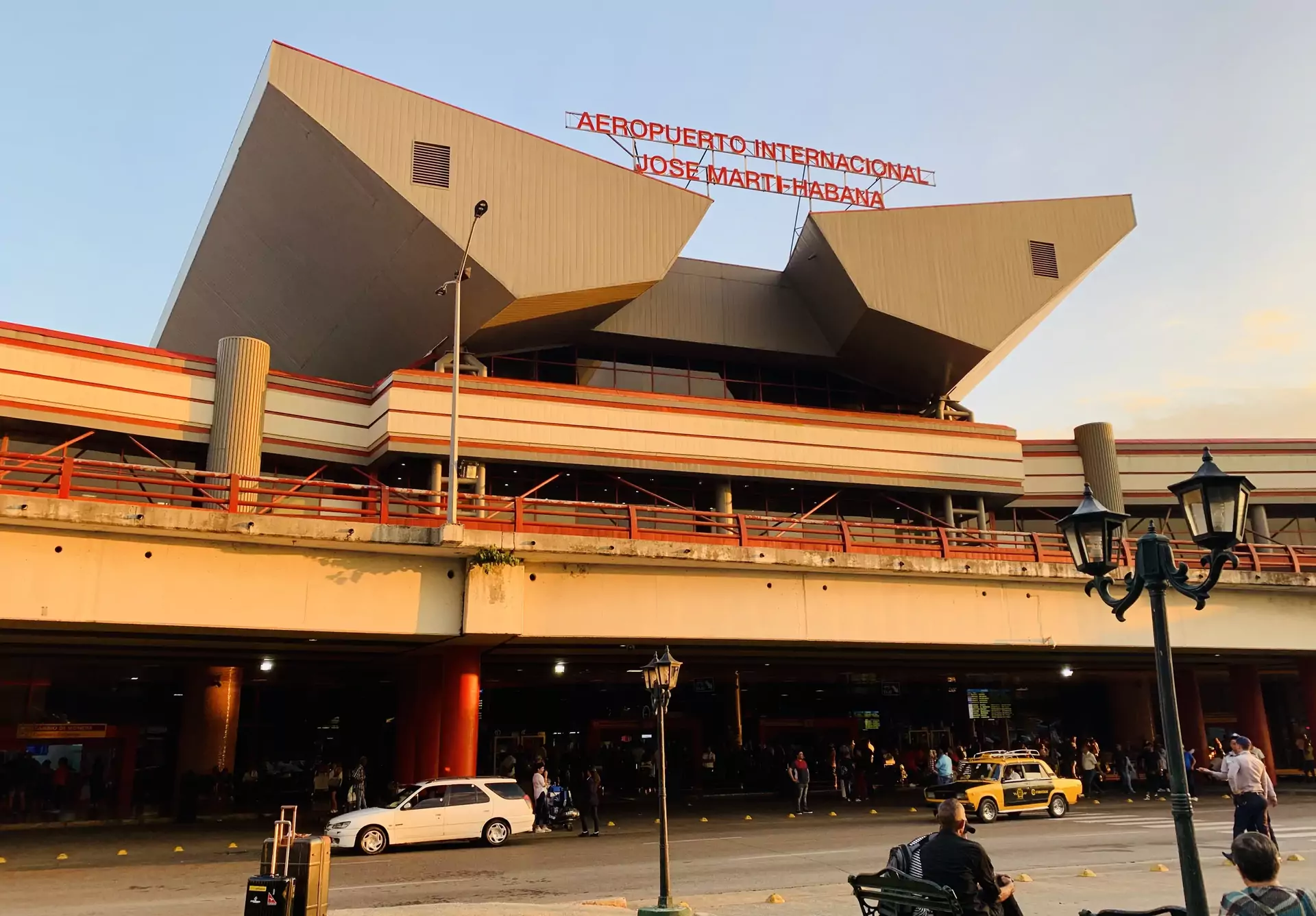
Jose Martí International Airport serves as Cuba’s main gateway to the world. Located near Havana, it handles most international flights and connects travelers from across North America and beyond. The airport has modern facilities including baggage claim areas, currency exchange counters and dining options for passengers. It operates daily with scheduled services from major airlines such as American Airlines, Delta Air Lines and Aerogaviota. The terminal provides clear signage in English and Spanish to assist visitors navigating customs and immigration processes efficiently.
| Power Grid: |
110 V, 60 Hz Plug: Type A , Type B
Type A:
Read about power adapters |
|---|---|
| Currency: |
Cuban Peso (CUP) £1 ≈ CUP 31.96 |
| Cashless info: |
Rating 2/5
Cashless payments are not widely accepted in Cuba, and credit cards from U.S. banks do not work. Cash is essential. Most transactions are done in Cuban Pesos (CUP); the Convertible Peso (CUC) was abolished in 2021.
Save with a travel credit card |
| eSIM providers: | We cannot recommend an eSIM provider for this country. We advise getting a local SIM card. |
| Tipping: | Tipping is common in Cuba, especially in restaurants, with a typical tip ranging from 5-10%. It is also appreciated by hotel staff and tour guides. |
|---|---|
| Public drinking: | Public drinking is generally not allowed in Cuba, particularly in areas like streets and parks, though alcohol is served in licensed venues like bars and restaurants. |
| Public smoking: | Smoking is prohibited in indoor public spaces like restaurants and public transport, but smoking is allowed in designated outdoor areas. |
| Liberation Day (1 January) |
National holiday celebrating the triumph of the 1959 revolution |
|---|---|
| Christmas (25 December) |
Celebrated with family gatherings and local festivities |
| Emergency contact: | Emergency Numbers: 106 (Police), 104 (Ambulance), 105 (Fire) |
|---|---|
| Taxi apps: | Uber (limited availability in some areas) |
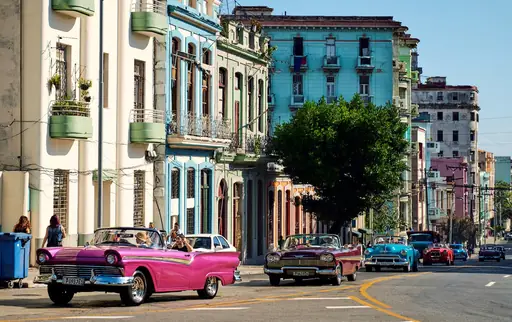
| Other: | Cuba is famous for its history, culture, and natural beauty, including pristine beaches and colonial architecture. While the country is still developing, it remains a popular destination for travellers. |
José Martí International Airport is named after Cuba’s national hero and poet, evoking a sense of pride as you arrive in Havana. The airport serves as a central node linking Cuba with North, Central and South America as well as Europe, handling over four million passengers annually. Its five terminals separate domestic, international and charter flights, with Terminal 3 being the main hub for international arrivals and departures.
Travelers can expect a mix of modern amenities and some humbling realities here. While the airport offers essential facilities such as ATMs, currency exchange, medical services, Wi-Fi (for a fee) and dining options, infrastructure may appear dated and sometimes crowded, especially during peak times. Services like luggage handling and taxi availability are generally reliable but can demand patience.
A highlight is the presence of two VIP lounges offering comfortable seating, complimentary drinks, snacks and Wi-Fi, providing travelers a calm retreat from the lively terminal atmosphere. However, English proficiency among staff can vary and it is wise to prepare for limited language assistance. Currency exchange is convenient but beware of fluctuating rates if exchanging outside official desks.
Security checks and customs can be slower than what some travelers expect, so extra time is advisable. Transportation options to Havana, about a 30-45 minute trip by car or taxi, include taxis, airport shuttles and public buses, but schedules may be irregular and taxis expensive relative to local income. Overall, José Martí International Airport offers a fascinating introduction to Cuba’s unique blend of warmth, rhythm and logistical quirks.
Helpful tips for José Martí International Airport
- Arrive at least three hours before departure to navigate security and customs.
- Use the airport's free Wi‑Fi, but verify connection speeds; consider a local SIM for reliable data access during transit.
- Check visa requirements beforehand: U.S. citizens need a tourist card or visa, while other nationals must confirm entry permits.
- Explore the historic terminal’s art deco architecture and nearby Plaza de la Revolución; locals often recommend visiting before dawn for quieter streets.
Available airport lounges
This lounge serves passengers on U.S. charter flights and offers a quieter atmosphere with complimentary refreshments, workstations, and Wi-Fi. Access policies are similar to Terminal 3. The lounge provides a welcome respite, though some amenities may be more limited than Terminal 3.
Where to stay near José Martí International Airport
Most travelers stay in Havana city, around 20 km from the airport, where a variety of accommodations range from boutique hotels and colonial guesthouses to larger international-style hotels. The area around the airport itself has limited lodging options, so planning stays in central Havana is recommended for the best experience.
Hotel recommendations
How to get from Havana Airport to popular destinations
To Havana city:
Havana is 20 km northeast of the airport. Transport includes taxis (approximately 30-45 minutes, US$25 – 35 (£18.69 – 26.17)), airport shuttle buses (cheaper but infrequent and less predictable), and car hire. Taxis offer the fastest option but always agree on the fare beforehand. Public buses exist but may be confusing and slow for tourists.
To Varadero:
Varadero, a popular beach destination about 140 km east, can be reached by arranged shuttle services, taxis, or hire cars. The journey takes roughly 2 hours by road. Booking transport in advance is advisable for comfort and reliability.
To Viñales:
Viñales, known for its stunning landscapes, lies about 160 km west. Travel options include hire cars or organised tours departing from Havana. The trip takes roughly 2.5 to 3 hours, so planning accordingly is important.