Hartsfield–Jackson Atlanta International Airport in Atlanta, Georgia, has consistently been the busiest airport in North America and the world, serving as a major hub for Delta Air Lines, offering extensive domestic and international routes. Located just south of downtown Atlanta, it benefits from a highly efficient connector system, linking to neighbouring cities and states.
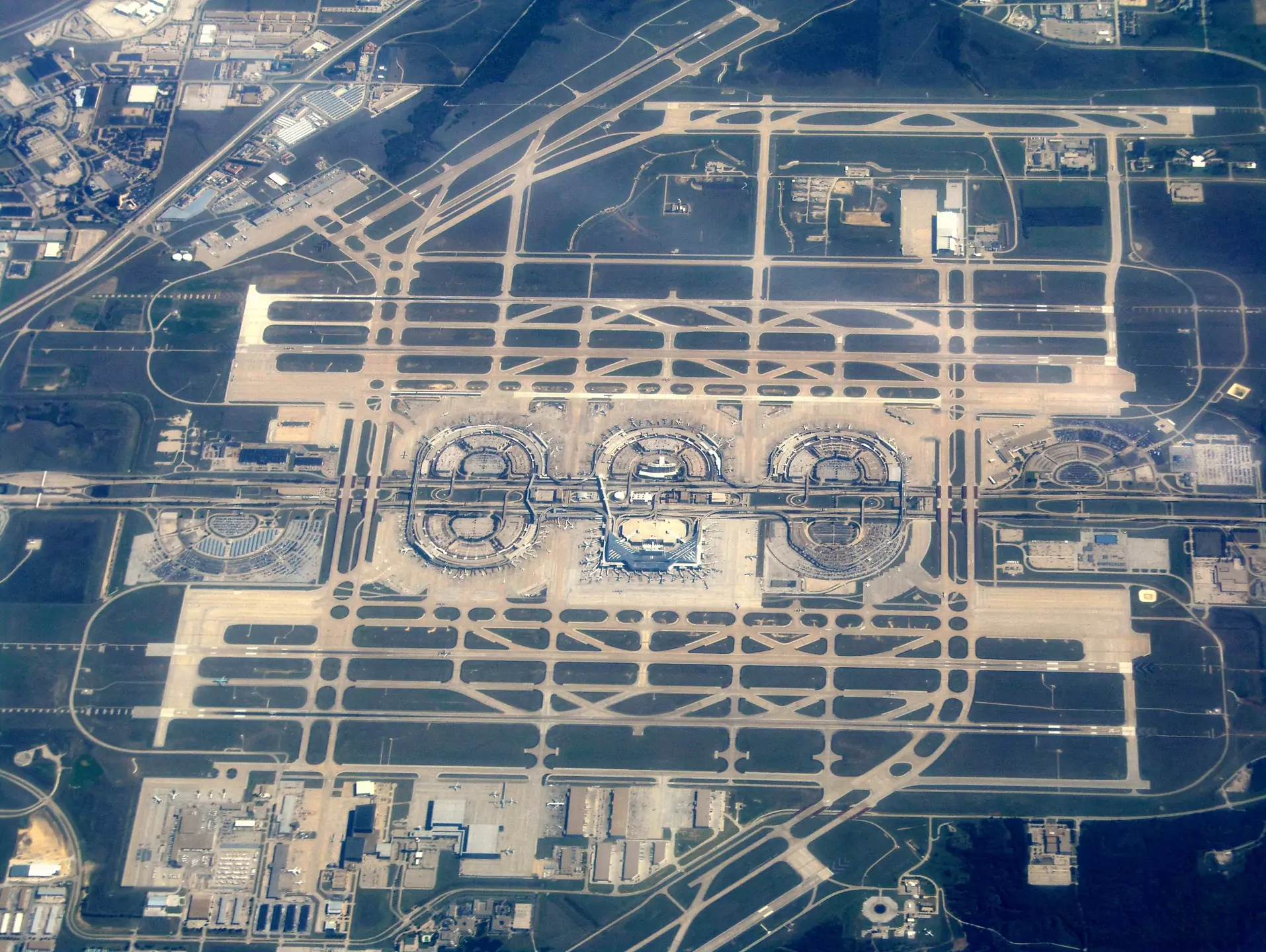
Dallas/Fort Worth International Airport in Texas is a key hub for American Airlines and is geographically well-positioned to connect travellers across the U.S., Latin America and Asia. It sits centrally between Dallas and Fort Worth and is known for its large land area and state-of-the-art facilities.
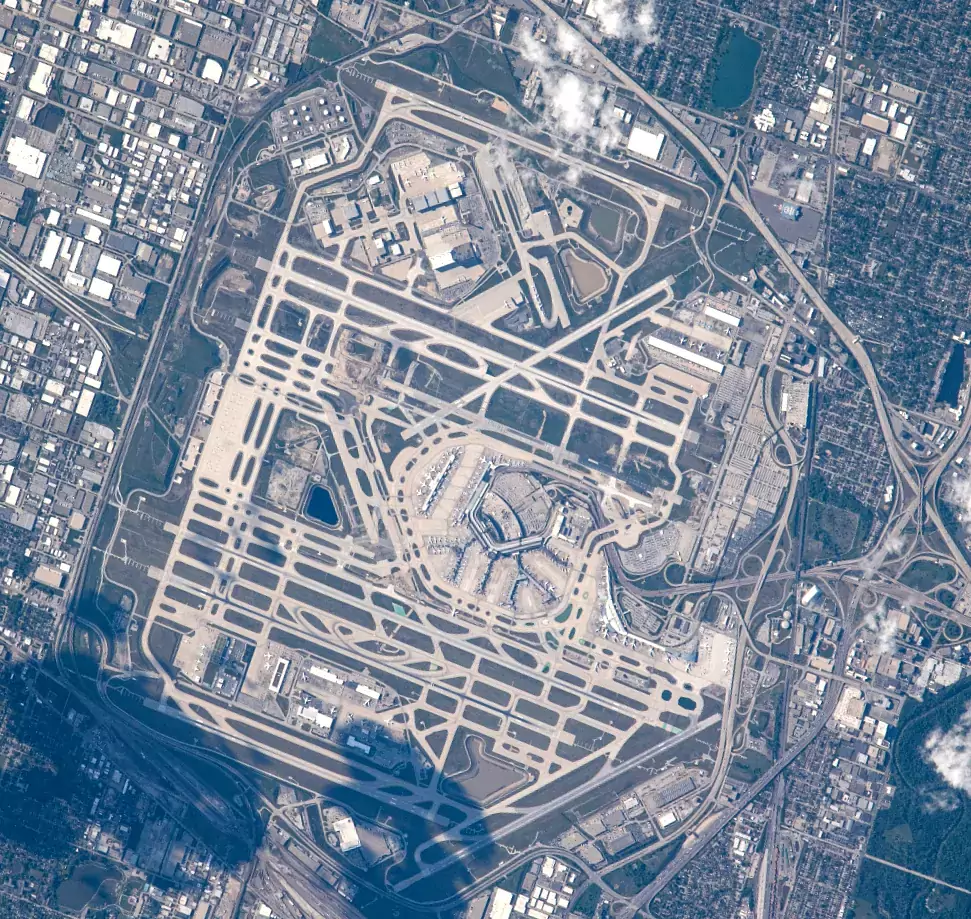
Chicago O'Hare International Airport, serving as a major hub for both American Airlines and United Airlines, is one of the busiest airports in the country. It is located northwest of Chicago's downtown and offers frequent connections to major U.S. cities and international destinations.
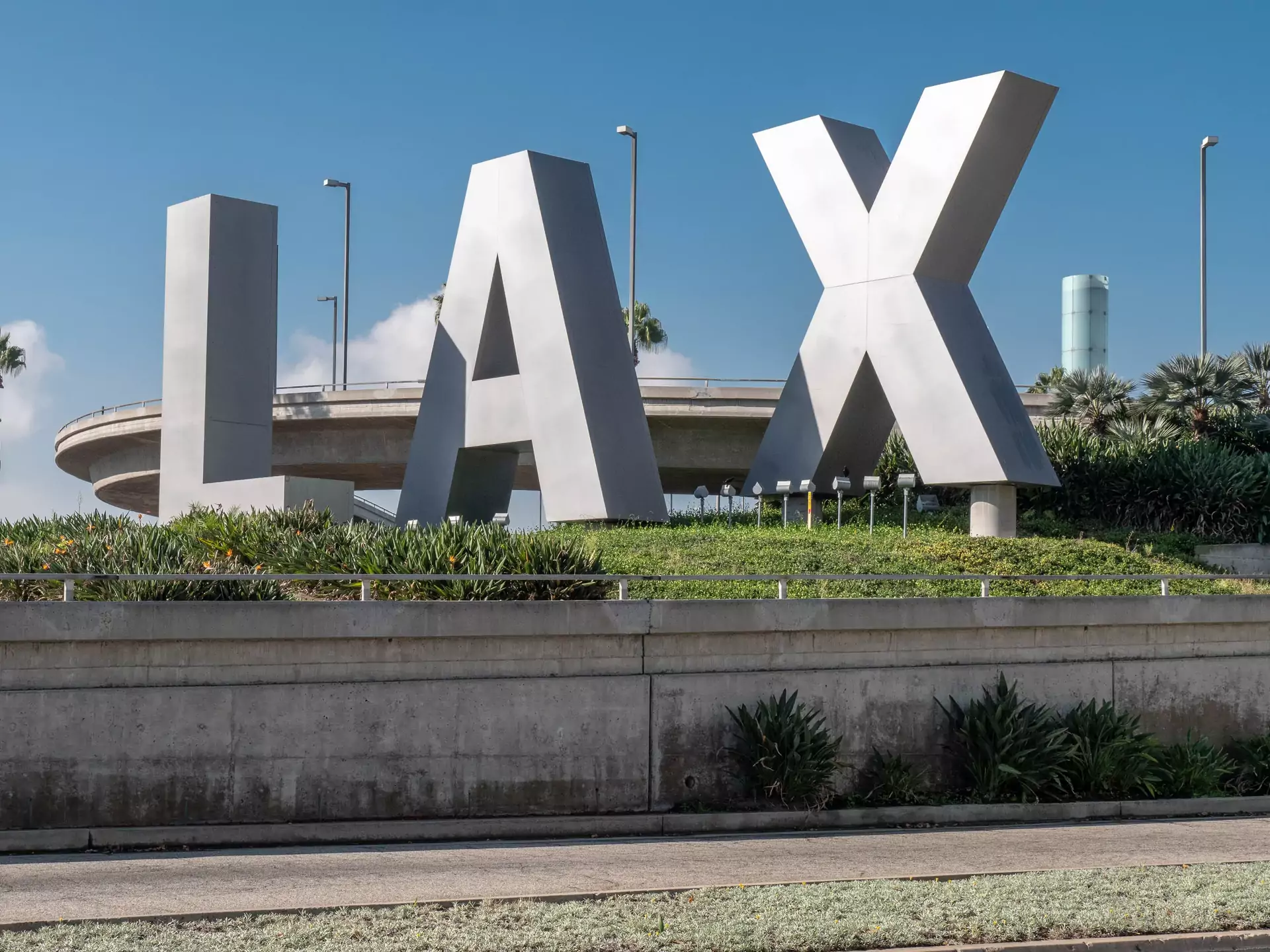
Los Angeles International Airport (LAX) is a crucial West Coast hub with strong global connectivity, serving as a major base for American Airlines, Delta Air Lines and United Airlines. It offers connections across the Pacific, Europe and the Americas.
Miami International Airport serves as a gateway to Latin America and the Caribbean, primarily as a hub for American Airlines. It is strategically located near downtown Miami, catering to a large volume of international traffic.
Toronto Pearson International Airport is Canada’s busiest airport and the main hub for Air Canada. Located west of downtown Toronto, Pearson serves as a key connection point for flights across North America, Europe and Asia.
Mexico City International Airport, recently replaced by the new Felipe Ángeles International Airport but still operational, is Mexico’s largest air travel hub, connecting Latin America with North America and beyond. It serves as the primary hub for Aeroméxico.
Low-cost carriers have grown significantly, particularly in secondary airports such as Fort Lauderdale-Hollywood International Airport (a Southwest Airlines base) and Las Vegas Harry Reid International Airport, which both attract many budget-conscious travellers. Also notable are airports like Orlando International Airport, favoured for leisure travel with multiple carriers including low-cost airlines.
Other important hubs include Seattle-Tacoma International Airport, a significant base for Alaska Airlines and Denver International Airport, which serves as a major hub for United Airlines and Southwest Airlines, with expansive reach across the U.S.
This diverse range of airports, combining full-service mega-hubs with vibrant low-cost carrier airports, reflects North America’s extensive and highly competitive air travel market, providing travellers with vast options for route choices, comfort and affordability.