









Airports › North America › Canada › Fort Albany Airport

Fort Albany Airport

Scroll
Remote gateway to pristine northern wilderness
Airport in Canada
2 destinations

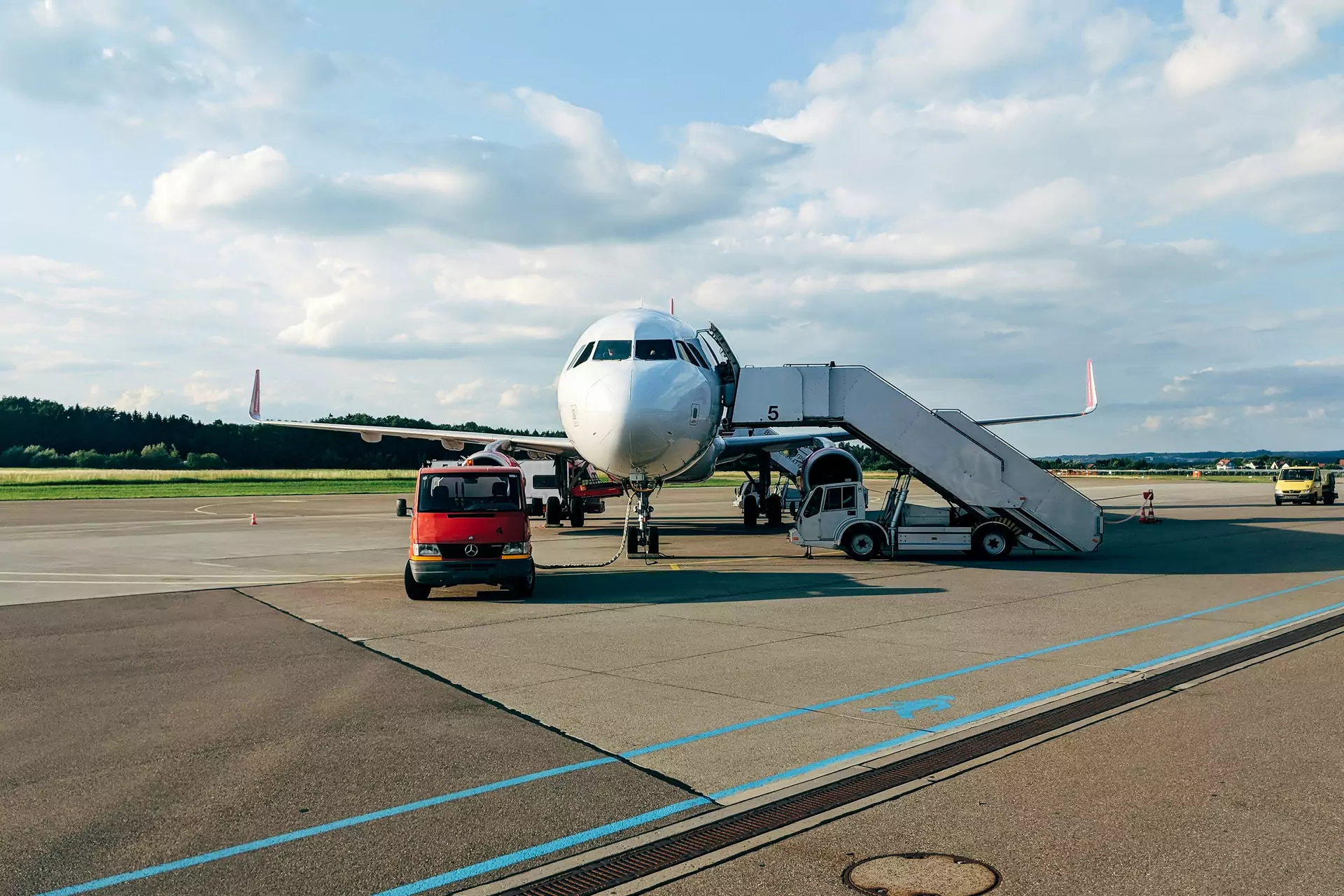
Fort Albany Airport serves a small community in northern Ontario, Canada. It provides essential air service to residents and supports local industries such as mining and forestry. The airport has a single paved runway suitable for small planes and is used year-round despite harsh weather conditions. Pilots often rely on clear skies and precise navigation due to limited facilities. This makes it an important link between remote areas and larger Canadian cities, ensuring supplies and connections remain steady throughout the seasons.

Last update: 12 Oct 2026
* We earn a commission from some links on this page.
Fort Albany Airport Summary
Fort Albany Airport is an airport near Fort Albany in Canada. It currently offers regular passenger service to 2 destinations operated by 2 airlines.
Top airlines
Logo of Thunder Airlines
Thunder Airlines (THU)
14 flights per week
Logo of Air Creebec
Air Creebec (YN)
14 flights per week
Top destinations
Cheapest destinations
Best destinations
Canada – Quick facts
Power Grid: 120 V, 60 Hz
Plug: Type A , Type B
Type A:
Diagram of a Type A power plug
Type B:
Diagram of a Type B power plug

Read about power adapters
Currency: Canadian Dollar (CAD)
£1 ≈ CA$1.87
Cashless info: Rating 5/5
Cashless payments are widely accepted, especially in urban areas. Most businesses accept credit and debit cards, and mobile payment options like Apple Pay are popular.

Save with a travel credit card
eSIM providers: Best value: Saily
Flexibility: Airalo
Read our in-depth comparison
Tipping: Tipping is customary in Canada, with a typical tip of 10-20% in restaurants. Tipping is also expected in taxis and for hotel staff, usually 1-2 CAD for bellhops and housekeepers.
Public drinking: Public drinking laws vary by province, but it's often allowed in designated areas such as festivals or certain parks.
Public smoking: Smoking is prohibited indoors in public spaces and in most outdoor spaces in urban areas. Some provinces have stricter laws than others.
Canada Day
(July)
The country celebrates with fireworks and festivals. Expect crowded tourist spots and high demand for accommodations.
Thanksgiving
(October)
A major family holiday with many businesses closed, especially in rural areas.
Christmas
(December)
Festive markets and winter activities are popular, but expect higher accommodation prices and busy cities.
Emergency contact: Emergency Number: 911 (Police, Fire, Ambulance)
Taxi apps: Uber, Lyft, Bolt
Other: Canada is vast, so be prepared for long distances between cities and varying weather conditions depending on the region.
Was this page helpful?
Feedback