Open daily from 6:00 to 21:00 near gates 5 and 7 past security, the Jable VIP Lounge offers a peaceful retreat with complimentary drinks, snacks, Wi-Fi, and comfortable seating. Access is by lounge membership, airline class, or paid entry. Facilities include a separate smoking terrace and accessibility options.
Gran Canaria Airport serves as a key gateway to Spain’s Canary Islands. Located in Las Palmas, it handles flights from Africa and Europe year-round. The airport connects travelers to beaches, mountains and vibrant cities across the archipelago. Its modern facilities include shops, restaurants and efficient security checks. With direct routes from major hubs like Madrid and London, it supports both tourism and local travel. The terminal provides clear signage in Spanish and English, making navigation straightforward for international visitors seeking Spain’s island getaways.
| Power Grid: |
230 V, 50 Hz Plug: Type C , Type F
Type C:
Read about power adapters |
|---|---|
| Currency: |
Euro (EUR) £1 ≈ €1.19 |
| Cashless info: |
Rating 5/5
Cashless payment is widely accepted in Spain, particularly in urban areas and tourist destinations. Credit and debit cards are commonly used, and mobile payment options are available in many establishments.
Save with a travel credit card |
| eSIM providers: |
Best value: Saily Flexibility: Airalo Read our in-depth comparison |
| Tipping: | Tipping is not mandatory in Spain but appreciated for good service. In restaurants, rounding up the bill or leaving 5-10% is customary. Taxi drivers and hotel staff may also be tipped, though it is less common. |
|---|---|
| Public drinking: | Public drinking is restricted in some regions, particularly in tourist-heavy cities. Local laws may vary. |
| Public smoking: | Smoking is banned indoors in public places but allowed in designated outdoor areas. |
| La Tomatina (August) |
A famous tomato-throwing festival, expect large crowds in Buñol. |
|---|---|
| Semana Santa (March/April) |
Religious parades and events make this a busy time in major cities. |
| Christmas (December) |
Markets and festive celebrations, with tourist areas becoming busier. |
| Emergency contact: | Emergency Number: 112 (Police, Fire, Ambulance) |
|---|---|
| Taxi apps: | Cabify, Bolt, Uber |
| Other: | Spain is known for its diverse culture, stunning architecture, and vibrant festivals. Public transport is reliable and efficient, making it easy to explore. |
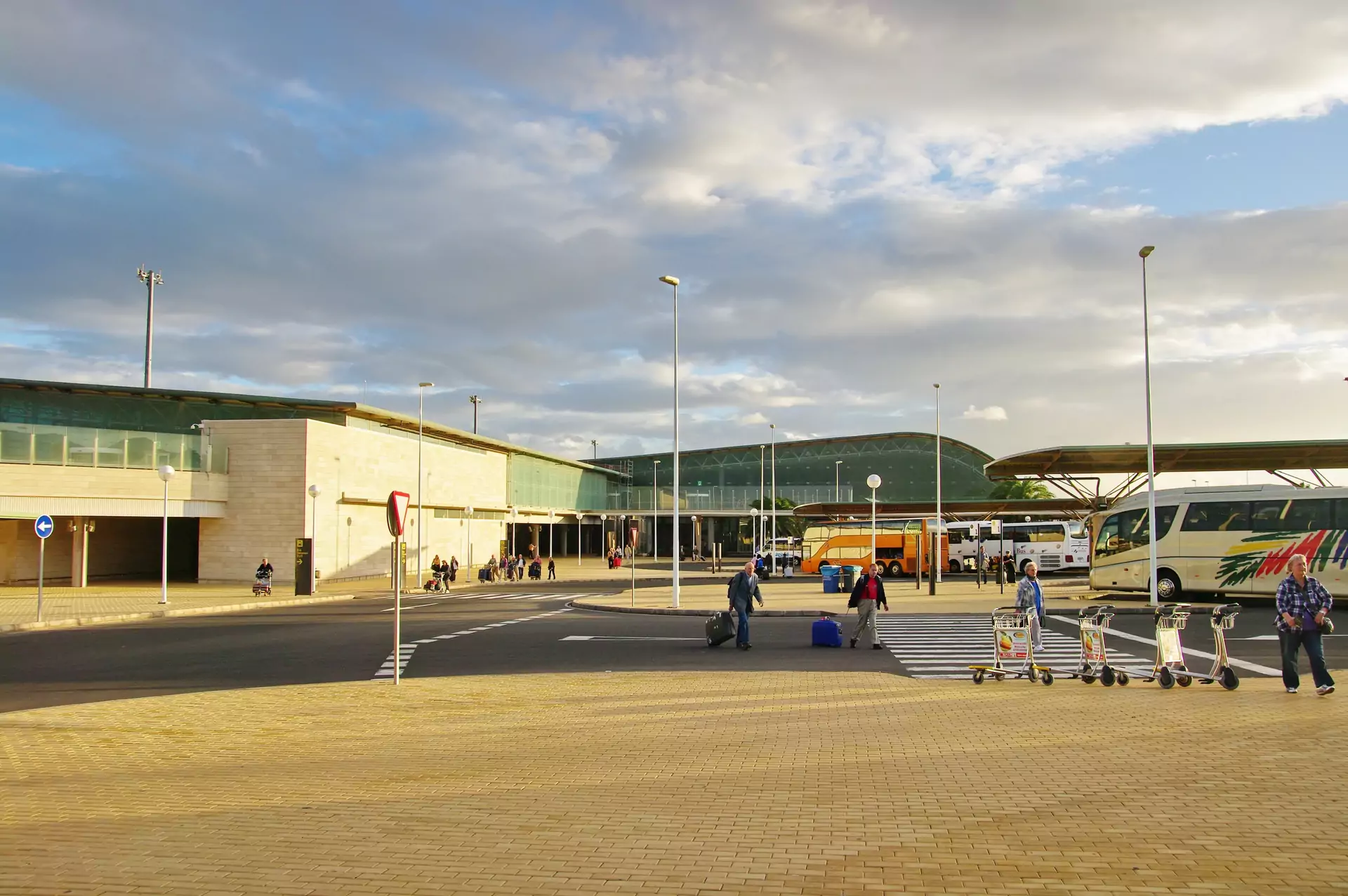
Fuerteventura Airport lies just 5 kilometers southwest of Puerto del Rosario, the island's capital. This single-terminal airport has grown steadily since its opening in 1969 and now manages around 8 million passengers capacity-wise, serving numerous European and domestic flights. The terminal encompasses 38,000 square meters and features 24 gates, with a mix of boarding bridges and remote stands accessed by bus.
The airport offers essential facilities including several cafes, duty-free shops and rental car services, though many travelers note that the food options are limited and generally expensive within the terminal. Security and check-in processes can become chaotic during peak times, with long queues reported, especially in summer seasons when tourism surges.
Travelers should prepare for occasional language barriers as English is moderately spoken but staff predominantly use Spanish. The atmosphere is friendly overall, but some travelers mention a lack of organization in security and slow passport control, which may test patience. The airport also handles a fair volume of holiday crowds, so early arrivals for flights are recommended.
Transportation options from the airport include bus lines to Puerto del Rosario and popular resorts like Caleta de Fuste and Morro Jable, taxis and rental cars. The taxi fares can be high, especially during peak times, so booking transfers in advance is often advisable. Despite some logistical challenges, Fuerteventura Airport remains a vital and straightforward entry point to the island.
Helpful tips for Fuerteventura Airport
- Arrive at least 90 minutes early for security and customs clearance.
- Check baggage allowance online before departure to avoid extra fees at Fuerteventura Airport (FUE).
- Use the free Wi‑Fi in the terminal, but note that signal may drop near the runway during peak hours.
- The airport’s proximity to the beach makes it convenient for last-minute surf gear rentals; local shops offer competitive prices.
Available airport lounges
Where to stay near Fuerteventura Airport
Accommodation near the airport mainly consists of mid-range hotels and resorts located a bit further in Puerto del Rosario and popular beach towns. Most visitors prefer staying near the coast in areas like Corralejo or Caleta de Fuste for better access to amenities and beaches rather than near the airport.
Hotel recommendations
How to get from Fuerteventura Airport to popular destinations
To Puerto del Rosario:
The capital city is just about 8 km from the airport. Several bus lines (no. 3 and 10) run frequently between the airport and Puerto del Rosario, costing roughly €3 (£2.52) per ride. The bus stop is outside the terminal building. Taxis offer a quicker, more convenient option but expect fares around €15 (£12.60) depending on traffic and time of day.
To Corralejo:
Visitors can reach Corralejo, about 45 km away, by hire car or taxi. Car hire start at around €20 (£16.79) per day, offering the freedom to explore the island at your own pace. Public transport to Corralejo is limited, so planning with a rental or organised transfer is recommended, especially for late arrivals.
To Caleta de Fuste:
Located approximately 8 km from the airport, Caleta de Fuste is accessible by bus (line no. 3) as well as taxis. Bus rides take about 15–20 minutes, while taxis offer a quick and direct route for around €15 (£12.60). Caleta de Fuste is a popular resort area with many hotels and facilities.