We use cookies and external services: MapTiler for interactive maps and Google Maps to show route duration/distance. Both may process personal data such as your IP address, including transfers outside the EU/EEA. See our privacy policy for details. By clicking ‘Accept all’, you consent to this.
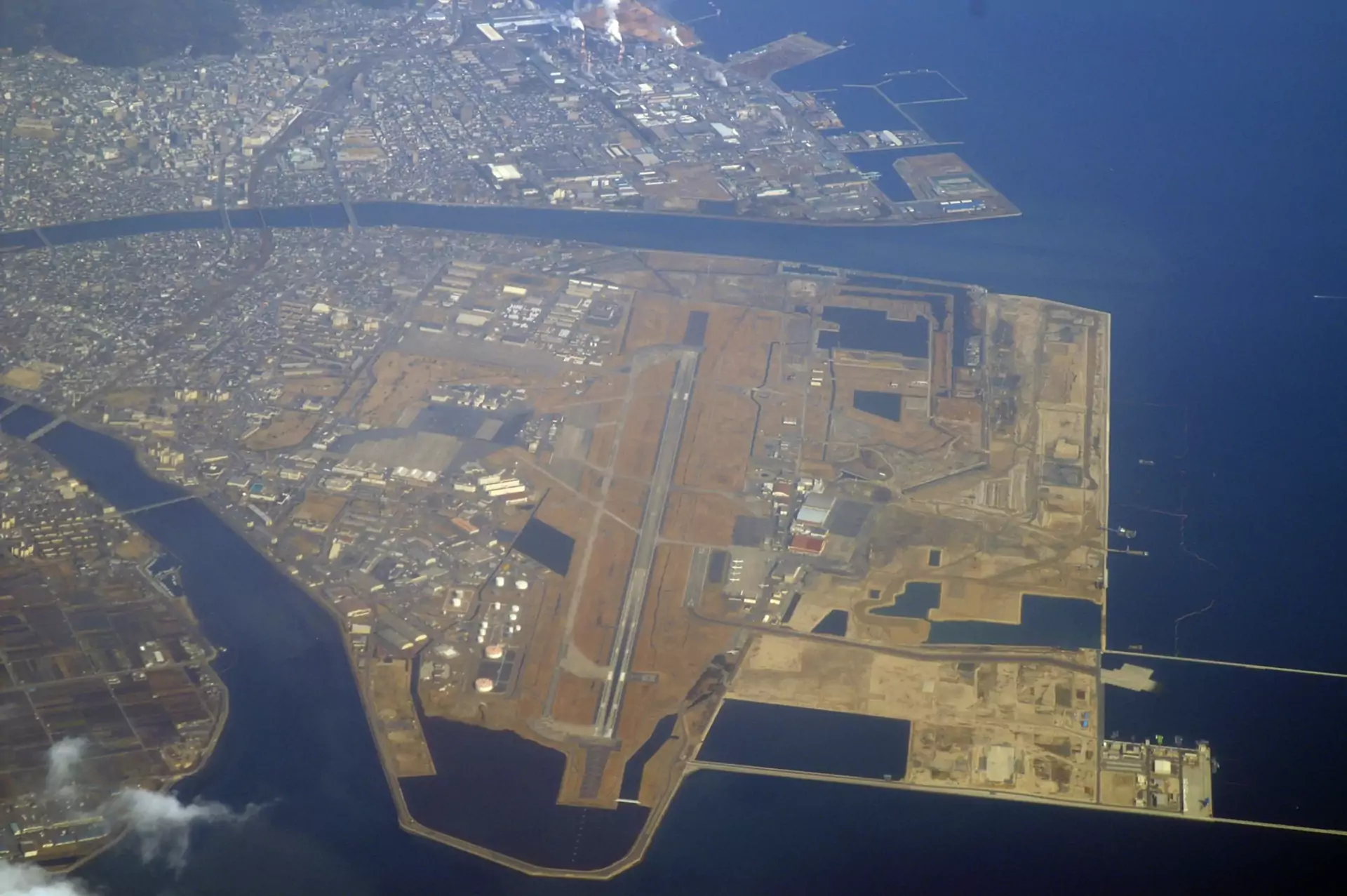
Yamaguchi’s Marine Corps Air Station Iwakuni serves as a key military facility on Japan’s western coast. Located near the Seto Inland Sea, it provides access to both coastal landscapes and inland cultural sites. The airport supports regional travel with domestic flights connecting travelers to major cities like Tokyo or Osaka. Nearby attractions include historic temples and scenic routes along the coastline. Its strategic location makes it a gateway for exploring local traditions and natural beauty while supporting business and leisure journeys across Japan’s diverse regions.
| Power Grid: |
100 V, 50 Hz Plug: Type A
Type A:
Read about power adapters |
|---|---|
| Currency: |
Japanese Yen (JPY) £1 ≈ JP¥210 |
| Cashless info: |
Rating 4/5
Cashless payments are becoming more common, especially in cities, with some shops still preferring cash. Be prepared for occasional cash-only situations in rural areas.
Save with a travel credit card |
| eSIM providers: |
Best value: Saily Flexibility: Airalo Read our in-depth comparison |
| Tipping: | Tipping is not customary in Japan and can be considered rude. Excellent service is the norm, and tipping is unnecessary in most places. |
|---|---|
| Public drinking: | Public drinking is legal and commonly accepted, particularly during festivals and events. |
| Public smoking: | Smoking is prohibited in indoor public places but allowed in designated outdoor areas. Some restaurants may have smoking sections. |
| New Year (January) |
One of the most important holidays, expect crowded temples and high prices. Plan ahead. |
|---|---|
| Golden Week (April-May) |
The busiest travel time, expect high demand for accommodation and transport. |
| Obon (August) |
A time to honour ancestors, many businesses close, and transport can be crowded. |
| Emergency contact: | Emergency Number: 110 (Police), 119 (Fire & Ambulance) |
|---|---|
| Taxi apps: | Uber, JapanTaxi, DiDi |
| Other: | Japan is a country of respect, so understanding local customs and etiquette is important. Public transport is efficient, but can be crowded during peak hours. |
Marine Corps Air Station Iwakuni is first and foremost a working military base home to thousands of U.S. Marines, sailors, Japanese Maritime Self-Defense Force personnel and their families. While it's not a typical commercial airport, it is sometimes accessible to the public during open house events and notable annual air shows which attract visitors from across the region. The sight and sound of modern fighter jets and support aircraft are part of the daily rhythm.
The air station is set along the scenic delta of the Nishiki River, creating almost cinematic scenery when military planes take off against the backdrop of Japan’s inland sea and distant mountains. Security is tight, access for civilians is highly restricted and pre-registration is mandatory for most special events or tours. In everyday life, only military personnel, their families and authorized guests may access base amenities and recreational facilities. There is no conventional shopping, sightseeing or commercial flight experience here – it's a secure operational installation.
A word of caution: accommodation is unavailable for tourists within the base and language support outside English and Japanese is limited. The site is quite isolated from town centers and has only limited local transportation. For those with the right permissions, time spent inside offers a unique insight into Japan’s role in the U.S. military alliance, but travelers should always respect strict regulations and local sensitivities.
For most travelers, Iwakuni city itself – with its famous Kintai Bridge, samurai history and cherry blossoms – is the main draw and the air station’s international airfield is rarely the primary arrival point for leisure trips.
Where to stay near Marine Corps Air Station Iwakuni
Civilian visitors typically stay in Iwakuni city, where options range from business hotels to traditional ryokan near scenic and historic sites; the base itself does not host non‑military guests.
Hotel recommendations
How to get from Iwakuni Airport to popular destinations
To Iwakuni City Center:
Access between the air station and Iwakuni city is by taxi, bus, or on foot (about 7 km to the Kintai Bridge area). There are local buses during the day, but schedules may be limited. Civilian entry onto the base is generally restricted except for pre-approved events.
To Hiroshima:
To reach Hiroshima, take a local or shinkansen train from Iwakuni Station (separate from the air base) with a total journey under an hour. Taxis or buses link the station and city airport. Civilian transport to and from the base requires advance permission.
To Kintai Bridge (Kintaikyo):
The iconic Kintai Bridge, one of Japan’s most celebrated wooden arch bridges, is about 20 minutes by car or 40 minutes by local bus from the air station. Most travellers reach it via Iwakuni Station and then connect to buses or taxis.