

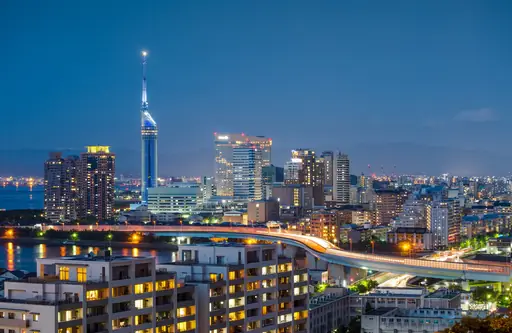
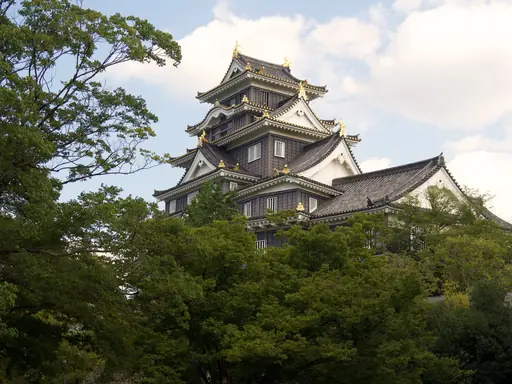
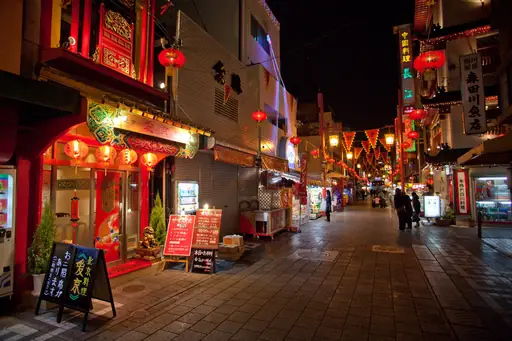
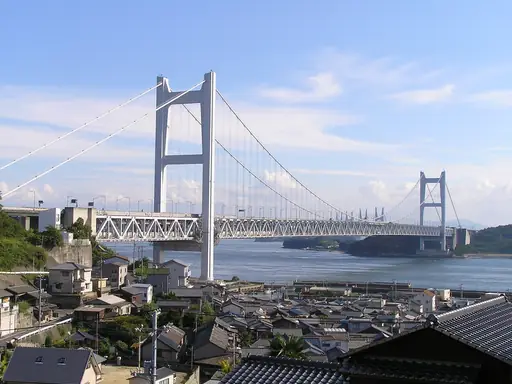

CC BY-SA 4.0, via Wikimedia Commons
Airports › Asia › Japan › Tajima Airport

Tajima Airport

Scroll
Gateway to scenic western Japan’s hidden gems
Airport in Japan
Mainly serving (3 km)
1 destinations

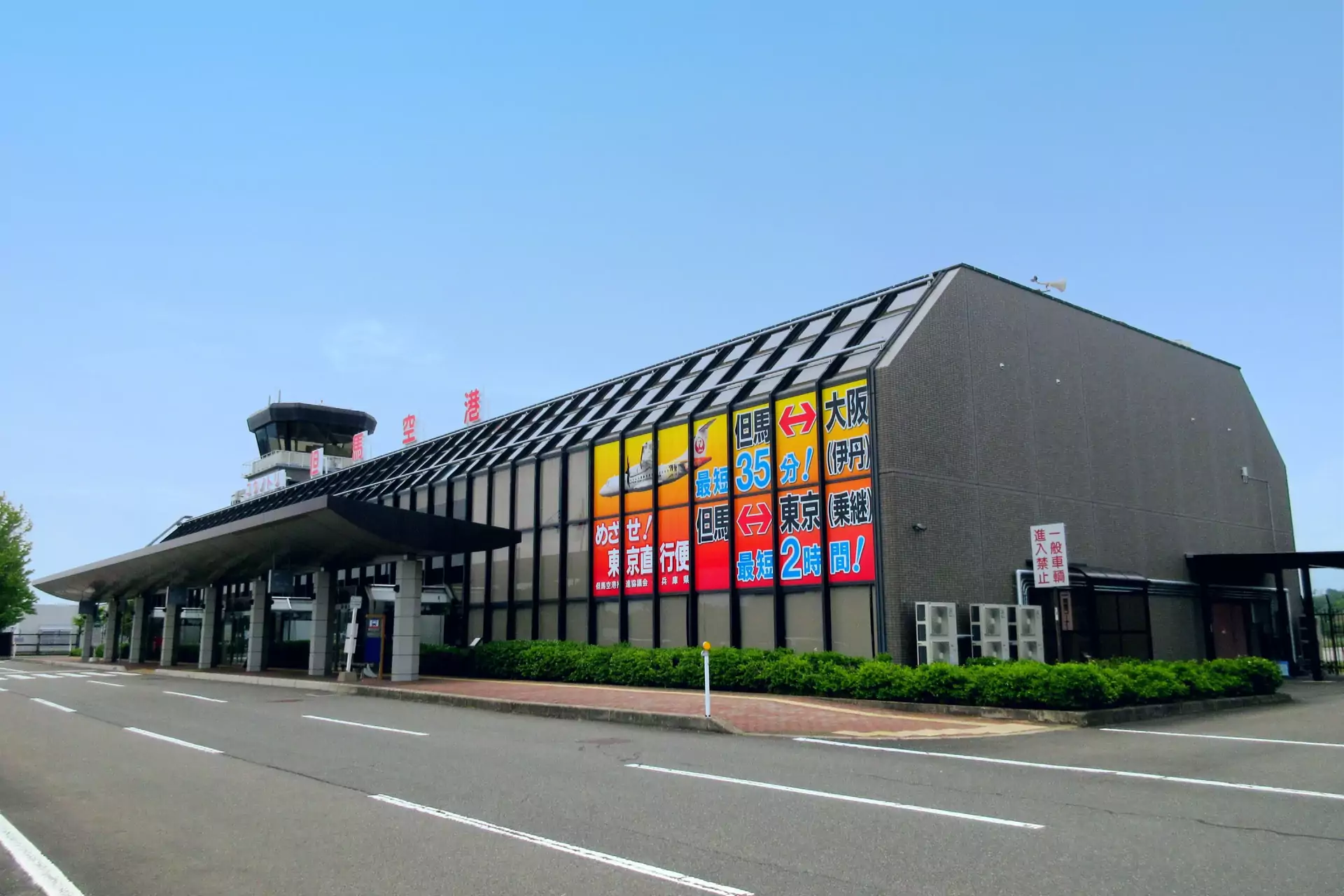
Tajima Airport serves a quiet region in Japan’s Hyogo Prefecture along the Seto Inland Sea. The facility handles domestic flights and connects travelers to nearby towns known for traditional crafts, coastal views and local festivals. Its design reflects regional architecture with simple materials that match the surrounding environment. Ground transportation includes buses and rental cars linking passengers to fishing villages and historic sites. The airport maintains regular schedules throughout the year, supporting both business trips and leisure visits without unnecessary complexity.

Last update: 12 Oct 2026
* We earn a commission from some links on this page.
Tajima Airport Summary
Tajima Airport is an airport near Toyooka in Japan. It currently offers regular passenger service to 1 destinations operated by 1 airlines.
Top airlines
Logo of Hokkaido Air System
Hokkaido Air System (6L)
14 flights per week
Top destinations
Cheapest destinations
Best destinations
Japan – Quick facts
Power Grid: 100 V, 50 Hz
Plug: Type A
Type A:
Diagram of a Type A power plug

Read about power adapters
Currency: Japanese Yen (JPY)
£1 ≈ JP¥210
Cashless info: Rating 4/5
Cashless payments are becoming more common, especially in cities, with some shops still preferring cash. Be prepared for occasional cash-only situations in rural areas.

Save with a travel credit card
eSIM providers: Best value: Saily
Flexibility: Airalo
Read our in-depth comparison
Tipping: Tipping is not customary in Japan and can be considered rude. Excellent service is the norm, and tipping is unnecessary in most places.
Public drinking: Public drinking is legal and commonly accepted, particularly during festivals and events.
Public smoking: Smoking is prohibited in indoor public places but allowed in designated outdoor areas. Some restaurants may have smoking sections.
New Year
(January)
One of the most important holidays, expect crowded temples and high prices. Plan ahead.
Golden Week
(April-May)
The busiest travel time, expect high demand for accommodation and transport.
Obon
(August)
A time to honour ancestors, many businesses close, and transport can be crowded.
Emergency contact: Emergency Number: 110 (Police), 119 (Fire & Ambulance)
Taxi apps: Uber, JapanTaxi, DiDi
Other: Japan is a country of respect, so understanding local customs and etiquette is important. Public transport is efficient, but can be crowded during peak hours.
Was this page helpful?
Feedback