Located landside near the domestic security control, this lounge offers free access to premium credit card holders, or entry for JP¥1,100 (£5.20) per adult (children 4–13 half price, under 4 free). Open 7:00am–5:00pm, it features simple snacks, drinks, comfortable seating, charging, and WiFi. It closes earlier than some flights, so plan accordingly; access is open to both departing and arriving passengers.
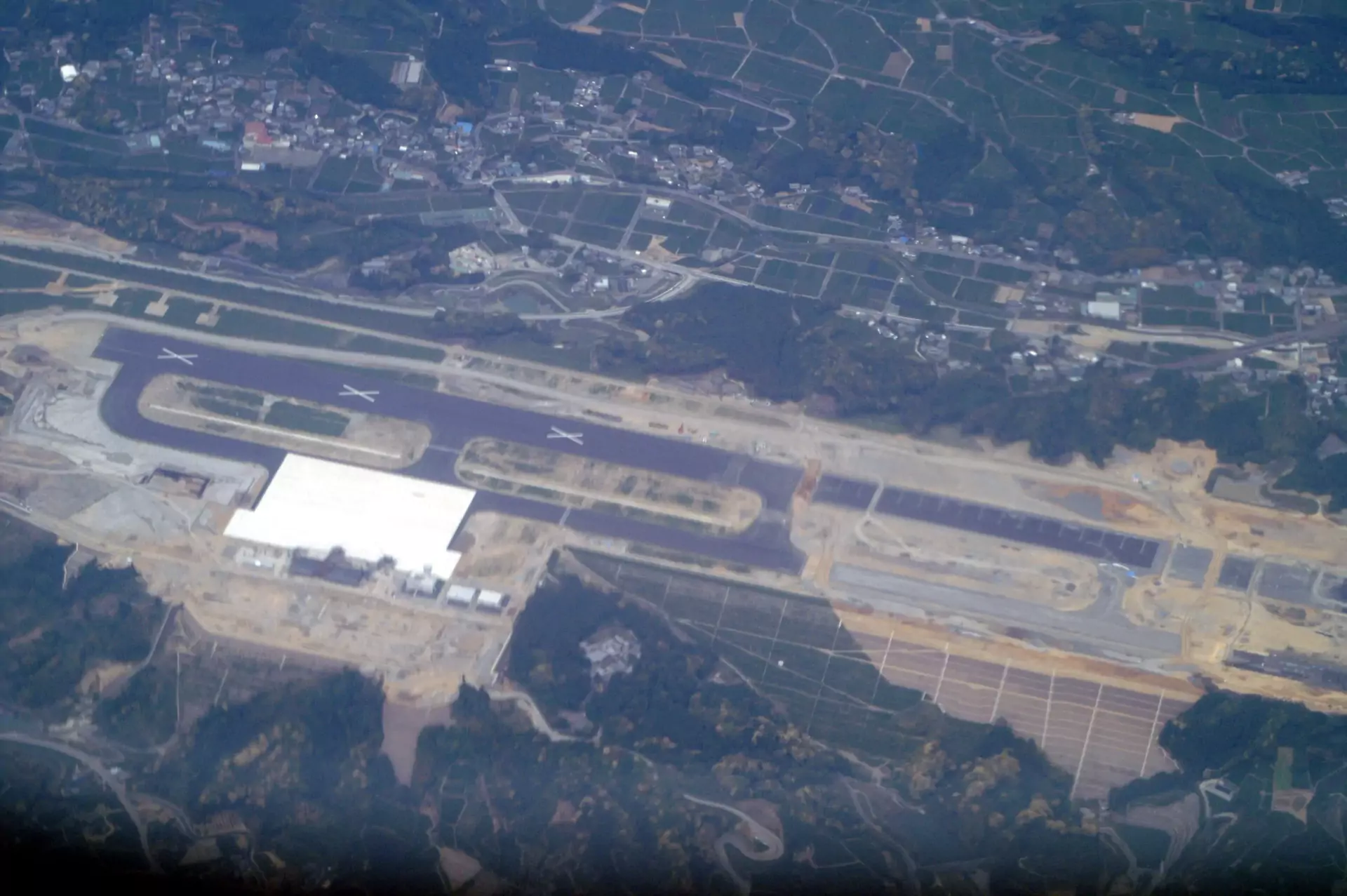
Shizuoka Airport serves as a gateway to central Japan’s Shizuoka Prefecture, located near Mount Fuji and the Pacific coast. The facility handles domestic flights from major cities like Tokyo and Osaka connecting travelers with local attractions such as tea plantations, coastal towns and mountain trails. Ground transportation options include buses and rental cars for exploring nearby hot springs or scenic routes along the Izu Peninsula. The airport provides essential services including currency exchange, dining and luggage assistance to support smooth arrivals and departures.
| Power Grid: |
100 V, 50 Hz Plug: Type A
Type A:
Read about power adapters |
|---|---|
| Currency: |
Japanese Yen (JPY) £1 ≈ JP¥210 |
| Cashless info: |
Rating 4/5
Cashless payments are becoming more common, especially in cities, with some shops still preferring cash. Be prepared for occasional cash-only situations in rural areas.
Save with a travel credit card |
| eSIM providers: |
Best value: Saily Flexibility: Airalo Read our in-depth comparison |
| Tipping: | Tipping is not customary in Japan and can be considered rude. Excellent service is the norm, and tipping is unnecessary in most places. |
|---|---|
| Public drinking: | Public drinking is legal and commonly accepted, particularly during festivals and events. |
| Public smoking: | Smoking is prohibited in indoor public places but allowed in designated outdoor areas. Some restaurants may have smoking sections. |
| New Year (January) |
One of the most important holidays, expect crowded temples and high prices. Plan ahead. |
|---|---|
| Golden Week (April-May) |
The busiest travel time, expect high demand for accommodation and transport. |
| Obon (August) |
A time to honour ancestors, many businesses close, and transport can be crowded. |
| Emergency contact: | Emergency Number: 110 (Police), 119 (Fire & Ambulance) |
|---|---|
| Taxi apps: | Uber, JapanTaxi, DiDi |
| Other: | Japan is a country of respect, so understanding local customs and etiquette is important. Public transport is efficient, but can be crowded during peak hours. |
Shizuoka Airport, also known as Mt. Fuji Shizuoka Airport, sits in the picturesque heart of Shizuoka Prefecture and has become a favorite for travelers eager to get up close to Japan’s most famous mountain. The airport itself is compact and efficient, which means less walking and often far less stress than Japan’s bigger city hubs. Fly in and the first thing you might see (weather permitting) is a striking view of Mt. Fuji through the terminal windows – a sight that somehow never gets old or ordinary.
Apart from its scenic runway, this airport feels friendly and approachable and there’s a certain local charm in wandering the small shops and food stalls. Travelers love grabbing souvenirs unique to the Shizuoka area (try the green tea treats) or just enjoying simple local meals before heading out into the region. The airport’s design makes connections to Shizuoka City, Shimada and the gorgeous Izu Peninsula a breeze, while buses and car rentals mean you can reach Mt. Fuji and other attractions without hassle.
On the downside, Shizuoka Airport isn’t the best fit for those wanting loads of flights or international glamour – it’s limited to a handful of domestic and East Asian routes and the facilities, while clean, aren’t exactly luxurious. English isn’t widely spoken by staff or shopkeepers, so a translation app or some basic Japanese phrases really help. Busy travel seasons can mean moderate wait times, though rarely as crushing as Japan’s megahubs. Lounges are basic but welcome and don’t expect late-night services; the place winds down in the evening.
All in all, if traveling isn’t just about big-city bustle, Shizuoka gives a humble, authentic welcome – where a stunning mountain backdrop and easy-going pace set you up for the tranquil adventures waiting just beyond the runway.
Available airport lounges
Open daily 7:30am–3:45pm, this business space fulfils basic work needs with WiFi, power, and a quiet atmosphere. Available to card holders or a fixed entry fee, but not intended for sleeping or long stays. Restrictions apply to some economy class passengers; inquire at reception for current prices.
Where to stay near Shizuoka Airport
While there aren’t hotels inside the terminal, the neighboring areas like Shimada and central Shizuoka City have a nice range – from cozy guesthouses to business hotels – making it easy to find a base that matches any budget or style.
Hotel recommendations
How to get from Shizuoka Airport to popular destinations
To Shizuoka City:
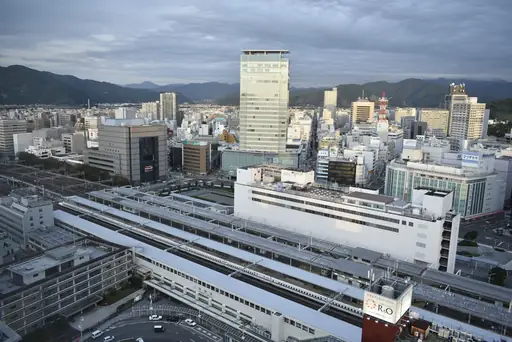
Direct airport limousine buses run from the terminal to Shizuoka Station in about 55 minutes and cost around JP¥1,000 – 1,200 (£4.73 – 5.67) yen. Buses run roughly every hour, aligning with flight schedules, and are the most convenient option. Taxis are also available, though they’re considerably more expensive. If you prefer trains, shuttle buses connect you to the nearest station (Kanaya or Shimada), and from there, JR train lines reach Shizuoka in about 25 minutes. Planning a late arrival? Be sure to check the last bus times, as public transport options thin out in the evening.
To Shimada:
Shimada can be reached in about 25 minutes by shuttle bus from the airport, or in 10–15 minutes by taxi (fare usually around JP¥3,000 (£14.18)). From Shimada Station, train connections on local JR lines are available. Late-night arrivals may find taxis easiest, but prices rise after 10 pm. Buses sync with arrivals and provide luggage space.
To Izu Peninsula:
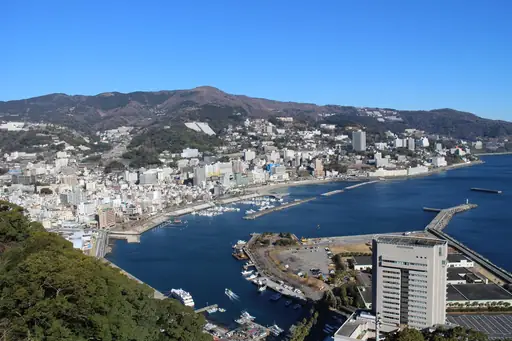
To reach the Izu Peninsula’s famous onsen towns, take a bus or taxi from the airport to Shizuoka Station, then board the JR Tokaido line south and transfer to the Izu line at Atami. The whole trip takes 1.5–2.5 hours depending on your exact destination, with total fares ranging from JP¥2,000 (£9.45) to JP¥3,500 (£16.54) yen. Trains are frequent during the day, but check timing for connections if you arrive in the evening.