












Was this page helpful?
Provides a comfortable space for premium passengers with refreshments, Wi‑Fi, and a relaxed atmosphere. Access is limited to business and first‑class travellers or through day passes when available.

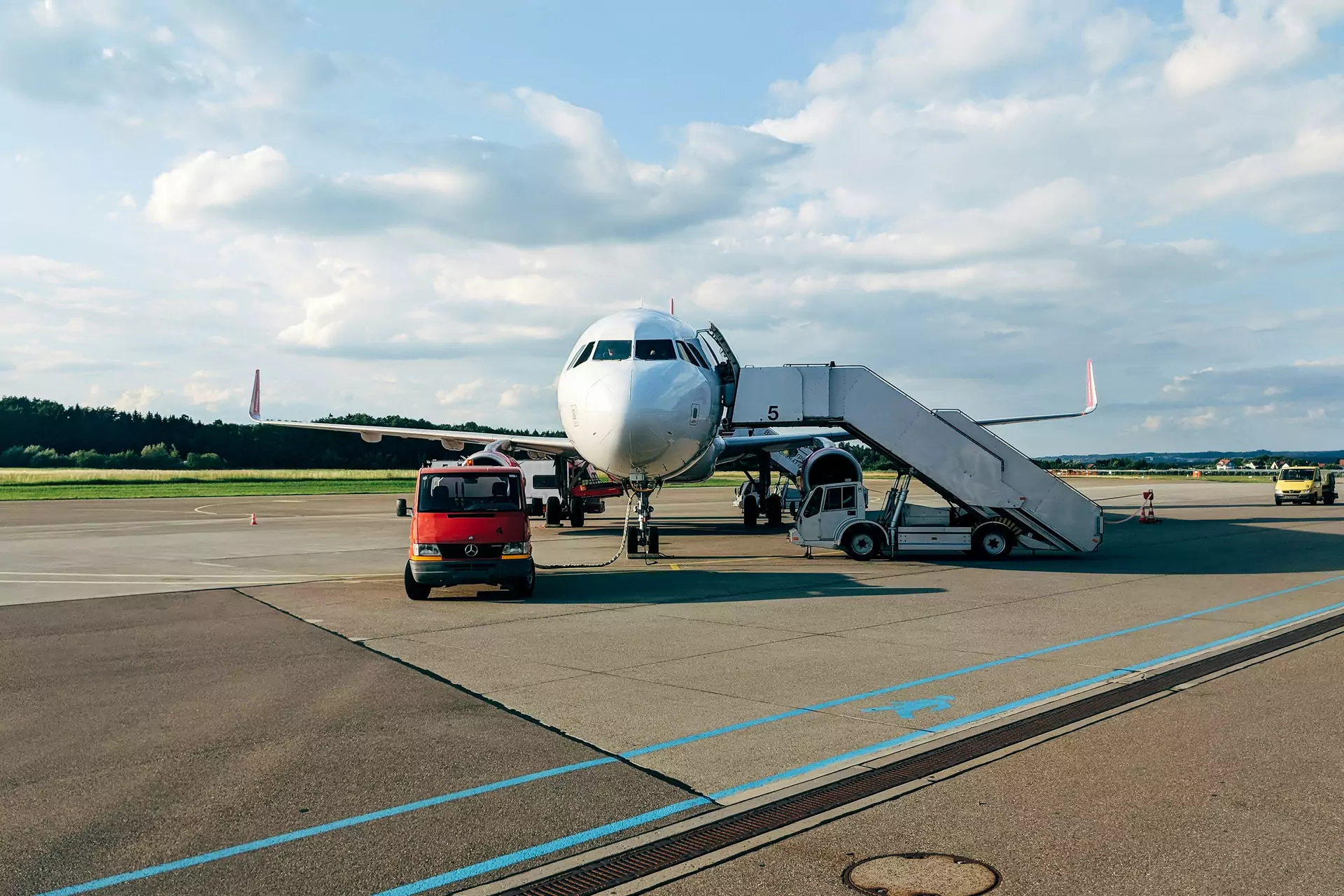
Nnamdi Azikiwe International Airport in Abuja serves as Nigeria’s main gateway to the country. Opened in 2018, it handles both domestic and international flights with modern facilities including baggage systems and passenger lounges. The terminal features spacious waiting areas and digital displays for real-time flight updates. Located about 40 kilometers northeast of Abuja city center, it connects travelers efficiently while supporting Nigeria’s growing aviation sector through improved infrastructure and expanded airline partnerships.



| Power Grid: |
230 V, 50 Hz Plug: Type D , Type G
Type D:
  Read about power adapters |
|---|---|
| Currency: |
Nigerian Naira (NGN) £1 ≈ NGN 1,788.46 |
| Cashless info: |
Rating 3/5
Cashless payments are becoming more common in Nigeria, particularly in larger cities. Credit cards are accepted in many businesses in urban areas.
Save with a travel credit card |
| eSIM providers: |
Best value: Saily Flexibility: Airalo Read our in-depth comparison |
| Tipping: | Tipping is not mandatory in Nigeria, but small tips (5-10%) are appreciated in restaurants. Taxis and hotel staff may expect small tips. |
|---|---|
| Public drinking: | Public drinking is allowed in designated areas, though alcohol consumption is generally restricted in certain regions due to local customs. |
| Public smoking: | Smoking is allowed in designated areas, and many public spaces have non-smoking policies. |
| Independence Day (1 October) |
Celebrating Nigeria’s independence from the UK |
|---|
| Emergency contact: | Emergency Number: 112 (Police, Ambulance) |
|---|---|
| Taxi apps: | Uber, Bolt |
| Other: | Nigeria is a large country with a rich cultural heritage, but travellers should be aware of the security situation and healthcare facilities. |
Nnamdi Azikiwe International Airport features a single large terminal with both international and domestic facilities. The airport, named after Nigeria’s first president, has gradually expanded to serve over a million passengers annually. It offers basic services like duty-free shopping, eateries and car rentals.
The airport's infrastructure is functional but can feel dated in parts, with reports of congested arrival halls and irregular signage. Security checks are thorough, reflecting the regional security context, which might mean longer wait times for travelers. Staff are generally helpful but language barriers can occasionally be an issue for non-English speakers outside major airlines’ customer service.
Transportation options primarily include official taxis and car rentals, with limited public transport. Traffic congestion around Abuja can add to travel times, so planning ahead is wise. Despite these challenges, ABV remains a vital gateway with improving facilities aiming to keep pace with growing demand.
For those visiting Nigeria’s capital and the wider region, the airport is an essential hub to experience Abuja’s modernity alongside Nigeria’s rich traditions.
Provides a comfortable space for premium passengers with refreshments, Wi‑Fi, and a relaxed atmosphere. Access is limited to business and first‑class travellers or through day passes when available.
Accommodations around Abuja range from international hotels to comfortable guesthouses and business lodges, mostly clustered near the airport and city center. Visitors can expect a range of options combining convenience and local hospitality.
To Abuja City Center:
Located about 40 kilometres from the airport, accessible by official taxis, car hire, or pre-arranged shuttle services. The drive can take 45 minutes to over an hour depending on traffic. Public transport is minimal and not recommended for tourists.
To Kaduna:
Approximately 190 kilometres northwest, reachable by car or bus services from Abuja. The journey takes about 3-4 hours and is frequently used by business and leisure travellers.
 +7
+3
+3
+2
+1
+2
