









Was this page helpful?

These place ratings give you a quick overview of how well a destination matches different types of trips.
‘Best for’ scores:
The specific interest scores show where this place really shines – whether it's ideal for hiking, food & drink experiences, museums or other activities. These highlights help you understand what makes the destination special at a glance.
‘Your personal’ scores:
This reflects how well a place matches your personal preferences. You can adjust the importances of travel topics or other personal requirements categories in your account settings.
‘Suited for’ badges:
These give you a quick overview of how well a destination suits specific types of travellers, to help you find the places that match your lifestyle, preferences or travel situation.
| Power Grid: |
230 V, 50 Hz Plug: Type D , Type G
Type D:
  Read about power adapters |
|---|---|
| Currency: |
Tanzanian Shilling (TZS) £1 ≈ TZS 3,520.45 |
| Cashless info: |
Rating 3/5
Cashless payments are becoming more common in Tanzania’s larger cities, but cash is still the most widely accepted form of payment. Credit cards are accepted in some establishments.
Save with a travel credit card |
| eSIM providers: |
Best value: Saily Flexibility: Airalo Read our in-depth comparison |
| Tipping: | Tipping is appreciated in Tanzania, typically around 5-10% in restaurants. Taxi fares should be rounded up, and small tips for hotel staff are common. |
|---|---|
| Public drinking: | Public drinking is not common in Tanzania, and alcohol is typically consumed in licensed venues like restaurants and bars. |
| Public smoking: | Smoking is allowed in outdoor public spaces and designated indoor areas. Many restaurants and public spaces have non-smoking sections. |
| Independence Day (9 December) |
Celebrates Tanzania’s independence from British colonial rule |
|---|---|
| Saba Saba (7 July) |
Industry Day |
| Emergency contact: | Emergency Number: 112 |
|---|---|
| Taxi apps: | Uber, Bolt |
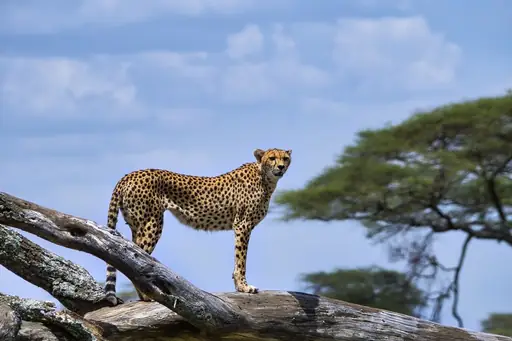
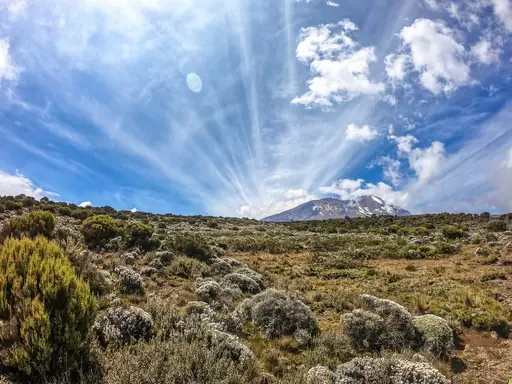
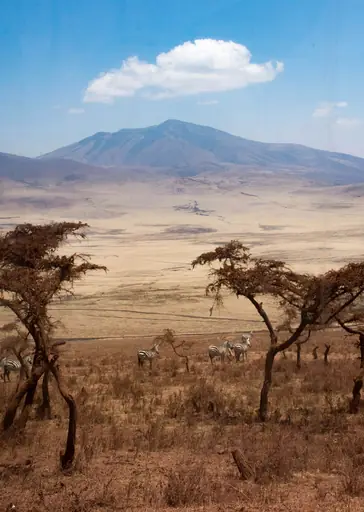
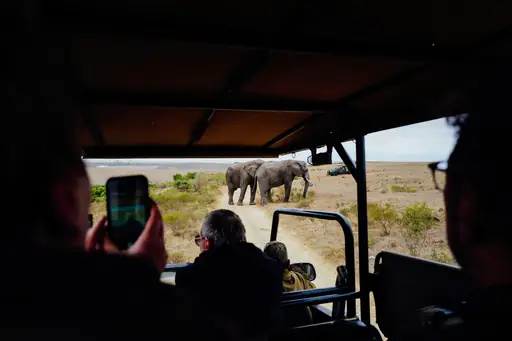
| Other: | Tanzania is famous for its stunning wildlife, including safaris and Mount Kilimanjaro. The coast also offers beautiful beaches, particularly around Zanzibar. |
The best times to travel section shows how the months compare for a visit, so you can find the time of year that fits what you want to do.
Background colours of the months:
The colour shows the typical temperature: yellow (hot), green (mild) and blue (cold). How strong the colour is shows the travel season: full colour means high season, soft colour means shoulder season and soft-striped means off season.
Weather symbols:
Each month has one symbol showing what the weather is typically like, such as hot and sunny, freezing or a rainy or snowy season. Use them to quickly spot months that match the weather you want, or to avoid the ones that don't.
Crowdedness:
The people icon shows how busy the place usually is. The more people, the more crowded it gets.
Additional notes:
The grey info boxes point out special things worth knowing, like recurring weather issues or seasonal events.
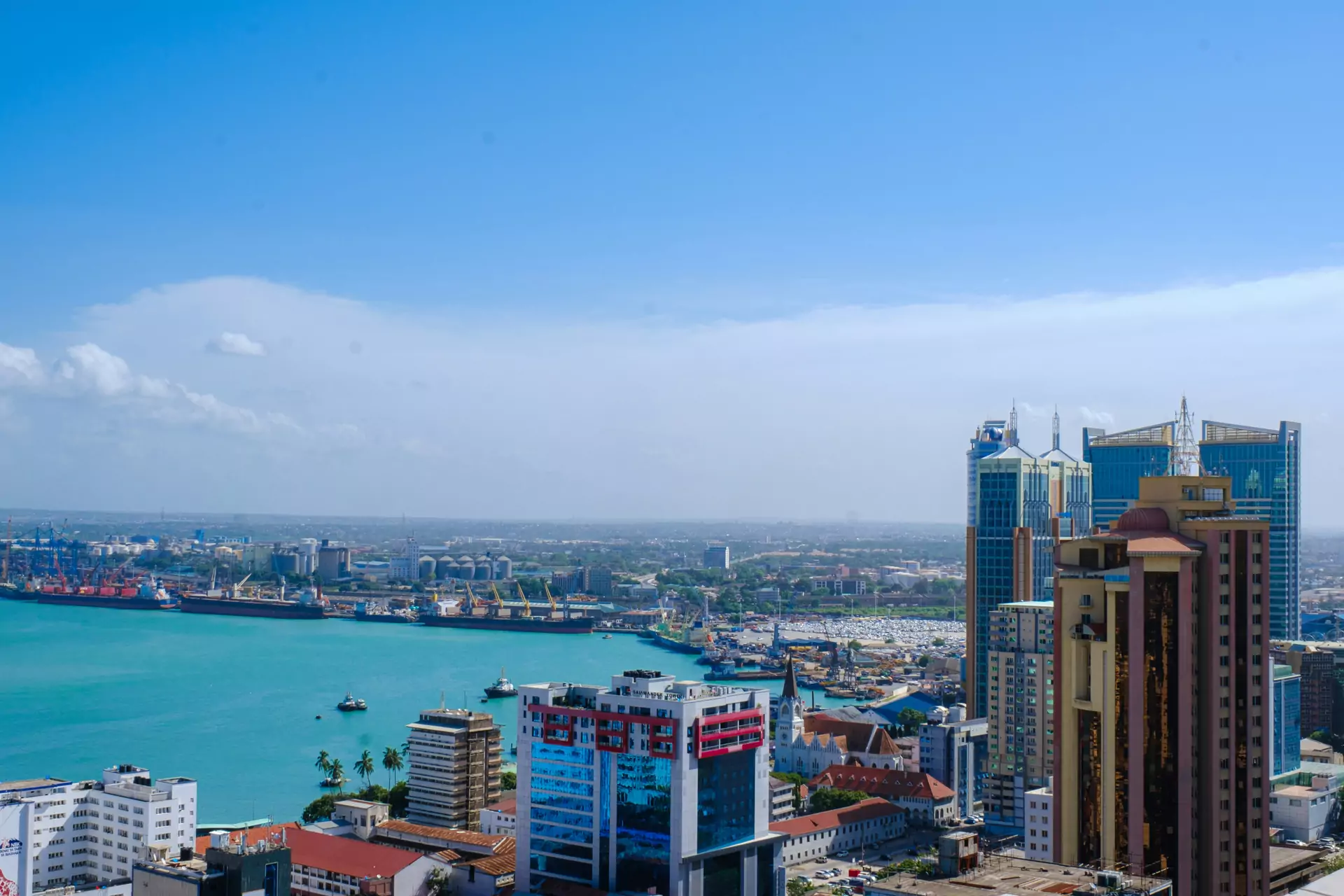
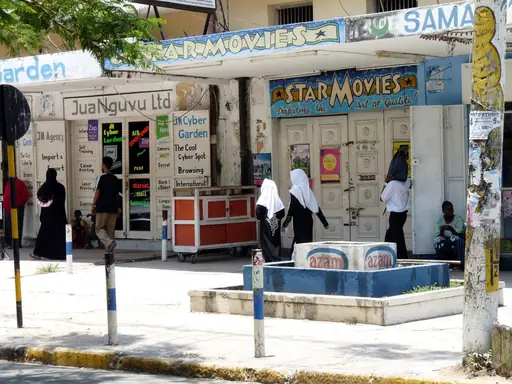
Dar es Salaam offers a blend of history, culture and natural beauty that appeals to travelers seeking an authentic African experience without the crowds of more famous destinations. The city’s waterfront promenade, known as the Mbudya Coast, provides calm beaches where visitors can relax or enjoy local seafood stalls that serve freshly caught fish grilled over open fires. For those interested in architecture, the colonial-era buildings along the main boulevard showcase a mix of Victorian and Art Deco styles, while the bustling markets – particularly Kariakoo Market – offer an immersive look at everyday life, from spices to textiles. Cultural enthusiasts will appreciate the National Museum of Tanzania, which houses artifacts that trace the region’s pre‑colonial history and the nearby Dar es Salaam Cathedral, a landmark of the city’s religious diversity. The city is also a gateway to the marine-rich islands of Mafia and Pemba; short ferry rides allow visitors to explore coral reefs and historic Swahili villages. Dar es Salaam’s culinary scene reflects its cosmopolitan past: try local dishes such as pilau, samaki wa kupaka (fish in coconut sauce) or the ubiquitous street‑food snack, chapati. The city’s relatively low cost of living means travelers can enjoy comfortable accommodations and transport without breaking the bank. Overall, Dar es Salaam offers a balanced mix of urban convenience, cultural depth and access to natural attractions that make it an appealing destination for budget‑conscious explorers.
Dar es Salaam, Tanzania’s largest city and main economic hub, is accessible via Julius Nyerere International Airport (JRO), located approximately 10–15 km southeast of the city center. The airport offers domestic and international flights, connecting to major African cities like Johannesburg, Nairobi and Addis Ababa, as well as regional destinations. For overland access, the city is linked by road to key Tanzanian attractions such as Zanzibar (via ferry from Dar es Salaam Port) and neighboring countries through border crossings like Namanga (with Kenya). Public minibuses (daladala) and taxis provide affordable local transport within the city. The port also facilitates cargo and passenger travel along the Indian Ocean coastline.
Dar Es‑Salaam offers a wide spectrum of lodging, from budget hostels and guesthouses in the bustling Mikocheni and Oyster Bay districts to mid‑range boutique hotels along the waterfront that blend colonial charm with modern amenities. Luxury seekers find upscale resorts on the islands of Pemba and Unguja, as well as high‑end beachfront properties in the coastal suburbs of Kivukoni and Mkuranga, featuring private pools, spa services and panoramic sea views. The city’s historic Stone Town area is renowned for its heritage guesthouses, where travelers can experience traditional Swahili architecture and local hospitality. Prices vary from TZS 20 – 50 (£0.01 – 0.01) per night for basic rooms to from TZS 200 (£0.06) for premium suites with ocean frontage.


We calculate the average costs when travelling to destinations and compare those with the living costs at your home. With this you can get an estimate of how expensive or cheap the destination is for you.
To customise this, you can set up which location and price level are used for the calculations in your account settings.
The exchange rate price factor shows how expensive or cheap a currency currently is compared to its historical average. It's a quick way to see if a country is currently more or less affordable due to exchange rate changes.
To help you plan your trip, we provide estimated daily costs per person (when travelling as a pair) for different travel styles. These numbers give you an idea of what you might spend each day at this destination, including accommodation, food, transport and activities.
Additionally, we also provide average hotel costs for different travel styles to give you an estimate for the accommodation only.
Please note that these are only estimates. The real costs depend on booking times, season and other factors.
Travel style categories explained:
Backpacker:
Staying in hostels or budget hotels, cooking your own meals or eating cheap and choosing low-cost activities.
Mid-range:
Staying in mid-range hotels, eating at a mix of restaurants and casual spots and enjoying a variety of activities.
Luxury:
Staying in luxury hotels, dining out at high-end restaurants and enjoying premium experiences without worrying about the price.
| Backpacker | Mid-range | Luxury | |
|---|---|---|---|
| 💵 Total costs per day, including accommodation | |||
| 🏨 Accommodation per night, per person | |||
| 🍝 Food per day | |||
| 🚕 Transportation per day |
| 🍽️ Restaurant Dinner, per person | |
|---|---|
| 🍛 Lunch Set, per person | |
| 🍟 Fast food combo | |
| 🍝 Preparing your own food, per day | |
| ☕ Cappuccino | |
| 🍺 Beer in a restaurant, 0.5 l |
| 🚌 Public transport ticket | |
|---|---|
| 🚕 Taxi Ride, 10 km / 6 mi | |
| ⛽ Petrol, 1 l |
| 🎞️ Cinema ticket | |
|---|---|
| 👩⚕️ Doctor's consult | |
| 🤧 Cold medication | |
| 💇 Basic haircut |
Log in to add this place to a travel list and get a summary of all recommended items for your whole trip.
