





Was this page helpful?

| Power Grid: |
220 V, 50 Hz Plug: Type C , Type F
Type C:
  Read about power adapters |
|---|---|
| Currency: |
Ethiopian Birr (ETB) £1 ≈ ETB 215.60 |
| Cashless info: |
Rating 3/5
Cashless payments are becoming more common in Ethiopia, especially in urban areas. Credit and debit cards are accepted in larger hotels and businesses, but cash is still preferred in many places.
Save with a travel credit card |
| eSIM providers: |
Flexibility: Airalo Read our in-depth comparison |
| Tipping: | Tipping is not compulsory in Ethiopia, but small tips for good service are appreciated. It is common to tip restaurant staff about 10% and give small tips to hotel staff and taxi drivers. |
|---|---|
| Public drinking: | Public drinking is generally not allowed in Ethiopia, and alcohol consumption is restricted to licensed venues like hotels, bars, and restaurants. |
| Public smoking: | Smoking is prohibited in indoor public spaces, but smoking is allowed in outdoor areas, such as designated smoking zones in cafes and restaurants. |
| Meskel (27 September) |
Religious holiday celebrating the discovery of the True Cross |
|---|---|
| Timkat (19 January) |
Epiphany celebration with religious processions |
| Emergency contact: | Emergency Numbers: 991 (Police), 907 (Ambulance), 939 (Fire) |
|---|---|
| Taxi apps: | Ride |
| Other: | Ethiopia is known for its ancient history, including the rock-hewn churches of Lalibela and the ruins of Aksum. The country's diverse culture and landscapes make it a fascinating destination, though infrastructure can be limited in rural areas. |
The best times to travel section shows how the months compare for a visit, so you can find the time of year that fits what you want to do.
Background colours of the months:
The colour shows the typical temperature: yellow (hot), green (mild) and blue (cold). How strong the colour is shows the travel season: full colour means high season, soft colour means shoulder season and soft-striped means off season.
Weather symbols:
Each month has one symbol showing what the weather is typically like, such as hot and sunny, freezing or a rainy or snowy season. Use them to quickly spot months that match the weather you want, or to avoid the ones that don't.
Crowdedness:
The people icon shows how busy the place usually is. The more people, the more crowded it gets.
Additional notes:
The grey info boxes point out special things worth knowing, like recurring weather issues or seasonal events.
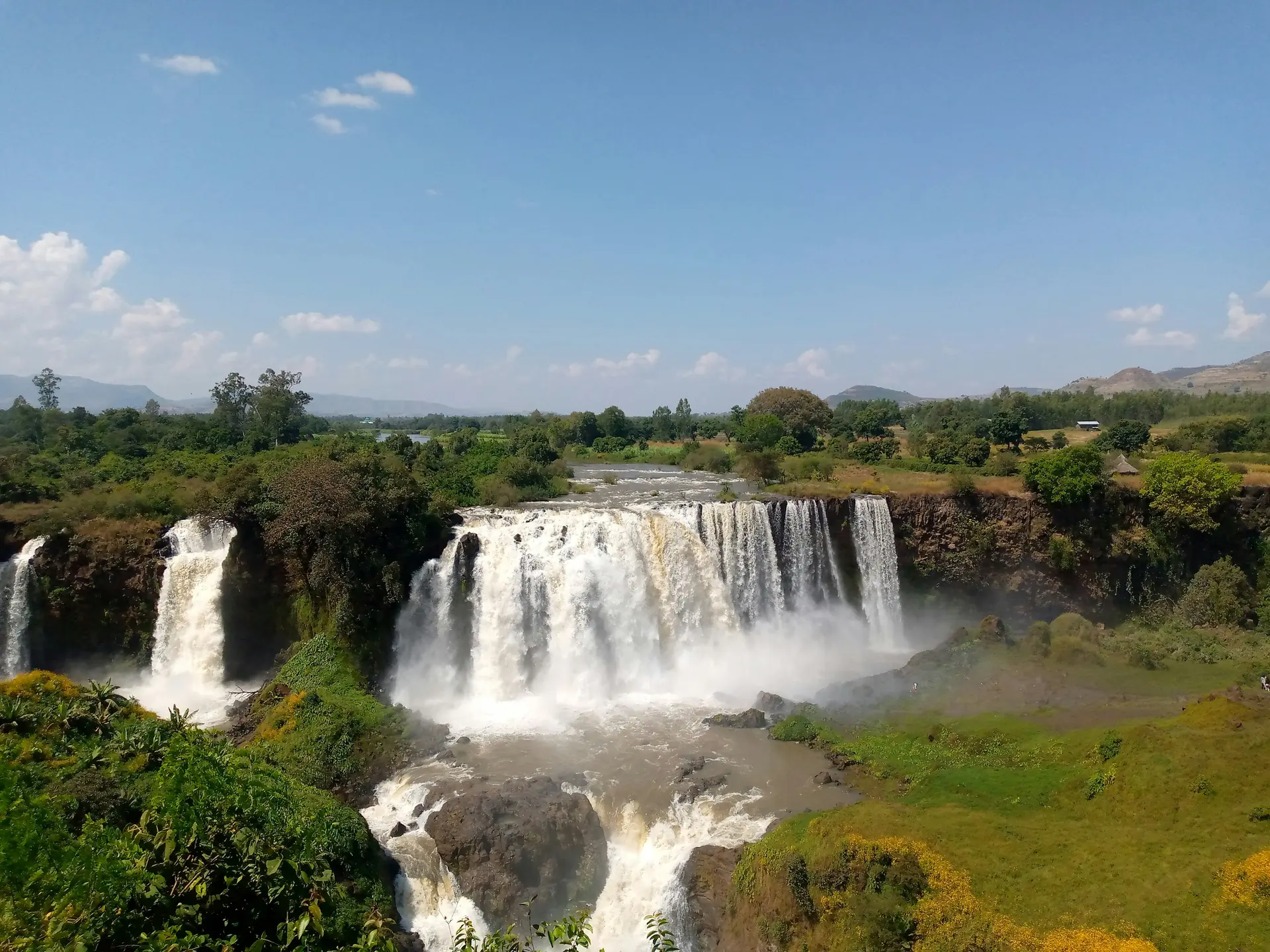
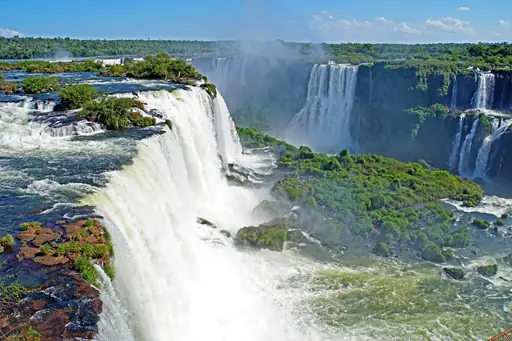
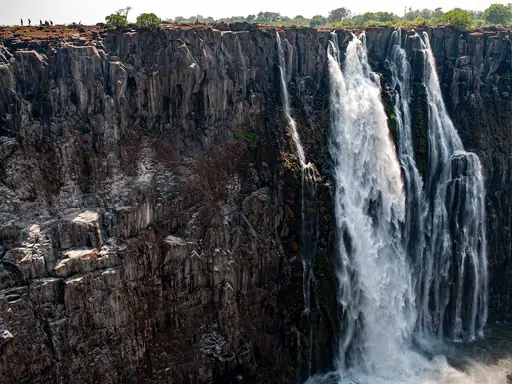
Ethiopia’s Blue Nile Falls presents a striking display of natural power. The water cascades from over 30 meters high creating a thunderous roar that echoes across the landscape. Visitors hear the constant rush of water before seeing it up close. The mist rises quickly forming rainbows on sunny days adding subtle beauty to an already dramatic scene.
The area around the falls features lush greenery supported by frequent spray from the falling water. Trees and ferns grow thick along the riverbanks creating a cool shaded environment. Local birds such as kingfishers and bee-eaters hunt insects near the surface making the spot appealing to wildlife watchers. Trails wind through the forest allowing easy access without disturbing the habitat.
A small town nearby provides basic lodging and simple meals for travelers. Guides can arrange boat rides that bring visitors closer to the base of the falls where the force of water becomes most evident. Photography opportunities exist at many angles due to varied viewpoints along the path. Early mornings often show softer light improving photo quality while late afternoons cast long shadows across rocks.
The site remains less crowded compared to other famous waterfalls making it easier to find quiet spots for reflection. Local communities value the falls as a source of water and cultural identity. Respectful visitors leave minimal impact by carrying out trash and staying on marked paths. The experience feels genuine without unnecessary embellishment or commercial distractions.
The Blue Nile Falls, located in Ethiopia’s Amhara Region, are accessible via a combination of road and river transport. The nearest major city is Bahir Dar, situated on the southern shore of Lake Tana, approximately 30 kilometers from the falls. Visitors typically travel by road from Bahir Dar to the falls’ parking area, followed by a short walk through scenic highlands. Alternatively, boat transfers across Lake Tana offer proximity to the Blue Nile’s source before continuing upstream. Domestic flights to Addis Ababa or regional airports may include ground transfers to the site. Seasonal road conditions and guided tours are recommended for optimal access during dry months (October–March).
Near the Blue Nile Falls, accommodations range from modest guesthouses to upscale lodges, catering to both budget travelers and those seeking luxury. The town of Bahir Dar hosts a handful of family-run inns offering clean rooms with basic amenities, while larger resorts provide private pools, spa services and panoramic views of the gorge. Many lodgings feature locally sourced décor and organic meals, reflecting Ethiopian hospitality. For eco-conscious visitors, there are eco-lodges built from sustainable materials that blend seamlessly into the landscape. The area is renowned for its “riverfront” hotels, where guests can enjoy sunrise over the falls directly from their balconies. Overall, options are plentiful yet intimate, ensuring a memorable stay amid natural splendor.
Log in to add this place to a travel list and get a summary of all recommended items for your whole trip.
We calculate the average costs when travelling to destinations and compare those with the living costs at your home. With this you can get an estimate of how expensive or cheap the destination is for you.
To customise this, you can set up which location and price level are used for the calculations in your account settings.
The exchange rate price factor shows how expensive or cheap a currency currently is compared to its historical average. It's a quick way to see if a country is currently more or less affordable due to exchange rate changes.
