


South America › Peru › Lima › Barranco District

Barranco District

Scroll
Lima’s Bohemian Heartbeat

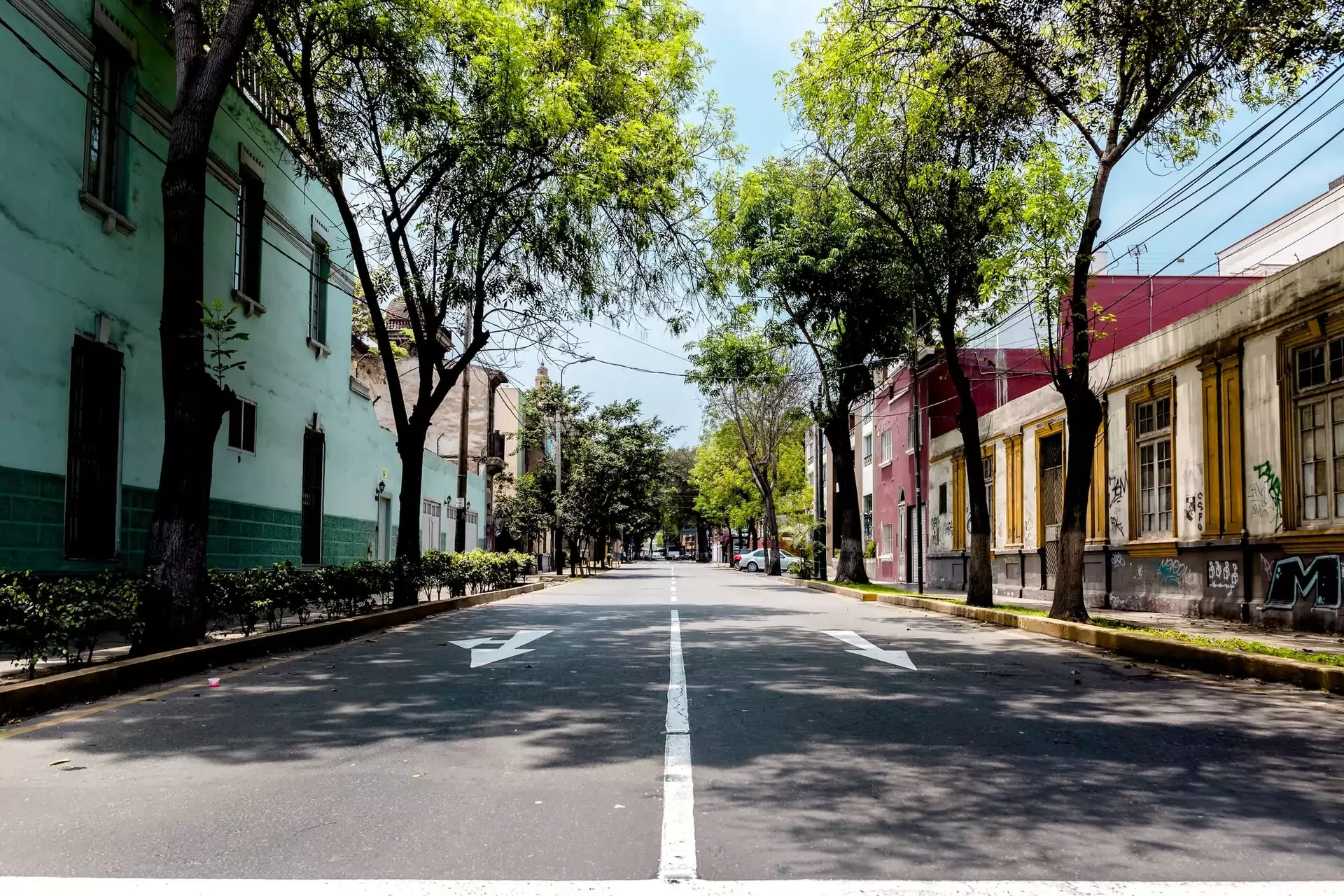
Barranco District in Lima, Peru, features a vibrant arts scene and colorful colonial architecture along its cliffside streets. The area includes historic bridges like the Puente de los Suspiros, offering views of the Pacific Ocean. Local markets sell handmade crafts while cafes serve traditional dishes such as ceviche. Street performers often entertain visitors near plazas and galleries. Walking paths connect neighborhoods with restaurants and cultural sites. This district balances old traditions with modern creativity in a compact urban setting.

Neighbourhood in Lima
Climate zone: Hot desert

Hot desert: Extremely arid climates with very high temperatures, minimal rainfall, strong evaporation and sparse vegetation, typical of subtropical deserts.

See climate table
Ticket price: $$$
$Cheap
$$Medium
$$$Expensive, upscale
$$$+Very expensive, luxury
Safety: 7.0
General Safety:7
Accessibility:7
Read details
Tourist English: 3/5
English is fairly common in tourist spots, galleries, and hotels within Barranco, though it might be limited in more local areas. Simple communication is usually possible with basic English and gestures.
Last update: 12 Oct 2026
* We earn a commission from some links on this page.
Barranco District Summary
Great for nightlife and street culture. Walk colorful streets, visit art galleries, enjoy cafés and live music and explore Lima’s creative neighborhoods.
Peru – Quick facts
Power Grid: 220 V, 60 Hz
Plug: Type A , Type B
Type A:
Diagram of a Type A power plug
Type B:
Diagram of a Type B power plug

Read about power adapters
Currency: Peruvian Sol (PEN)
£1 ≈ PEN 4.59
Cashless info: Rating 4/5
Cashless payments are widely accepted in Peru, especially in larger cities and tourist areas.

Save with a travel credit card
eSIM providers: Best value: Saily
Flexibility: Airalo
Read our in-depth comparison
Tipping: Tipping is customary in Peru, with 10-15% being the usual amount in restaurants. Small tips are appreciated by taxi drivers and hotel staff.
Public drinking: Public drinking is prohibited in Peru, and alcohol consumption is restricted to licensed venues.
Public smoking: Smoking is allowed in designated areas, but smoking indoors in public spaces is generally prohibited.
Emergency contact: Emergency Numbers: 105 (Police), 106 (Ambulance), 116 (Fire)
Taxi apps: Uber
Other: Peru is known for its ancient culture, including Inca ruins and the Amazon rainforest, making it a popular destination for nature lovers and history enthusiasts.
Best times to travel

The best times to travel section shows how the months compare for a visit, so you can find the time of year that fits what you want to do.

Background colours of the months:
The colour shows the typical temperature: yellow (hot), green (mild) and blue (cold). How strong the colour is shows the travel season: full colour means high season, soft colour means shoulder season and soft-striped means off season.

Weather symbols:
Each month has one symbol showing what the weather is typically like, such as hot and sunny, freezing or a rainy or snowy season. Use them to quickly spot months that match the weather you want, or to avoid the ones that don't.

Crowdedness:
The people icon shows how busy the place usually is. The more people, the more crowded it gets.

Additional notes:
The grey info boxes point out special things worth knowing, like recurring weather issues or seasonal events.

for Barranco District, Peru
🌤️
Jan
☀️
Feb
☀️
Mar
☀️
Apr
☀️
May
☀️
Jun
☀️
Jul
☀️
Aug
☀️
Sep
☀️
Oct
☀️
Nov
☀️
Dec
High season: Jan. - March, Dec.
Shoulder season: April - May, Oct. - Nov.
Tap on a month for more info Hover over a month for more info
Señor de los Milagros procession runs through October, with purple-clad crowds in central Lima

Barranco District is Lima’s most romantic and culturally rich neighborhood, once a summer getaway for Peru's aristocracy, now a hub for artists, musicians and creatives. Its vibrant streets are adorned with colorful murals and historic colonial architecture contrasts beautifully with contemporary galleries and trendy cafes.

The iconic Bridge of Sighs, an old wooden footbridge, is a symbol of Barranco’s bohemian allure and a favorite spot for locals and tourists alike. Nearby, museums like the Mario Testino Museum (MATE) display some of Peru's finest contemporary art and photography in a beautifully restored mansion.

Despite its charm, visitors should be mindful when heading to the beaches, as some areas have rocky or less maintained sands, making swimming less inviting. Barranco's nightlife is lively and varied, though visitors are advised to watch their belongings and stay aware of surroundings in crowded areas.

The district’s elevated cliffside offers breathtaking Pacific Ocean views, especially enjoyed from the many open parks and coastal pathways. Barranco is perfect for those who appreciate a blend of historic ambiance, artistic expression and modern buzz.

Why travel to Barranco District?

🏯Places worth seeing
  • 1 Bajada de Baños
  • 2 Iglesia La Ermita de Barranco
  • 3 Museo Mario Testino
  • 4 Barranco municipal park
🏞️Natural landmarks
  • 1 Playa Las Cascadas
🎈Events
  • Barranco Jazz Festival
  • Festival of Barranco

Knowledge before you go

  • Wear comfortable shoes; Barranco streets are cobblestoned and uneven.
  • Explore the bohemian art galleries early in the morning to avoid crowds and enjoy quieter viewing times.
  • Try local ceviche at a family-run restaurant near the waterfront, but confirm opening hours as many close for lunch breaks.
  • Visit the iconic Bridge of Sighs during sunset; locals say it offers the best panoramic views of Lima’s coastline and historic architecture.

How to travel to Barranco District

Barranco is about a 40-minute car or taxi ride south from Jorge Chávez International Airport in Lima. It’s centrally located between Miraflores and Chorrillos, easily accessible by local buses and taxis from Lima’s city center or the airport.

Access summary

  • From Lima Airport (LIM): Taxi or shuttle to Barranco, around 30–45 min.
  • From Lima Historic Center: Metropolitano bus or taxi, usually 25–40 min.
  • From Miraflores: Short taxi or local bus along coast, about 10–25 min.

Where to stay near Barranco District

Barranco offers a variety of accommodations including boutique hotels, guesthouses and hostels, often characterized by a relaxed and artistic atmosphere. It’s a great base to explore Lima’s cultural and coastal highlights.

Packing recommendations for Barranco District

Log in to add this place to a travel list and get a summary of all recommended items for your whole trip.

Budget snapshot
Costs compared to home

We calculate the average costs when travelling to destinations and compare those with the living costs at your home. With this you can get an estimate of how expensive or cheap the destination is for you.

To customise this, you can set up which location and price level are used for the calculations in your account settings.

-56 %
Daily expenses in the region are around 56% lower than the average across United States. That means you'll spend a lot less on meals and getting around.
Exchange rate trend

The exchange rate price factor shows how expensive or cheap a currency currently is compared to its historical average. It's a quick way to see if a country is currently more or less affordable due to exchange rate changes.

+6 %
Your exchange rate (GBP to PEN) is 6% worse than in recent years. That means travelling now is more expensive compared to the past.

Safety information overview

General safety
7
Barranco, Lima’s bohemian district, is generally safe for travelers. Most streets are well-lit and frequented by locals and tourists alike. Still, exercise normal precautions: avoid isolated alleys after dark, keep valuables secure and stay aware of petty theft in crowded areas.
Accessi­bility
7
Barranco offers mixed accessibility: many sidewalks and public transport are wheelchair‑friendly, but uneven cobblestones and narrow alleys can pose challenges. Elevators exist in newer buildings, yet older cafés and historic sites may lack ramps or accessible restrooms.

Looking for inspiration?

Discover
Best nightlife destinations in South America
South America's capitals run on a nightlife rhythm unlike almost anywhere else, with dinner often starting late and clubs not filling up until well after midnight. Traditional…
Read more
Discover
Top historical destinations and historic sites
The most compelling history destinations are places where the past is still physically present and legible in the landscape, the architecture and the daily life of the people who…
Read more
Discover
Top nightlife destinations and clubbing hotspots
The cities that define nightlife travel tend to have built it deliberately: licensing laws, music scenes and a density of venues that support genuine variety rather than a single…
Read more
Discover
Best historical destinations in South America
South America's history is as layered as its landscapes, stretching from some of the most sophisticated pre-Columbian civilisations on earth through the upheaval of European…
Read more
Discover
Most beautiful beaches and coastal escapes
For a lot of people, a beach is the whole point of a holiday, but what makes a beach day perfect really depends on personal taste. Some travellers want isolation and the feeling…
Read more
Discover
Stunning national parks and wilderness areas
National parks exist because someone decided that certain landscapes were too important to lose. The best of them protect ecosystems, wildlife and natural processes that would…
Read more
Discover
Intimate escapes and romantic getaways
The most memorable trips for couples tend to have less to do with luxury and more to do with the quality of shared experience. A place that slows you down, removes the usual…
Read more
Was this page helpful?
Feedback