

South America › Brazil › São Paulo › Avenida Paulista

Avenida Paulista

Scroll
Vibrant Heart of São Paulo

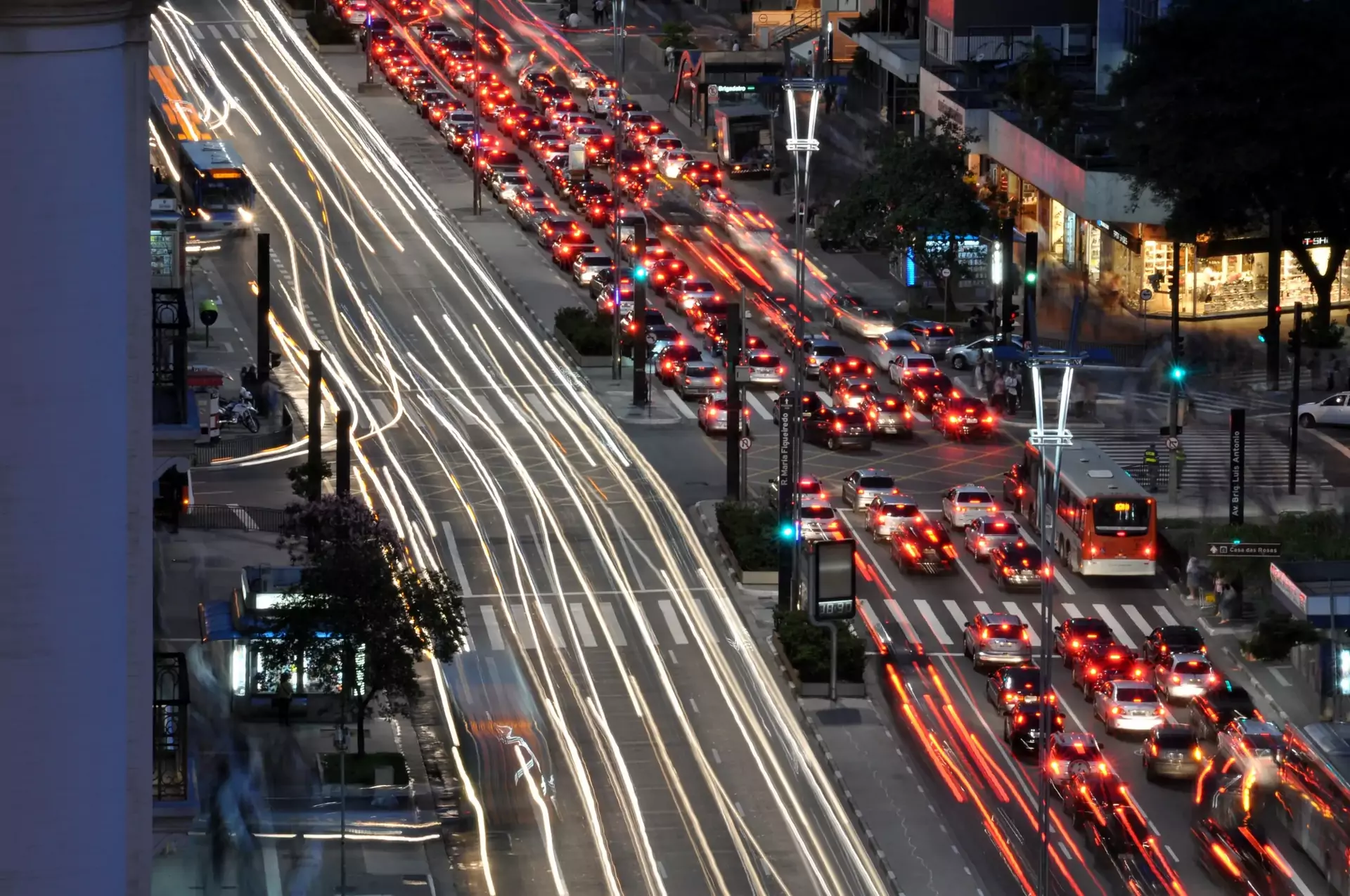
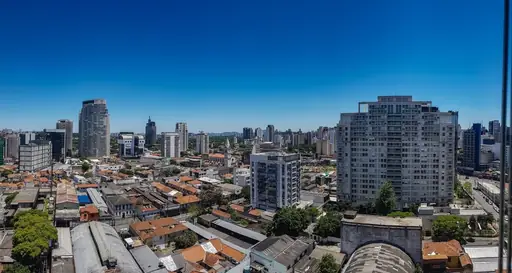
Avenida Paulista in São Paulo stretches over a kilometer of urban life, lined with towering office buildings and historic landmarks. The avenue serves as a major financial center while also housing cultural institutions like museums and theaters. Along its sidewalks, street vendors sell coffee and pastries alongside busy commuters rushing to work or meetings. Public spaces such as parks and plazas provide pockets of greenery amid the city’s dense skyline. The area reflects São Paulo’s mix of modern ambition and everyday Brazilian energy.

Boulevard in São Paulo
Climate zone: Tropical savanna

Tropical savanna: Tropical climates with distinct wet and dry seasons, warm year-round, featuring grasslands with scattered trees and shrubs.

See climate table
Ticket price: $$$
$Cheap
$$Medium
$$$Expensive, upscale
$$$+Very expensive, luxury
Safety: 6.4
General Safety:6
Accessibility:8
Read details
Tourist English: 3/5
English is moderately spoken in the tourist and business areas around Avenida Paulista, but knowing some Portuguese or Spanish can enhance interactions.
Last update: 12 Oct 2026
* We earn a commission from some links on this page.
Avenida Paulista Summary
Excellent for city culture and urban life. Visit museums, browse bookstores, enjoy street performances and explore cafés and shopping centers.
Brazil – Quick facts
Power Grid: 127 V, 60 Hz
Plug: Type C , Type N
Type C:
Diagram of a Type C power plug
Type N:
Diagram of a Type N power plug

Read about power adapters
Currency: Brazilian Real (BRL)
£1 ≈ R$7.15
Cashless info: Rating 4/5
Cashless payment is widely accepted in urban areas but less so in remote regions.

Save with a travel credit card
eSIM providers: Best value: Saily
Flexibility: Airalo
Read our in-depth comparison
Tipping: Tipping is not customary in Brazil. Restaurants often include a 10% service charge. Additional tips are optional.
Public drinking: Public drinking is generally allowed in Brazil, and it is common in social settings.
Public smoking: Smoking is banned in enclosed public spaces, with designated outdoor areas.
Carnival
(February/March)
Expect parades and heavy crowds.
Independence Day
(September)
National celebrations occur.
Christmas
(December)
Family gatherings and public celebrations are common.
Emergency contact: Emergency Numbers: 190 (Police), 192 (Ambulance), 193 (Fire)
Taxi apps: 99, Uber, Cabify
Other: Brazil is known for its natural beauty, vibrant culture, and Carnival celebrations. Avoid travelling alone in remote areas for safety.
Best times to travel

The best times to travel section shows how the months compare for a visit, so you can find the time of year that fits what you want to do.

Background colours of the months:
The colour shows the typical temperature: yellow (hot), green (mild) and blue (cold). How strong the colour is shows the travel season: full colour means high season, soft colour means shoulder season and soft-striped means off season.

Weather symbols:
Each month has one symbol showing what the weather is typically like, such as hot and sunny, freezing or a rainy or snowy season. Use them to quickly spot months that match the weather you want, or to avoid the ones that don't.

Crowdedness:
The people icon shows how busy the place usually is. The more people, the more crowded it gets.

Additional notes:
The grey info boxes point out special things worth knowing, like recurring weather issues or seasonal events.

for Avenida Paulista, Brazil
⛈️
Jan
🌦️
Feb
🌦️
Mar
🌤️
Apr
🌤️
May
🌤️
Jun
☀️
Jul
🌤️
Aug
🌤️
Sep
🌤️
Oct
🌦️
Nov
🌦️
Dec
High season: May - Sep.
Shoulder season: March - April, Oct. - Dec.
Tap on a month for more info Hover over a month for more info
Avenue is closed to cars on Sundays, open for walking and cycling
Pride Parade fills the avenue on a Sunday from late May to mid June, with millions attending

Avenida Paulista stands as a vivid symbol of São Paulo’s economic power and cultural vibrancy. Originally developed in the late 19th century, its transformation from a residential area with ornate mansions to a bustling commercial and cultural hub mirrors the city’s rapid growth.

The avenue hosts numerous corporate headquarters, cultural institutions, theaters and museums like the renowned São Paulo Museum of Art (MASP) famous for its modernist architecture and vast art collection. On Sundays, the avenue closes to vehicle traffic, inviting pedestrians and cyclists to explore its lively street fairs, live music and performances.

While the area is safe during the day, visitors should stay alert to pickpockets and avoid less crowded areas at night. Traffic during weekdays is heavy, so using public transit or walking is advisable. The mix of towering skyscrapers and green spaces offers a surprising urban contrast that's both dynamic and approachable.

From shopping to art, political protests to cultural events, Avenida Paulista is the vibrant beating heart of São Paulo with a unique energy that captivates visitors from around the world.

Why travel to Avenida Paulista?

🏯Places worth seeing
  • 1 CASA DAS ROSAS
  • 2 Itaú Cultural
  • 3 São Paulo Museum of Art
🏞️Natural landmarks
  • 1 Trianon Park
🛍️Shopping
  • 1 Shopping Cidade São Paulo
  • 2 Shopping Pátio Paulista
🎈Events
  • Carnival parades
  • Political protests
  • Cultural festivals

Knowledge before you go

  • Avoid rush hour traffic; Avenida Paulista is busiest from 7‑9 am and 5‑7 pm.
  • Use the metro or bus to reach the avenue, as parking is limited and expensive near major landmarks.
  • Carry a reusable water bottle; many cafés offer discounts for refillable containers during peak tourist season.
  • Explore the street’s cultural institutions – Museu MAM, Casa das Rosas and Ibirapuera Park – by walking eastward to experience São Paulo’s blend of modernity and history.

How to travel to Avenida Paulista

International travelers arrive via São Paulo–Guarulhos International Airport or Congonhas Airport. From the airport, taxis, buses and a train service connect to the city center. Avenida Paulista is well‑served by São Paulo Metro Line 2 (Green line) with several stations along the avenue itself, making it easy to navigate.

Access summary

  • From Guarulhos Airport (GRU): Airport bus or taxi, around 45–75 minutes.
  • From Congonhas Airport (CGH): City bus or taxi, typically 25–40 minutes.
  • On Sundays/holidays: Avenue closed to cars, popular pedestrian and cycling route.

Where to stay near Avenida Paulista

São Paulo’s city center and nearby neighborhoods like Jardins and Bela Vista offer a wide range of accommodations from budget hostels to luxury hotels, providing great access to Avenida Paulista and its vibrant surroundings.

Packing recommendations for Avenida Paulista

Log in to add this place to a travel list and get a summary of all recommended items for your whole trip.

Budget snapshot
Costs compared to home

We calculate the average costs when travelling to destinations and compare those with the living costs at your home. With this you can get an estimate of how expensive or cheap the destination is for you.

To customise this, you can set up which location and price level are used for the calculations in your account settings.

-53 %
Daily expenses in the region are around 53% lower than the average across United States. That means you'll spend a lot less on meals and getting around.
Exchange rate trend

The exchange rate price factor shows how expensive or cheap a currency currently is compared to its historical average. It's a quick way to see if a country is currently more or less affordable due to exchange rate changes.

-7 %
Your exchange rate (GBP to BRL) is 7% better than in recent years. That means travelling now is cheaper compared to the past.

Safety information overview

General safety
6
Sao Paulo’s Avenida Paulista is generally safe, especially during daylight and in well‑lit commercial zones. Tourists should stay alert to pickpocketing in crowded areas, avoid isolated corners after dark and keep valuables secure. Local police patrols and CCTV help maintain overall safety.
Accessi­bility
8
Avenida Paulista in São Paulo offers mixed accessibility: many cafés, museums and public transport stops are wheelchair‑friendly with ramps and elevators, yet some older buildings lack curb cuts or tactile paving. Visitors should check specific venues ahead for smooth navigation.

Looking for inspiration?

Discover
Best shopping destinations in South America
South America's shopping destinations offer a distinct retail proposition built around the continent's leather goods, gemstone, textile and design industries that produce objects…
Read more
Discover
Top shopping destinations and retail hotspots
Shopping travel has developed a dedicated following built around the world's great fashion capitals, design districts and specialist retail environments that offer depth and…
Read more
Discover
Best food destinations in South America
South America's food cultures are rooted in the confluence of indigenous ingredients, colonial influences and immigrant culinary traditions that have produced distinct national and…
Read more
Discover
World cities and iconic metropolises
The world's great cities earn that status through a combination of cultural depth, historical layering, architectural ambition and the particular energy that comes from being a…
Read more
Discover
Best cities to visit in South America
South America's world cities span the full range of the continent's cultural and geographic diversity, with Rio de Janeiro, São Paulo, Buenos Aires, Lima and Santiago each offering…
Read more
Discover
Top food destinations and culinary hotspots
Food travel has matured into a sophisticated circuit built around the world's great culinary traditions, restaurant destinations and producer landscapes that offer experiences…
Read more
Discover
Most beautiful beaches and coastal escapes
For a lot of people, a beach is the whole point of a holiday, but what makes a beach day perfect really depends on personal taste. Some travellers want isolation and the feeling…
Read more
Discover
Stunning national parks and wilderness areas
National parks exist because someone decided that certain landscapes were too important to lose. The best of them protect ecosystems, wildlife and natural processes that would…
Read more
Discover
Intimate escapes and romantic getaways
The most memorable trips for couples tend to have less to do with luxury and more to do with the quality of shared experience. A place that slows you down, removes the usual…
Read more
Was this page helpful?
Feedback