




Was this page helpful?

| Opening hours: |
|
||
|---|---|---|---|
| Public website: | www.parquedoibirapuera.org |
| Power Grid: |
127 V, 60 Hz Plug: Type C , Type N
Type C:
  Read about power adapters |
|---|---|
| Currency: |
Brazilian Real (BRL) £1 ≈ R$7.15 |
| Cashless info: |
Rating 4/5
Cashless payment is widely accepted in urban areas but less so in remote regions.
Save with a travel credit card |
| eSIM providers: |
Best value: Saily Flexibility: Airalo Read our in-depth comparison |
| Tipping: | Tipping is not customary in Brazil. Restaurants often include a 10% service charge. Additional tips are optional. |
|---|---|
| Public drinking: | Public drinking is generally allowed in Brazil, and it is common in social settings. |
| Public smoking: | Smoking is banned in enclosed public spaces, with designated outdoor areas. |
| Carnival (February/March) |
Expect parades and heavy crowds. |
|---|---|
| Independence Day (September) |
National celebrations occur. |
| Christmas (December) |
Family gatherings and public celebrations are common. |
| Emergency contact: | Emergency Numbers: 190 (Police), 192 (Ambulance), 193 (Fire) |
|---|---|
| Taxi apps: | 99, Uber, Cabify |
| Other: | Brazil is known for its natural beauty, vibrant culture, and Carnival celebrations. Avoid travelling alone in remote areas for safety. |
The best times to travel section shows how the months compare for a visit, so you can find the time of year that fits what you want to do.
Background colours of the months:
The colour shows the typical temperature: yellow (hot), green (mild) and blue (cold). How strong the colour is shows the travel season: full colour means high season, soft colour means shoulder season and soft-striped means off season.
Weather symbols:
Each month has one symbol showing what the weather is typically like, such as hot and sunny, freezing or a rainy or snowy season. Use them to quickly spot months that match the weather you want, or to avoid the ones that don't.
Crowdedness:
The people icon shows how busy the place usually is. The more people, the more crowded it gets.
Additional notes:
The grey info boxes point out special things worth knowing, like recurring weather issues or seasonal events.
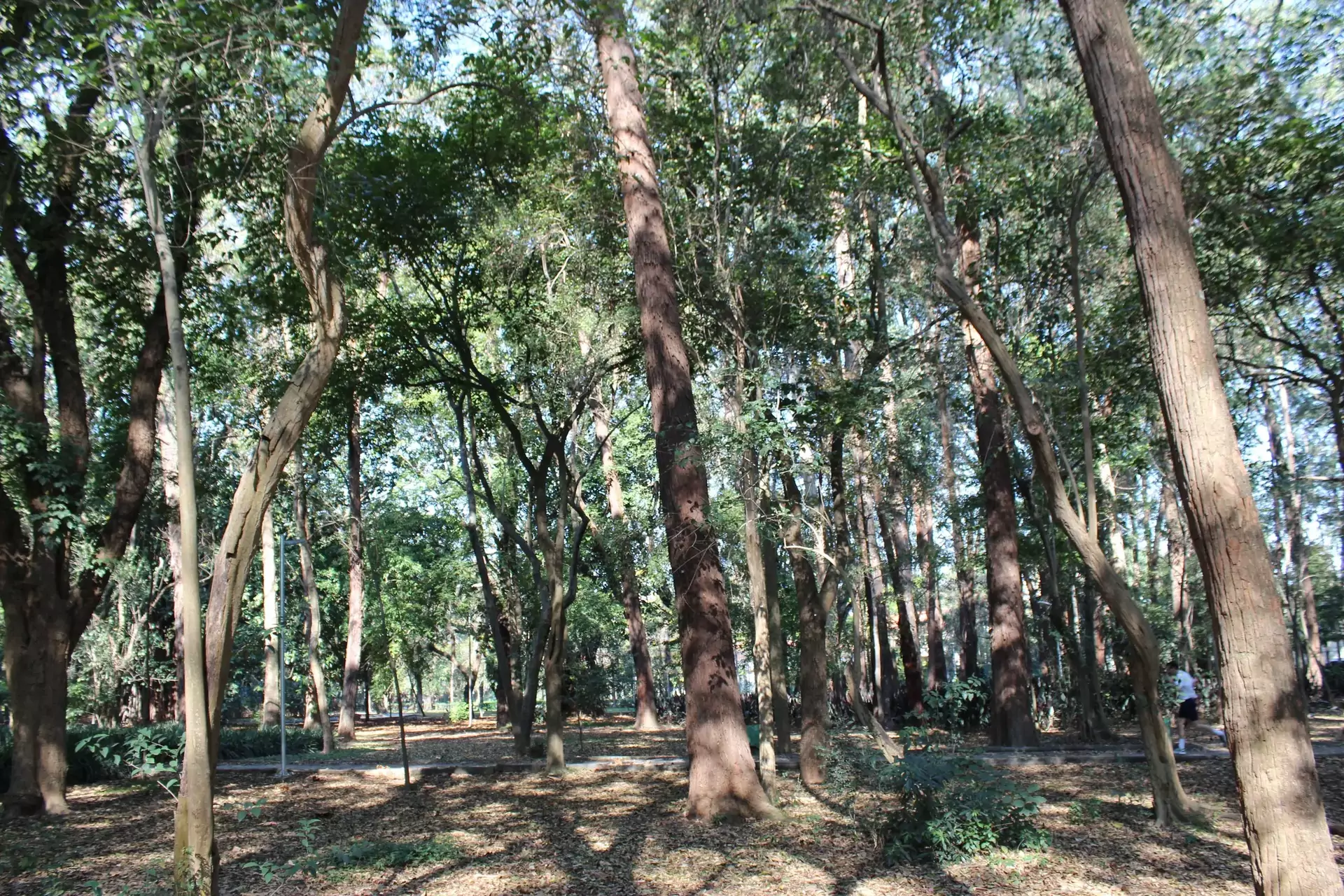
Ibirapuera Park is a sprawling urban park offering a calm and scenic escape in one of the world’s busiest cities. Covering approximately 158 hectares, it is São Paulo's most famous park and features well-maintained trails, lakes and museums, blending nature with culture.
The park hosts several cultural institutions, including the Museu Afro Brasil and the Museu de Arte Moderna, which showcase Brazil’s rich artistic and cultural heritage. The park's planetarium and the iconic Oca exhibition hall provide interactive and educational experiences for visitors of all ages.
Outdoor enthusiasts enjoy jogging, cycling or relaxing by the lake, while families appreciate the playgrounds and open spaces for picnics. The park also hosts major outdoor concerts and festivals, making it a lively social hub.
Visitors should note that parts of the park may get crowded on weekends and holidays. It’s wise to take precautions for sun protection during the hotter months and check opening hours for some institutions within the park. Overall, Ibirapuera Park balances urban life with green tranquility beautifully.
Ibirapuera Park is located near the city center of São Paulo and is accessible by metro and bus from São Paulo/Guarulhos International Airport, which is about 25 kilometers away. Taxi or rideshare services take around 40‑50 minutes depending on traffic. Public transport options are frequent and convenient for visitors.
São Paulo offers a broad selection of accommodations near Ibirapuera Park, from luxury hotels to budget-friendly options, conveniently located for both park visits and exploring the city.


Log in to add this place to a travel list and get a summary of all recommended items for your whole trip.
We calculate the average costs when travelling to destinations and compare those with the living costs at your home. With this you can get an estimate of how expensive or cheap the destination is for you.
To customise this, you can set up which location and price level are used for the calculations in your account settings.
The exchange rate price factor shows how expensive or cheap a currency currently is compared to its historical average. It's a quick way to see if a country is currently more or less affordable due to exchange rate changes.
