







Was this page helpful?

These place ratings give you a quick overview of how well a destination matches different types of trips.
‘Best for’ scores:
The specific interest scores show where this place really shines – whether it's ideal for hiking, food & drink experiences, museums or other activities. These highlights help you understand what makes the destination special at a glance.
‘Your personal’ scores:
This reflects how well a place matches your personal preferences. You can adjust the importances of travel topics or other personal requirements categories in your account settings.
‘Suited for’ badges:
These give you a quick overview of how well a destination suits specific types of travellers, to help you find the places that match your lifestyle, preferences or travel situation.
| Power Grid: |
220 V, 50 Hz Plug: Type A , Type C
Type A:
  Read about power adapters |
|---|---|
| Currency: |
Bolivian Boliviano (BOB) £1 ≈ BOB 15.88 |
| Cashless info: |
Rating 3/5
Cashless payments are becoming more common in Bolivia, particularly in larger cities, but cash is still widely used, especially in rural areas.
Save with a travel credit card |
| eSIM providers: |
Best value: Saily Flexibility: Airalo Read our in-depth comparison |
| Tipping: | Tipping is not mandatory in Bolivia, but leaving 10% in restaurants and small tips for taxi drivers or hotel staff is appreciated. |
|---|---|
| Public drinking: | Public drinking is not common in Bolivia and is not widely accepted outside of private spaces or licensed establishments. |
| Public smoking: | Smoking is allowed in designated smoking areas and licensed establishments but is prohibited in most indoor public spaces. |
| Dia del Trabajo (Labour Day) (May) |
Expect some business closures and public celebrations. |
|---|---|
| Carnival (February) |
Expect lively celebrations, street parties, and crowded events. |
| Emergency contact: | Emergency Numbers: 110 (Police), 118 (Ambulance), 119 (Fire) |
|---|---|
| Taxi apps: | Cabify, Uber |
| Other: | Bolivia offers a range of natural attractions, including the Uyuni salt flats, the Amazon rainforest, and the high-altitude city of La Paz. |
The best times to travel section shows how the months compare for a visit, so you can find the time of year that fits what you want to do.
Background colours of the months:
The colour shows the typical temperature: yellow (hot), green (mild) and blue (cold). How strong the colour is shows the travel season: full colour means high season, soft colour means shoulder season and soft-striped means off season.
Weather symbols:
Each month has one symbol showing what the weather is typically like, such as hot and sunny, freezing or a rainy or snowy season. Use them to quickly spot months that match the weather you want, or to avoid the ones that don't.
Crowdedness:
The people icon shows how busy the place usually is. The more people, the more crowded it gets.
Additional notes:
The grey info boxes point out special things worth knowing, like recurring weather issues or seasonal events.
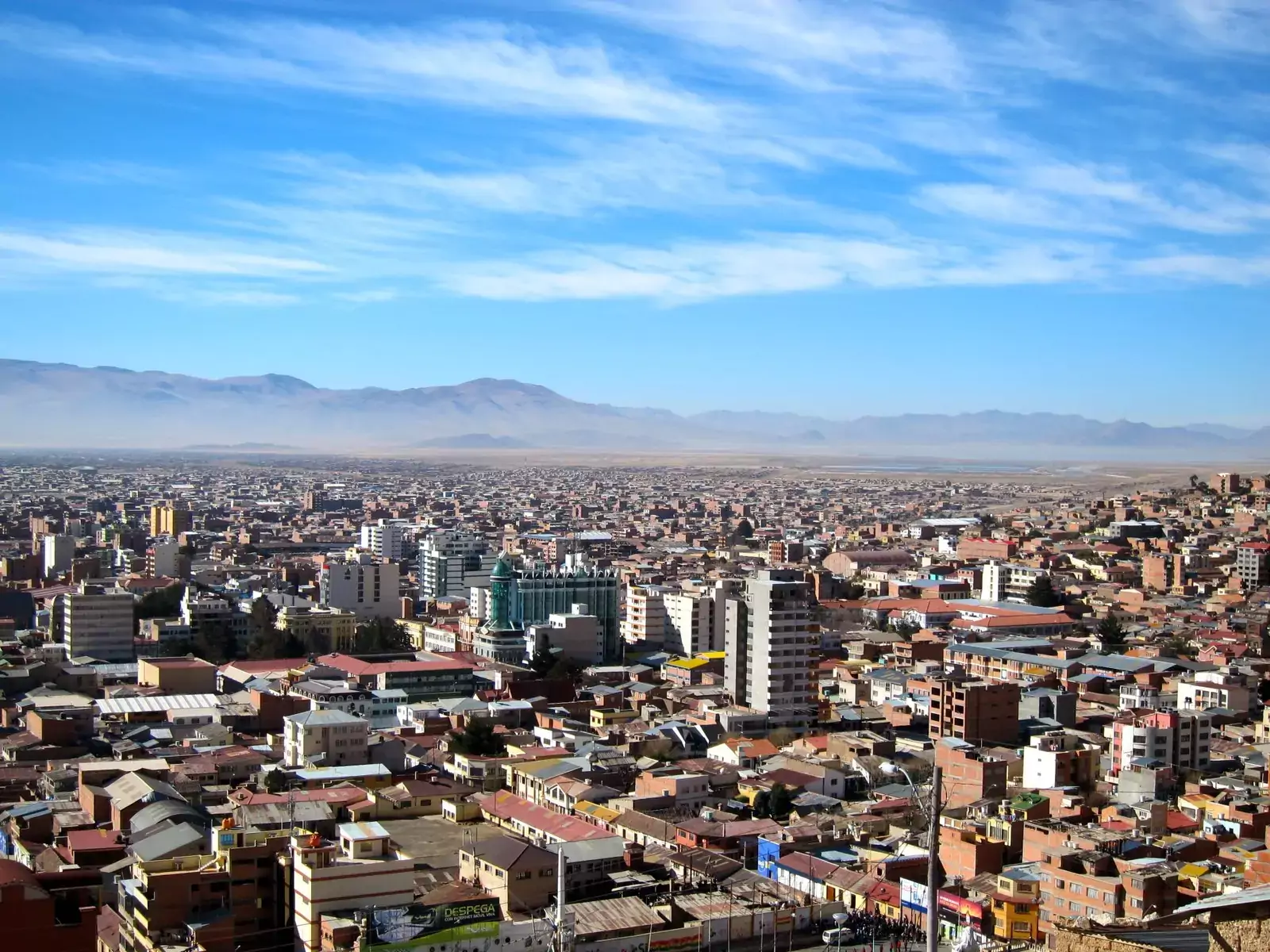
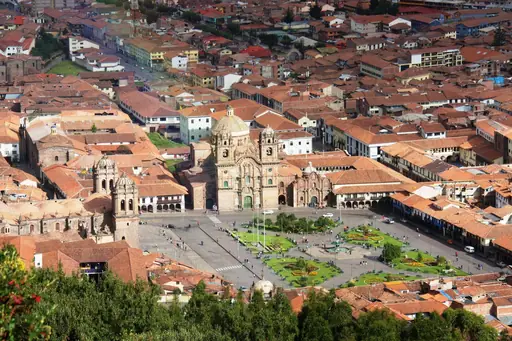
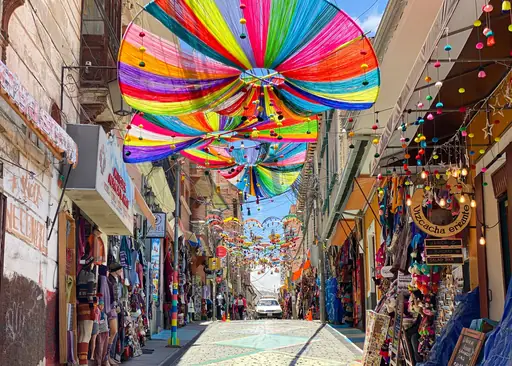
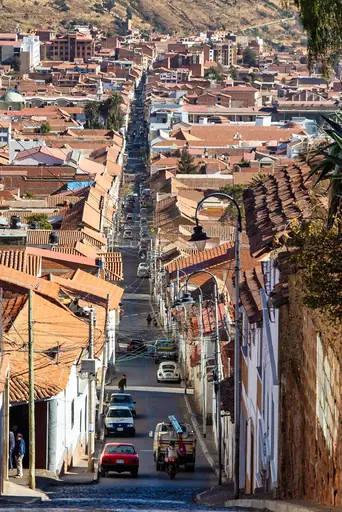
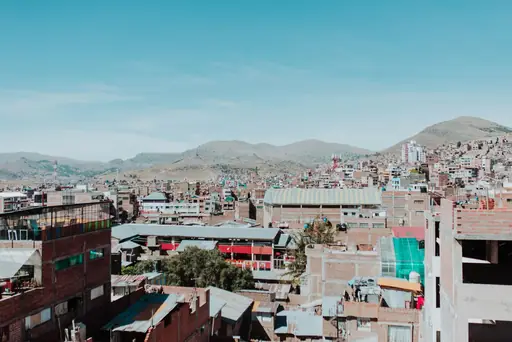
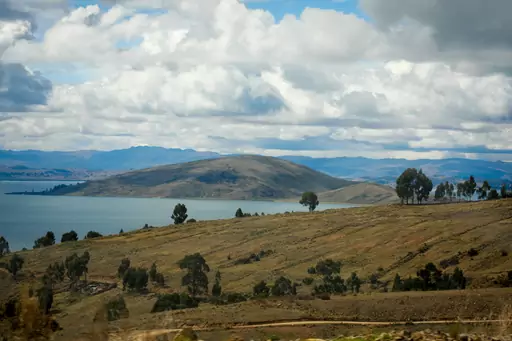
Oruro, a high‑altitude city in the Bolivian Andes, offers travelers a unique blend of cultural heritage and natural beauty. Situated at 3,700 meters above sea level, it provides crisp mountain air and panoramic views of surrounding volcanoes. The city’s historic center is a UNESCO World Heritage site, with colonial architecture, cobblestone streets and the impressive Cathedral of San Juan Bautista. Visitors can explore local markets where artisans sell traditional textiles and silver jewelry, reflecting the region’s rich mining history. One of Oruro’s most celebrated events is the Carnival of Oruro, held each February. The festival showcases elaborate costumes, vibrant music and folkloric dances that narrate indigenous myths. Even outside carnival season, the city hosts cultural festivals, art exhibitions and live performances that highlight Bolivia’s diverse traditions. Nature enthusiasts will appreciate nearby attractions such as the Salar de Uyuni, the world’s largest salt flat, which is a short drive away. The surrounding Andes offer hiking trails with opportunities to spot Andean condors and other wildlife. For those interested in gastronomy, Oruro offers hearty dishes like “pique macho” and “trucha,” prepared with local ingredients. Overall, Oruro provides an authentic experience of Bolivia’s history, culture and landscapes without the crowds found in larger cities.
Oruro, Bolivia, is accessible via Oruro International Airport (ORU), located approximately 12 kilometers northeast of the city center. The airport offers domestic flights from La Paz and Santa Cruz de la Sierra, as well as limited international connections to cities like Lima and Buenos Aires. For ground transport, taxis and shared minibuses operate regularly between the airport and central Oruro, with fares averaging around BOB 15 – 20 (£0.96 – 1.28). Buses also provide an affordable option for travelers heading to nearby destinations such as Uyuni or Potosí. The city’s compact layout makes walking a viable choice for exploring its cultural sites once in the urban core.
Oruro offers a mix of modest guesthouses and mid‑range boutique lodgings that cater to travelers seeking comfort without extravagance. Most accommodations are family‑run, featuring traditional Bolivian décor and local cuisine in their on‑site restaurants. The city’s historic center hosts several colonial‑style inns with charming courtyards, while newer developments along the main avenues provide contemporary rooms equipped with Wi‑Fi and air conditioning. Prices vary from budget options around BOB 30 (£1.92) per night to upscale boutique stays near BOB 80 (£5.11), reflecting the range of services offered. Oruro is especially noted for its rustic mountain lodges that offer panoramic views of the surrounding highlands, appealing to those who enjoy a blend of cultural immersion and natural scenery.
We calculate the average costs when travelling to destinations and compare those with the living costs at your home. With this you can get an estimate of how expensive or cheap the destination is for you.
To customise this, you can set up which location and price level are used for the calculations in your account settings.
The exchange rate price factor shows how expensive or cheap a currency currently is compared to its historical average. It's a quick way to see if a country is currently more or less affordable due to exchange rate changes.
To help you plan your trip, we provide estimated daily costs per person (when travelling as a pair) for different travel styles. These numbers give you an idea of what you might spend each day at this destination, including accommodation, food, transport and activities.
Additionally, we also provide average hotel costs for different travel styles to give you an estimate for the accommodation only.
Please note that these are only estimates. The real costs depend on booking times, season and other factors.
Travel style categories explained:
Backpacker:
Staying in hostels or budget hotels, cooking your own meals or eating cheap and choosing low-cost activities.
Mid-range:
Staying in mid-range hotels, eating at a mix of restaurants and casual spots and enjoying a variety of activities.
Luxury:
Staying in luxury hotels, dining out at high-end restaurants and enjoying premium experiences without worrying about the price.
| Backpacker | Mid-range | Luxury | |
|---|---|---|---|
| 💵 Total costs per day, including accommodation | |||
| 🏨 Accommodation per night, per person | |||
| 🍝 Food per day | |||
| 🚕 Transportation per day |
| 🍽️ Restaurant Dinner, per person | |
|---|---|
| 🍛 Lunch Set, per person | |
| 🍟 Fast food combo | |
| 🍝 Preparing your own food, per day | |
| ☕ Cappuccino | |
| 🍺 Beer in a restaurant, 0.5 l |
| 🚌 Public transport ticket | |
|---|---|
| 🚕 Taxi Ride, 10 km / 6 mi | |
| ⛽ Petrol, 1 l |
| 🎞️ Cinema ticket | |
|---|---|
| 👩⚕️ Doctor's consult | |
| 🤧 Cold medication | |
| 💇 Basic haircut |
Log in to add this place to a travel list and get a summary of all recommended items for your whole trip.
