





Was this page helpful?

| Public website: | www.summitpost.org |
|---|
| Power Grid: |
120 V, 60 Hz Plug: Type A , Type B
Type A:
  Read about power adapters |
|---|---|
| Currency: |
US Dollar (USD) £1 ≈ US$1.33 |
| Cashless info: |
Rating 5/5
The U.S. is highly cashless, with credit and debit cards accepted almost everywhere. Mobile payment options like Apple Pay and Google Pay are widely used.
Save with a travel credit card |
| eSIM providers: |
Best value: Saily Flexibility: Airalo Read our in-depth comparison |
| Tipping: | Tipping is customary and expected in the U.S. In restaurants, 15-20% is standard. Taxi drivers, hotel staff, and tour guides also expect tips, usually around 10-20% depending on the service. |
|---|---|
| Public drinking: | Public drinking laws vary by state, but it is generally prohibited in public spaces without a permit. |
| Public smoking: | Smoking is restricted in most indoor public spaces and some outdoor areas. Local laws vary. |
| Etiquette: | Greet with a firm handshake, maintain eye contact, respect personal space, and avoid discussing politics or income unless invited to share opinions. Politeness and friendliness are appreciated. |
| Thanksgiving (November) |
A major holiday with closures and domestic travel surges. |
|---|---|
| Independence Day (July) |
Expect parades, fireworks, and celebrations nationwide. |
| Christmas (December) |
Markets, festive events, and crowded tourist spots. |
| Emergency contact: | Emergency Number: 911 (Police, Fire, Ambulance) |
|---|---|
| Taxi apps: | Uber, Lyft, Bolt |
| Helpful links: |
Wikipedia Visa regulations Customs & border control Travel with medicine |
| Other: | The U.S. is known for its diverse landscapes, cultural experiences, and regional cuisines. Public transport is efficient in cities but less so in rural areas. Renting a car is recommended for exploring national parks. |
The best times to travel section shows how the months compare for a visit, so you can find the time of year that fits what you want to do.
Background colours of the months:
The colour shows the typical temperature: yellow (hot), green (mild) and blue (cold). How strong the colour is shows the travel season: full colour means high season, soft colour means shoulder season and soft-striped means off season.
Weather symbols:
Each month has one symbol showing what the weather is typically like, such as hot and sunny, freezing or a rainy or snowy season. Use them to quickly spot months that match the weather you want, or to avoid the ones that don't.
Crowdedness:
The people icon shows how busy the place usually is. The more people, the more crowded it gets.
Additional notes:
The grey info boxes point out special things worth knowing, like recurring weather issues or seasonal events.
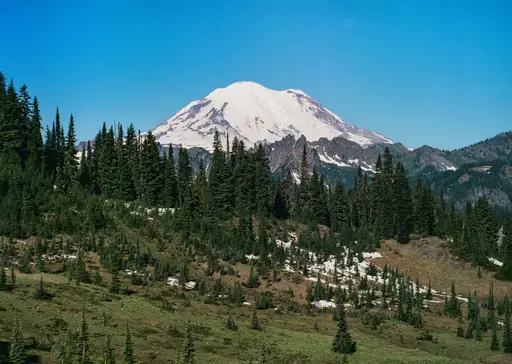
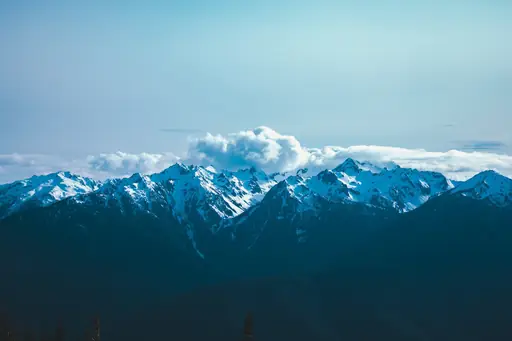
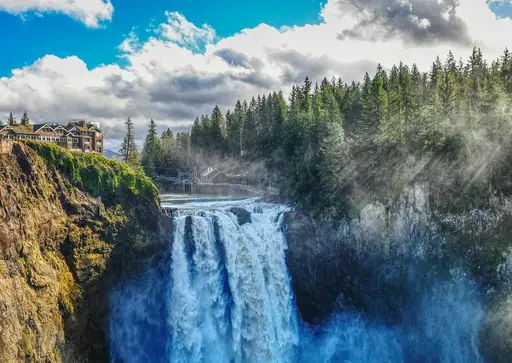
Mount Olympus rises in Washington State as a prominent peak within the Cascade Range. Its rugged slopes attract hikers and climbers seeking challenging trails and sweeping views of surrounding forests and lakes. The mountain’s elevation reaches over 7,900 feet above sea level creating varied terrain that supports diverse plant life from dense evergreen woodlands to alpine meadows.
The area around Mount Olympus features a network of paths suitable for different skill levels. Many visitors start at trailheads near the town of Enchantment which provides basic supplies and information about current conditions. Weather can change quickly here so carrying rain gear and extra layers remains important throughout the year. Early mornings often bring mist over the valleys while afternoons reveal clear skies that stretch for miles.
Wildlife sightings are common along the routes with black bears deer and numerous bird species frequently spotted near streams. The mountain’s glaciers feed rivers below which supply water to nearby communities. Conservation efforts protect habitats ensuring native plants and animals thrive despite increasing visitor numbers. Park rangers monitor trail erosion and educate hikers about minimizing impact.
Visitors should prepare for changing conditions by checking forecasts before heading out. Campgrounds near the base allow overnight stays with permits required in peak seasons. Photography opportunities abound especially at sunrise when golden light hits snow-capped ridges. Respecting park rules helps preserve Mount Olympus’s natural beauty for future generations to experience.
Mount Olympus in Washington State is accessible via several routes depending on the starting point. The nearest major city, Seattle, is approximately a 2-hour drive south via Interstate 90 or Highway 99. From Tacoma, it’s about an hour and a half north through scenic routes along Puget Sound. Public transportation options include Amtrak trains to nearby cities with shuttle services to trailheads, though availability may vary seasonally. For those driving from Vancouver, BC, the journey takes roughly 2.5 hours south via I-5. The mountain is surrounded by Olympic National Park and visitors should check road conditions during winter months due to potential snow closures on higher elevation routes.
Mount Olympus offers a range of lodging that caters to both back‑country adventurers and family vacationers. Near the summit’s trailhead, rustic cabins and lodges provide basic amenities – wood‑fired stoves, shared bathrooms and easy access to day hikes – for under US$100 (£75.15) per night. In the nearby town of Mount Olympus, a handful of mid‑scale inns offer comfortable rooms with private baths, complimentary breakfast and rates around US$150 – 200 (£112.73 – 150.31). For those seeking luxury, boutique hotels in the surrounding valley feature gourmet dining, spa services and panoramic views, with prices climbing to US$300 (£225.46)+ per night. Many accommodations emphasize eco‑friendly practices, using solar power and locally sourced materials, reflecting the area’s reputation for sustainable tourism.
Log in to add this place to a travel list and get a summary of all recommended items for your whole trip.
We calculate the average costs when travelling to destinations and compare those with the living costs at your home. With this you can get an estimate of how expensive or cheap the destination is for you.
To customise this, you can set up which location and price level are used for the calculations in your account settings.
The exchange rate price factor shows how expensive or cheap a currency currently is compared to its historical average. It's a quick way to see if a country is currently more or less affordable due to exchange rate changes.
