









Was this page helpful?

| Power Grid: |
120 V, 60 Hz Plug: Type A , Type B
Type A:
  Read about power adapters |
|---|---|
| Currency: |
US Dollar (USD) £1 ≈ US$1.33 |
| Cashless info: |
Rating 4/5
Cashless payments are widely accepted in Panama, especially in larger cities and tourist areas.
Save with a travel credit card |
| eSIM providers: |
Best value: Saily Flexibility: Airalo Read our in-depth comparison |
| Tipping: | Tipping is common in Panama, with 10% being the usual amount in restaurants. Taxis and hotel staff appreciate small tips. |
|---|---|
| Public drinking: | Public drinking is prohibited in Panama. Alcohol consumption is allowed only in licensed venues or private spaces. |
| Public smoking: | Smoking is allowed in designated areas, but smoking indoors in public spaces is generally restricted. |
| Independence Day (3 November) |
Celebrating Panama’s independence from Colombia |
|---|
| Emergency contact: | Emergency Number: 911 (Police, Fire, Ambulance) |
|---|---|
| Taxi apps: | Uber |
| Other: | Panama is known for its Panama Canal, rich biodiversity, and vibrant culture. The country offers a mix of urban and natural attractions. |
The best times to travel section shows how the months compare for a visit, so you can find the time of year that fits what you want to do.
Background colours of the months:
The colour shows the typical temperature: yellow (hot), green (mild) and blue (cold). How strong the colour is shows the travel season: full colour means high season, soft colour means shoulder season and soft-striped means off season.
Weather symbols:
Each month has one symbol showing what the weather is typically like, such as hot and sunny, freezing or a rainy or snowy season. Use them to quickly spot months that match the weather you want, or to avoid the ones that don't.
Crowdedness:
The people icon shows how busy the place usually is. The more people, the more crowded it gets.
Additional notes:
The grey info boxes point out special things worth knowing, like recurring weather issues or seasonal events.
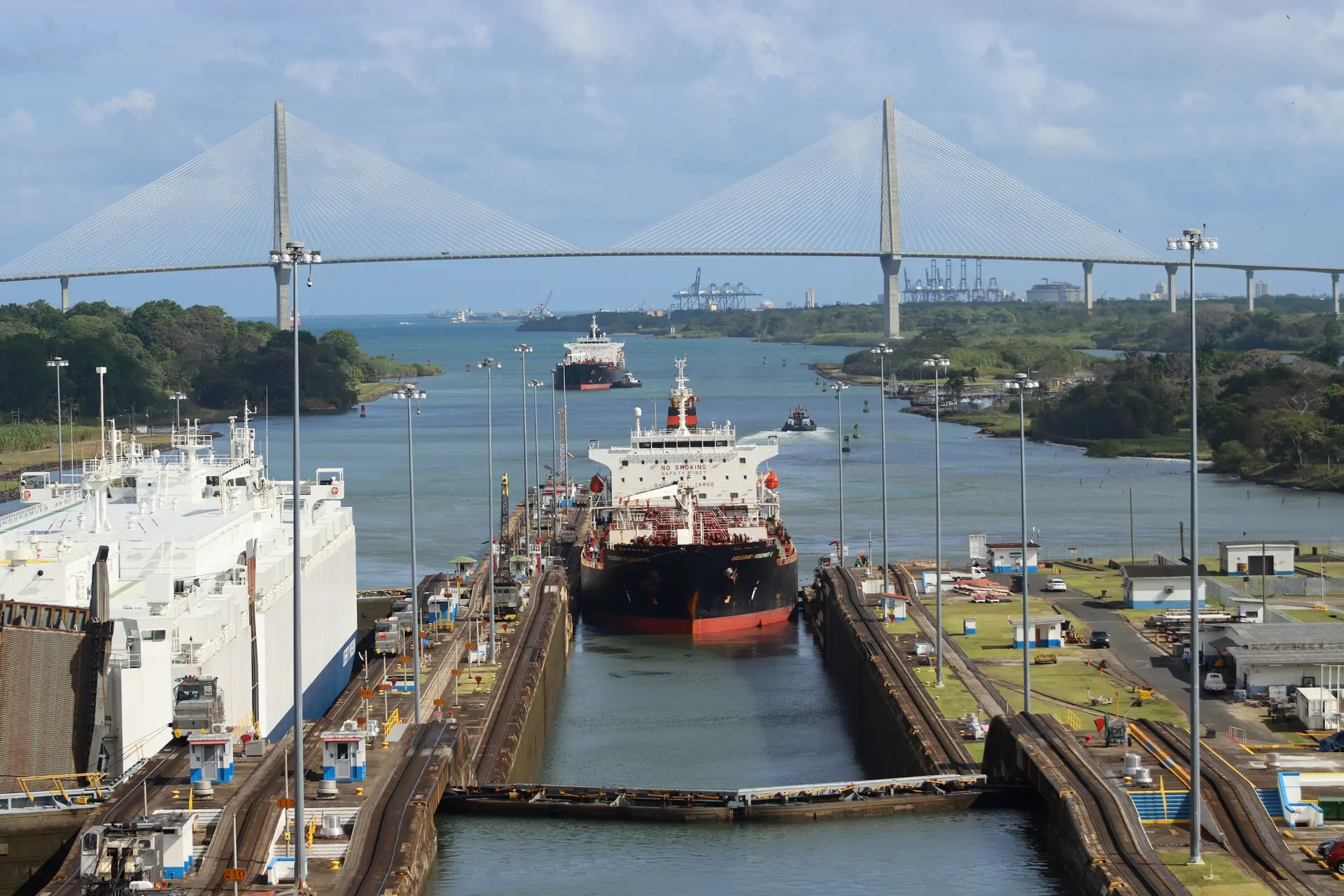
The Panama Canal stands as a major engineering achievement in central America. It connects two large bodies of water and makes global shipping more efficient. The canal cuts through the narrowest part of the Isthmus of Panama. This reduces travel time for ships moving between oceans.
Since its opening in 1914 the canal has shaped trade routes worldwide. Vessels pass through a series of locks that raise and lower boats to match water levels on each side. The process relies on careful planning and precise timing. Thousands of ships use this route every year carrying goods across continents.
Visitors can explore the area around the canal and learn about its history at museums and observation points. Guides explain how workers built the structure despite difficult terrain and tropical weather. Boat tours let people see locks in action and understand why this waterway remains important for commerce today. The surrounding landscape includes forests and wetlands that support diverse wildlife.
Efforts to protect the canal’s environment are ongoing. Conservation projects focus on preserving water quality and protecting nearby habitats. Local communities benefit from jobs related to tourism and maintenance work. The canal continues to play a key role in connecting markets while balancing ecological concerns with economic needs.
The Panama Canal is accessible via several transportation routes, primarily through the Panamanian capital city of Panama City. The closest major airport is Tocumen International Airport (PTY), which connects to North American and international destinations. From Panama City, travelers can reach the canal by road or bus; the main highway runs along the Pacific coast and passes near key locks such as Miraflores and Gatun. Public transportation includes buses operated by companies like Metro Bus and private shuttles that serve cruise ship terminals in Balboa. Additionally, some tour operators offer guided transfers from Panama City to the canal area for visitors seeking organized access.
The area surrounding the Panama Canal offers a wide range of lodging options that cater to both budget travelers and those seeking luxury. In the city of Balboa, you’ll find boutique guesthouses with colonial charm, as well as modern serviced apartments equipped with panoramic canal views. Near the Miraflores Locks, several upscale resorts provide private pools, spa facilities and gourmet dining, making it a popular choice for business conferences and leisure stays alike. For travelers on a tighter budget, hostels and mid‑range hotels in Panama City’s Casco Viejo district offer comfortable rooms with easy access to transit routes that connect directly to the canal’s visitor center. The region is also renowned for eco‑lodges nestled along the rainforest trails, offering sustainable accommodations that blend rustic aesthetics with contemporary amenities.
Log in to add this place to a travel list and get a summary of all recommended items for your whole trip.
We calculate the average costs when travelling to destinations and compare those with the living costs at your home. With this you can get an estimate of how expensive or cheap the destination is for you.
To customise this, you can set up which location and price level are used for the calculations in your account settings.
The exchange rate price factor shows how expensive or cheap a currency currently is compared to its historical average. It's a quick way to see if a country is currently more or less affordable due to exchange rate changes.
