












Was this page helpful?

| Public website: | www.niagarafalls.ca |
|---|
The best times to travel section shows how the months compare for a visit, so you can find the time of year that fits what you want to do.
Background colours of the months:
The colour shows the typical temperature: yellow (hot), green (mild) and blue (cold). How strong the colour is shows the travel season: full colour means high season, soft colour means shoulder season and soft-striped means off season.
Weather symbols:
Each month has one symbol showing what the weather is typically like, such as hot and sunny, freezing or a rainy or snowy season. Use them to quickly spot months that match the weather you want, or to avoid the ones that don't.
Crowdedness:
The people icon shows how busy the place usually is. The more people, the more crowded it gets.
Additional notes:
The grey info boxes point out special things worth knowing, like recurring weather issues or seasonal events.
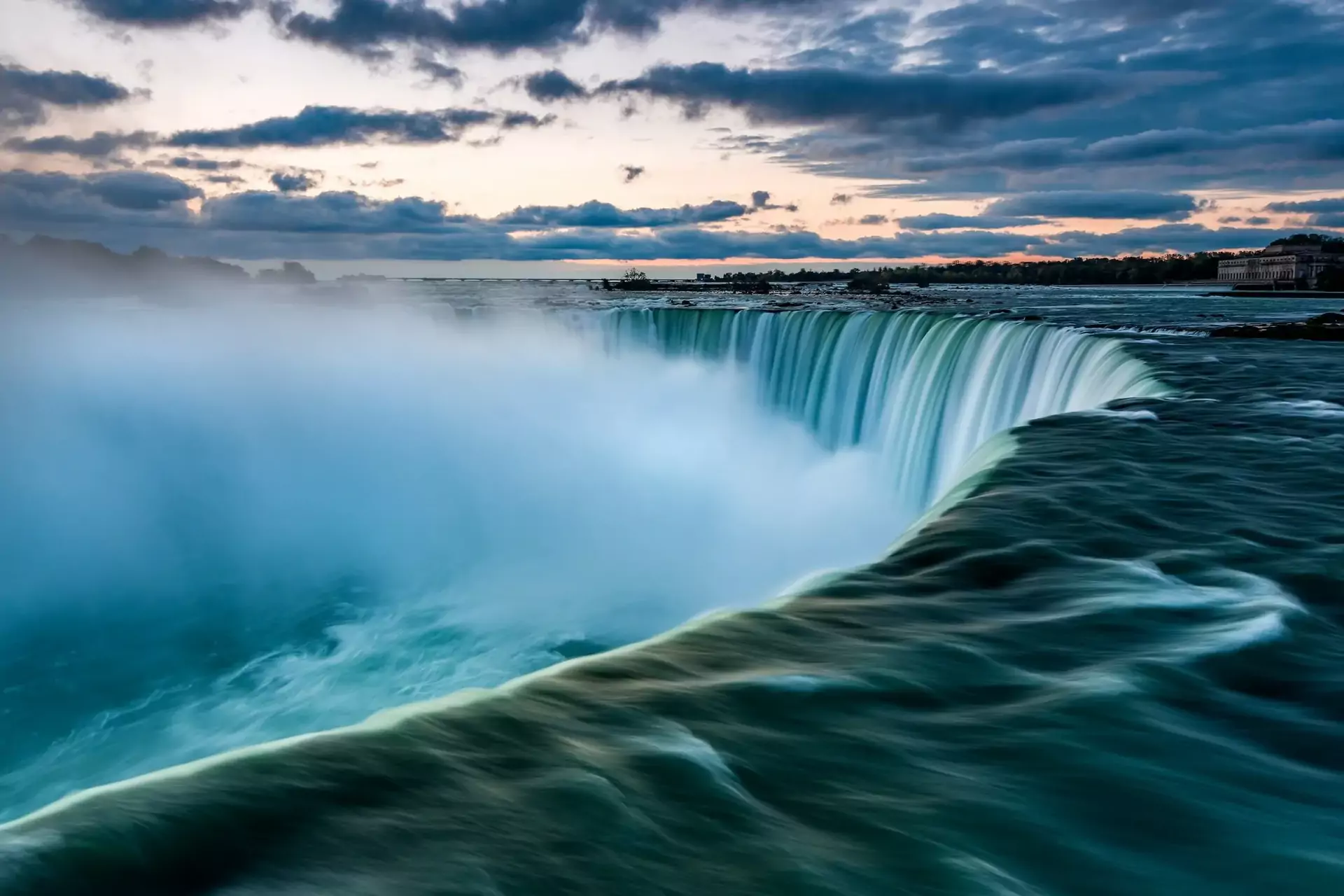
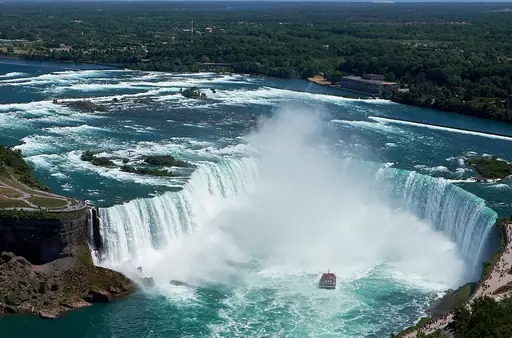
Niagara Falls presents a powerful display of nature’s force. The falls split into three main sections: Horseshoe Falls American Falls and Bridal Veil Falls. Water rushes over steep cliffs creating thunderous sounds that travel far downstream. Visitors experience mist rising from the plunge pool making rainbows appear on sunny days.
The area around the falls includes parks designed for safe viewing. Paths run along both sides of the river allowing close observation without risking safety. Observation decks provide elevated perspectives while boat tours bring travelers nearer to the base of cascading water. Seasonal changes shift lighting and crowd sizes making each visit distinct.
History surrounds Niagara Falls with old mills and canals still visible today. Early settlers used the falls for energy and transportation routes shaped by the landscape. Today hydroelectric plants harness power from flowing currents while preserving scenic elements. Cultural events happen throughout the year drawing crowds interested in music art or local cuisine.
Travelers can explore nearby towns known for wineries orchards and small shops selling handmade goods. Cycling paths connect communities offering relaxed ways to see details often missed from main roads. Weather varies widely across seasons so packing layers proves useful whether visiting summer crowds or winter ice formations.
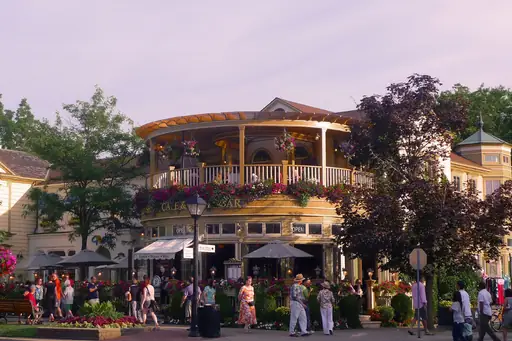
Niagara Falls is a spectacle of raw power and beauty, drawing millions of visitors every year. Whether you're on a boat getting drenched by the mist, walking along scenic trails or enjoying the falls lit up at night, the experience is mesmerizing. The surrounding area offers plenty of entertainment, from observation decks and parks to casinos and nightlife. However, it can be very touristy and crowded, so visiting early in the day or during off-season months is recommended.
The closest major airports are Toronto Pearson International Airport (Canada) and Buffalo Niagara International Airport (USA). From Toronto, you can take a direct bus, train or rent a car (about 90 minutes). From Buffalo, it's a 30-minute drive or bus ride. The Rainbow Bridge allows for pedestrian crossing between the U.S. and Canadian sides.
Niagara Falls has a range of accommodations, from budget motels to luxury hotels with falls-view rooms. Staying on the Canadian side generally offers better views and more entertainment options, while the U.S. side is quieter and closer to nature trails.


Log in to add this place to a travel list and get a summary of all recommended items for your whole trip.
We calculate the average costs when travelling to destinations and compare those with the living costs at your home. With this you can get an estimate of how expensive or cheap the destination is for you.
To customise this, you can set up which location and price level are used for the calculations in your account settings.
