





Was this page helpful?

| Opening hours: |
|
||
|---|---|---|---|
| Public website: | cenoteyokdzonot.weebly.com |
| Power Grid: |
127 V, 60 Hz Plug: Type A , Type B
Type A:
  Read about power adapters |
|---|---|
| Currency: |
Mexican Peso (MXN) £1 ≈ MX$24.84 |
| Cashless info: |
Rating 4/5
Cashless payments are becoming more common in urban areas. Major cities like Mexico City and Guadalajara accept credit cards and mobile payments, but cash is still the preferred payment method in many places.
Save with a travel credit card |
| eSIM providers: |
Best value: Saily Flexibility: Airalo Read our in-depth comparison |
| Tipping: | Tipping is customary in Mexico. In restaurants, leave 10-15% for good service. Taxi fares should be rounded up. Small tips are appreciated by hotel staff and service workers. |
|---|---|
| Public drinking: | Public drinking is not allowed in most areas, though it is permitted in some tourist zones and beaches. Be cautious about local laws regarding alcohol consumption in public spaces. |
| Public smoking: | Smoking is allowed in designated areas in public spaces, but most indoor places such as restaurants and shops have non-smoking policies. |
| Independence Day (16 September) |
Major national celebration with parades and festivities |
|---|---|
| Day of the Dead (1–2 November) |
Traditional celebrations honouring deceased loved ones |
| Emergency contact: | Emergency Number: 911 (Police, Fire, Ambulance) |
|---|---|
| Taxi apps: | Uber, Didi, Cabify |
| Other: | Mexico offers rich cultural experiences, beautiful beaches, and diverse landscapes. Travellers should take standard safety precautions and be mindful of their surroundings. |
The best times to travel section shows how the months compare for a visit, so you can find the time of year that fits what you want to do.
Background colours of the months:
The colour shows the typical temperature: yellow (hot), green (mild) and blue (cold). How strong the colour is shows the travel season: full colour means high season, soft colour means shoulder season and soft-striped means off season.
Weather symbols:
Each month has one symbol showing what the weather is typically like, such as hot and sunny, freezing or a rainy or snowy season. Use them to quickly spot months that match the weather you want, or to avoid the ones that don't.
Crowdedness:
The people icon shows how busy the place usually is. The more people, the more crowded it gets.
Additional notes:
The grey info boxes point out special things worth knowing, like recurring weather issues or seasonal events.
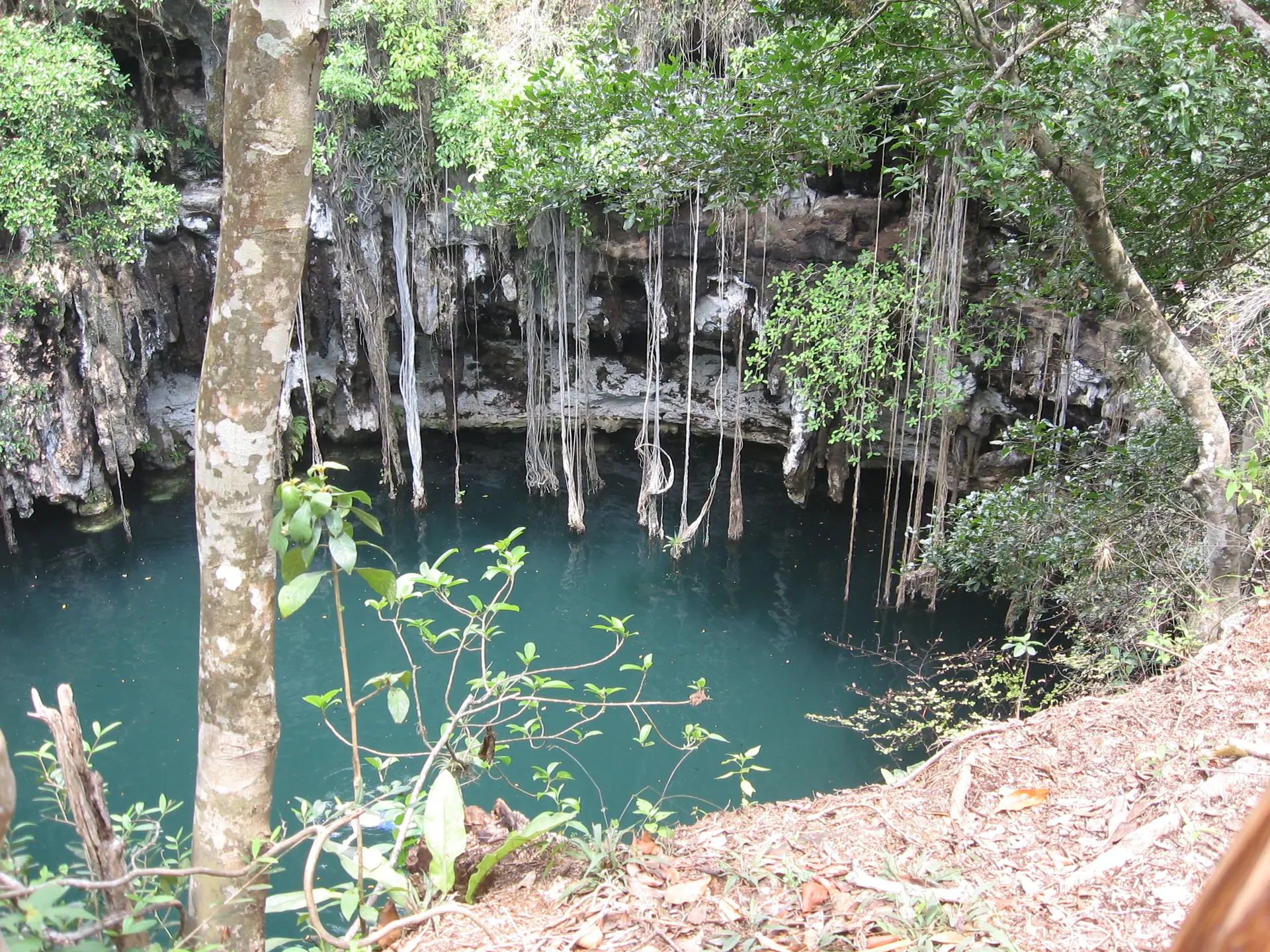
Yukdzonot Cenote is a natural sinkhole located in Mexico’s Yucatán Peninsula. This site features clear turquoise water surrounded by limestone walls covered in moss and small trees. The cenote sits within a protected area where the groundwater feeds into the underground river system common to the region. Visitors can see how sunlight filters through openings above creating shimmering patterns on the surface.
The water temperature stays steady year round making it comfortable for swimming or snorkeling. Many travelers come to explore the submerged caves and tunnels that connect to larger bodies of water underground. The air around the cenote feels fresh with a light breeze carrying hints of tropical vegetation. Some spots allow access to deeper sections while others remain shallow enough for casual entry.
Local guides often share stories about how ancient communities used these waters for daily needs and rituals. Today people visit both for relaxation and curiosity about the unique ecosystem. The site supports diverse plant life including orchids growing on rocks above the water. Birds can be heard calling from nearby treetops adding natural sounds to the atmosphere.
Access requires following posted rules to protect fragile formations and maintain safety. Visitors should bring reef-safe sunscreen and avoid touching delicate structures. Photography is allowed but flash use may disturb wildlife. The area remains open during most daylight hours though checking weather updates helps plan visits when conditions stay calm. Respecting these spaces ensures they continue supporting both nature and cultural heritage for future generations.
Yukdzonot Cenote is accessible via a network of roads connecting it to major towns in Yucatán, Mexico. The nearest town is Tulum, approximately 60 kilometers away, reachable by Highway 307, which links the region to Cancún and Playa del Carmen. Public transportation includes buses operating between these cities, with travel times ranging from 1.5 to 2 hours. Private transfers or rental cars offer flexibility for direct access. The site lies within a protected natural area; visitors must follow designated paths and avoid restricted zones. Entry requires an entrance fee, payable at the site’s office. Accessibility is seasonal, as heavy rains may temporarily affect road conditions near the cenote’s entrance.
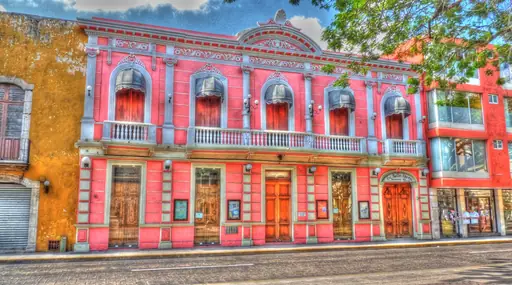
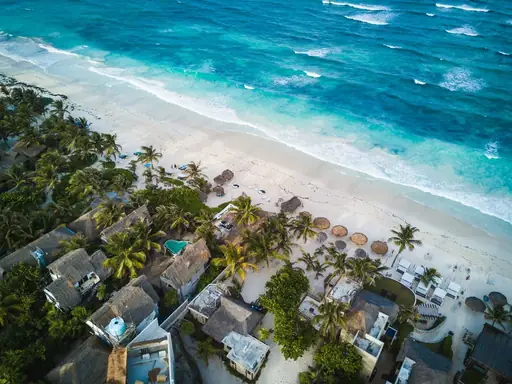
Near the Yokdzonot Cenote, lodging ranges from rustic eco‑villages to boutique inns that emphasize sustainability and local culture. Many guesthouses offer basic rooms with shared bathrooms for MX$600 – 1,000 (£24.15 – 40.25) per night, while mid‑range options provide private suites, Wi‑Fi and complimentary breakfast around MX$1,400 – 1,800 (£56.36 – 72.46). For travelers seeking higher comfort, upscale resorts feature plunge pools, spa services and guided cenote tours, priced between MX$3,000 (£120.76) and MX$5,000 (£201.27). The area is renowned for its “casa” style accommodations – traditional Mayan homes converted into charming lodgings that showcase local architecture and handcrafted décor. Seasonal packages often include river kayaking or night‑time stargazing, adding value to the stay.
Log in to add this place to a travel list and get a summary of all recommended items for your whole trip.
We calculate the average costs when travelling to destinations and compare those with the living costs at your home. With this you can get an estimate of how expensive or cheap the destination is for you.
To customise this, you can set up which location and price level are used for the calculations in your account settings.
The exchange rate price factor shows how expensive or cheap a currency currently is compared to its historical average. It's a quick way to see if a country is currently more or less affordable due to exchange rate changes.
