





Was this page helpful?

| Power Grid: |
127 V, 60 Hz Plug: Type A , Type B
Type A:
  Read about power adapters |
|---|---|
| Currency: |
Mexican Peso (MXN) £1 ≈ MX$24.84 |
| Cashless info: |
Rating 4/5
Cashless payments are becoming more common in urban areas. Major cities like Mexico City and Guadalajara accept credit cards and mobile payments, but cash is still the preferred payment method in many places.
Save with a travel credit card |
| eSIM providers: |
Best value: Saily Flexibility: Airalo Read our in-depth comparison |
| Tipping: | Tipping is customary in Mexico. In restaurants, leave 10-15% for good service. Taxi fares should be rounded up. Small tips are appreciated by hotel staff and service workers. |
|---|---|
| Public drinking: | Public drinking is not allowed in most areas, though it is permitted in some tourist zones and beaches. Be cautious about local laws regarding alcohol consumption in public spaces. |
| Public smoking: | Smoking is allowed in designated areas in public spaces, but most indoor places such as restaurants and shops have non-smoking policies. |
| Independence Day (16 September) |
Major national celebration with parades and festivities |
|---|---|
| Day of the Dead (1–2 November) |
Traditional celebrations honouring deceased loved ones |
| Emergency contact: | Emergency Number: 911 (Police, Fire, Ambulance) |
|---|---|
| Taxi apps: | Uber, Didi, Cabify |
| Other: | Mexico offers rich cultural experiences, beautiful beaches, and diverse landscapes. Travellers should take standard safety precautions and be mindful of their surroundings. |
The best times to travel section shows how the months compare for a visit, so you can find the time of year that fits what you want to do.
Background colours of the months:
The colour shows the typical temperature: yellow (hot), green (mild) and blue (cold). How strong the colour is shows the travel season: full colour means high season, soft colour means shoulder season and soft-striped means off season.
Weather symbols:
Each month has one symbol showing what the weather is typically like, such as hot and sunny, freezing or a rainy or snowy season. Use them to quickly spot months that match the weather you want, or to avoid the ones that don't.
Crowdedness:
The people icon shows how busy the place usually is. The more people, the more crowded it gets.
Additional notes:
The grey info boxes point out special things worth knowing, like recurring weather issues or seasonal events.
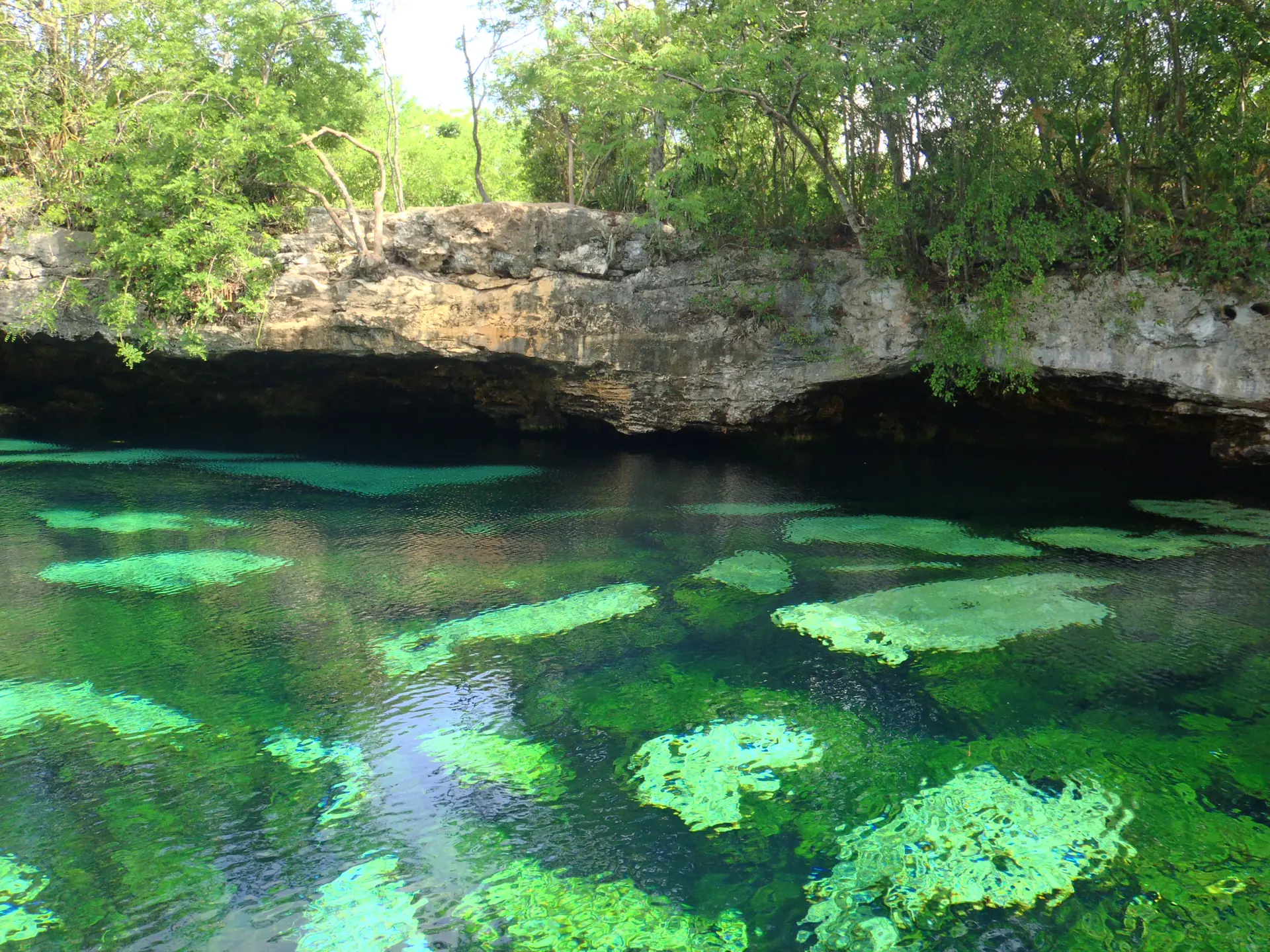
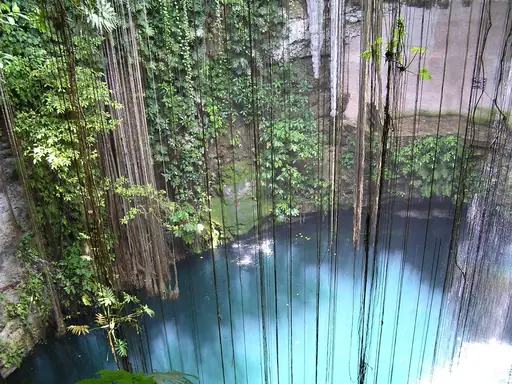
Cenote Azul is a natural swimming hole in Mexico’s Yucatán Peninsula. Formed by limestone bedrock collapsing over time water has filled the space creating clear blue pools surrounded by jungle. The site attracts visitors seeking cool relief from heat and opportunities to swim in freshwater springs that feel like liquid glass. Local guides explain how cenotes formed thousands of years ago when rainwater dissolved underground rock leaving behind these hidden reservoirs.
The water at Cenote Azul stays a steady 75 degrees year round making it ideal for swimming. Visitors can jump from low stone edges or float gently on the surface watching sunlight filter through trees above. Some areas have shallow sections perfect for families while deeper parts invite more experienced swimmers. The surrounding vegetation provides shade and the sound of dripping water adds to a calm atmosphere.
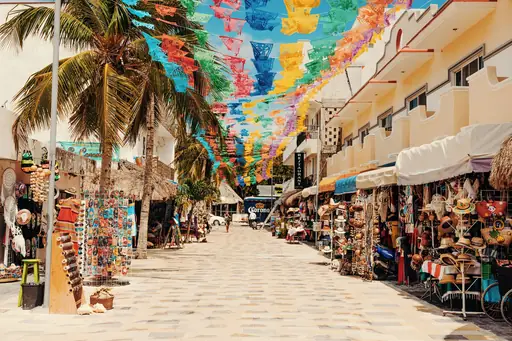
Many travelers explore nearby ruins and ancient Mayan sites adding cultural depth to their visit. Local communities sell handmade crafts and fresh fruit smoothies from small stalls near entry points. Respect for the environment matters here; swimming areas are marked with signs reminding people not to touch fragile rock formations or disturb wildlife. Guides recommend bringing reef-safe sunscreen to protect both skin and water quality.
Accessing Cenote Azul typically involves a short drive from Mérida or Tulum followed by a brief walk through jungle paths. Parking is limited so arriving early avoids crowds. Photography is allowed but flash photography near wildlife should be avoided. The site remains popular for school trips and family outings due to its manageable size and safety measures in place.
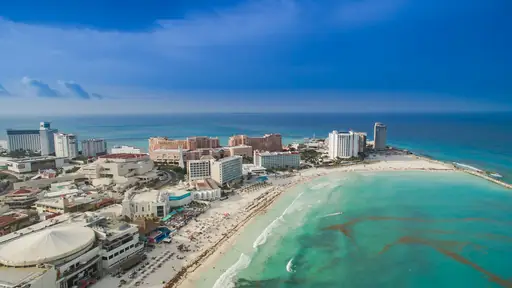
Access to Cenote Azul, located near Tulum in Quintana Roo, Mexico, is primarily by road. The site is reachable via Highway 180D, which connects major cities like Cancún and Playa del Carmen to the Tulum area. From Cancún, travelers can drive approximately one hour along well-maintained highways with clear signage. Public transportation options include buses operating from Cancún’s Terminal de Autobuses to Tulum, followed by a short taxi ride or local bus to the cenote entrance. Private vehicles offer flexibility, while guided tours often provide direct access and additional logistical support. The site is accessible year-round, though road conditions may vary during rainy seasons.
Near Cenote Azul in the Yucatán Peninsula, accommodations range from rustic eco‑lodges to upscale boutique inns. Many visitors choose family‑run cabinas that offer simple, locally sourced meals and easy access to the water’s edge, typically priced between MX$30 – 70 (£1.20 – 2.80) per night. For those seeking more comfort, several boutique hotels feature private plunge pools, organic gardens and guided tours of nearby Mayan ruins; nightly rates usually fall in the MX$120 – 200 (£4.80 – 8.00) bracket. The area is renowned for its “cabañas de madera” style – wooden cabins with thatched roofs that blend seamlessly into the jungle setting. Travelers can also find all‑inclusive resorts a short drive away, providing higher‑end amenities and larger group accommodations.


Log in to add this place to a travel list and get a summary of all recommended items for your whole trip.
We calculate the average costs when travelling to destinations and compare those with the living costs at your home. With this you can get an estimate of how expensive or cheap the destination is for you.
To customise this, you can set up which location and price level are used for the calculations in your account settings.
The exchange rate price factor shows how expensive or cheap a currency currently is compared to its historical average. It's a quick way to see if a country is currently more or less affordable due to exchange rate changes.
