Jasper climate data

Jasper, nestled in the Canadian Rockies, experiences a subarctic climate with four distinct seasons. Winters are long, cold, and snowy, while summers are mild and pleasantly warm. The region is known for its variable weather, abundant sunshine in summer, and breathtaking seasonal changes, making Jasper a year-round destination for outdoor enthusiasts and nature lovers.

Best times to travel

The best times to travel section shows how the months compare for a visit, so you can find the time of year that fits what you want to do.

Background colours of the months:
The colour shows the typical temperature: yellow (hot), green (mild) and blue (cold). How strong the colour is shows the travel season: full colour means high season, soft colour means shoulder season and soft-striped means off season.

Weather symbols:
Each month has one symbol showing what the weather is typically like, such as hot and sunny, freezing or a rainy or snowy season. Use them to quickly spot months that match the weather you want, or to avoid the ones that don't.

Crowdedness:
The people icon shows how busy the place usually is. The more people, the more crowded it gets.

Additional notes:
The grey info boxes point out special things worth knowing, like recurring weather issues or seasonal events.

for Jasper, Canada
🌨️
Jan
🌨️
Feb
🌨️
Mar
🌨️
Apr
🌦️
May
🌦️
Jun
🌦️
Jul
☀️
Aug
☀️
Sep
🌨️
Oct
🌨️
Nov
🌨️
Dec
High season: June - Sep.
Shoulder season: Jan. - March, May, Dec.
Crowdedness: 7 (Many tourists)
Tap on a month for more info Hover over a month for more info
Wildfire season July to September can bring smoke, trail closures and evacuations, check conditions before booking
Winter tyres required on the Icefields Parkway November to March, closures possible in storms
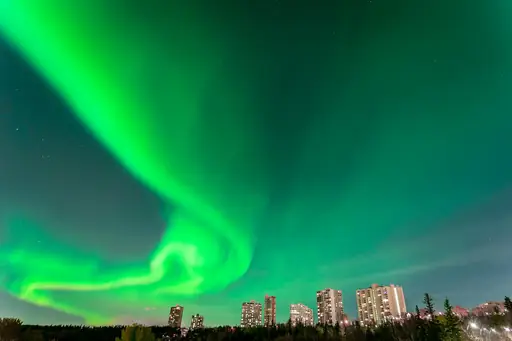
Dark Sky Festival, mid to late October: stargazing events in one of the world's largest dark sky preserves

The climate of Jasper

Jasper’s climate is shaped by its mountainous location, resulting in cold, snowy winters and mild, sunny summers. Winter (November to March) brings average highs from -8°C to -2°C and lows that can dip below -15°C, with frequent snow and occasional cold snaps reaching -30°C. The snow cover is reliable, supporting winter sports, and daylight is limited to 4–6 hours in mid-winter. Spring (April to May) sees a gradual thaw, with highs rising from 5°C to 18°C and nights often still frosty until late May. Rivers swell with snowmelt, and wildflowers begin to bloom.

Summer (June to August) is mild and comfortable, with average highs of 20–24°C and lows of 5–8°C. July is the warmest month, and daylight extends up to 16 hours, providing ample time for outdoor activities. Rainfall is moderate, and thunderstorms can occur, but most days are sunny. Autumn (September to October) brings cooler temperatures (10–17°C), crisp air, and vibrant foliage. Weather in Jasper can change rapidly year-round, so visitors should always be prepared for sudden shifts. Winds are generally light to moderate, but can be brisk in exposed areas, especially in winter and spring.

Average climate data for Jasper, Canada
Month Jan Feb Mar Apr May Jun Jul Aug Sep Oct Nov Dec Year
Average maximum temperature (°C) -7 -7 -3 2 9 13 17 17 11 3 -4 -8 17
Average minimum temperature (°C) -15 -17 -12 -8 -1 3 6 6 2 -4 -11 -15 -17
Average precipitation (mm) 34 30 40 50 60 84 78 43 42 41 44 27 573
Average rainfall days (days) 10 9 15 17 20 21 20 16 16 16 12 10 182
Average snowfall (mm) 258 230 277 224 49 0 0 0 26 159 271 220 1,714
Average snowfall days (days) 21 20 23 17 4 0 0 0 2 11 19 20 136
Average relative humidity (%) 92 92 92 88 76 71 65 63 70 82 88 92 81
Average wind speed (km/h) 10 9 10 9 8 8 8 8 9 10 10 10 9
Average daily daylight hours (h) 8 9 11 14 15 16 16 14 12 10 8 7 12
Average daily sunshine hours (h) 4 5 6 7 10 11 11 10 8 6 5 4 7
Average cloud coverage (%) 56 55 57 51 41 39 33 29 34 43 51 53 45
Average UV index 1 2 1 2 3 3 4 3 2 2 1 2 2

Travel info

  • Spring (April–May): Cool and variable, with highs from 5–18°C. Snow lingers in higher elevations. Ideal for wildlife viewing and river activities, but pack layers and waterproof gear.
  • Summer (June–August): Mild, sunny, and long days with highs of 20–24°C. Perfect for hiking, biking, and lake activities. Occasional rain showers – bring a light jacket and sun protection.
  • Autumn (September–October): Cool and crisp, with highs from 10–17°C. Stunning autumn colours and fewer crowds. Nights can be frosty; dress in layers and prepare for variable weather.
  • Winter (November–March): Cold and snowy, with highs from -8°C to -2°C. Excellent for skiing, snowshoeing, and winter scenery. Dress warmly and check road conditions before travel.
  • General tips: Weather can change quickly – always dress in layers. Even in summer, nights are cool. Sun cream and sunglasses are recommended year-round due to high UV at altitude.

The best time to visit Jasper

The best time to visit Jasper is from late June to early September, when temperatures are mild, days are long, and most trails and attractions are accessible. This period is ideal for hiking, biking, wildlife viewing, and enjoying the lakes and rivers. Summer also brings vibrant wildflowers and extended daylight for exploring the park.

The worst time to visit Jasper

The least favourable time to visit Jasper is from late November to early March if you are not interested in winter sports. During this period, temperatures are frigid, daylight is limited, and some attractions may be inaccessible due to snow and ice. However, winter is excellent for skiing and snowshoeing enthusiasts.

Frequently asked questions

What is the climate like in Jasper year-round?

Jasper has a subarctic climate with cold, snowy winters and mild, sunny summers. Temperatures range from -15°C in winter to 24°C in summer, with variable weather and moderate rainfall throughout the year.

When is the best time to visit Jasper for hiking?

The best hiking conditions are from late June to early September, when trails are snow-free, temperatures are mild, and daylight is long. This period is ideal for exploring Jasper’s lakes, mountains, and wildlife.

Does it snow in Jasper during summer?

Snow is rare in Jasper’s townsite during summer, but higher elevations can see occasional flurries even in July or August. Most summer days are sunny and mild, with only brief, scattered showers.

How cold does it get in Jasper in winter?

Winter temperatures in Jasper often range from -8°C to -2°C during the day, with nights dropping below -15°C. Cold snaps can push temperatures below -30°C, and snow cover is reliable from November to March.

Is Jasper windy?

Winds in Jasper are generally light to moderate, but can be brisk in open valleys and at higher elevations, especially in winter and spring. Wind chill can make cold temperatures feel even colder, so dress accordingly.

What should I pack for a trip to Jasper?

Pack layers for all seasons, including a warm jacket, hat, and gloves for winter or cool nights. In summer, bring sun protection, a rain jacket, and sturdy hiking shoes. Weather can change quickly, so be prepared.

Is Jasper suitable for winter sports?

Yes, Jasper is a top destination for winter sports like skiing, snowshoeing, and ice skating. The reliable snow cover and scenic mountain landscapes make it ideal for cold-weather outdoor activities.

Minimum and maximum temperatures in Jasper

The warmest month, with the highest average maximum temperature, is July (17.2 °C). The month with the lowest average maximum temperature is December (-8.3 °C). Overall, the average maximum temperature over the whole year is 3.7 °C.

The month with the highest average minimum temperature is July (6.2 °C). The coldest month, with the lowest average minimum temperature, is February (-16.6 °C). Overall, the average minimum temperature over the whole year is -5.5 °C.

Rainfall amount in Jasper

The wettest month, with the highest amount of precipitation, is June (83.7 mm). The driest month, with the least amount of precipitation, is December (27.1 mm). Over the whole year there are 573 mm of rainfall on average.

Rainfall days in Jasper

The month with the most days of rain is June (21.4 days). The month with the fewest days of rain is February (9.4 days). Over the whole year there are 181.7 days of rain on average.

Snowfall amount in Jasper

The month with the most snowfall is March (276.9 mm). The months with the least snowfall are June, July and August (0 mm). Over the whole year there are 1,713.8 mm of snowfall on average.

Snowfall days in Jasper

The month with the most days of snowfall is March (22.6 days). The month with the fewest days of snowfall is August (0 days). Over the whole year there are 135.9 days of snowfall on average.

Relative humidity in Jasper

The month with the highest average relative humidity is February (92.1 %). The month with the lowest average relative humidity is August (62.9 %). The overall average relative humidity over the whole year is 80.9 %.

Wind speed in Jasper

The windiest month, with the highest average wind speed, is November (10.4 km/h). The calmest month, with the lowest average wind speed, is May (7.6 km/h). The overall average wind speed over the whole year is 9 km/h.

Cloud coverage in Jasper

The month with the cloudiest skies, so the highest cloud coverage, is March (56.7 %). The month with the clearest skies, so the lowest cloud coverage, is August (28.6 %). Over the whole year there is an average cloud coverage of 45.1 %.

Daylight hours and sunshine hours in Jasper

The month with the longest days, so the most daylight, is June (Average daylight: 16.1 h). The month with the shortest days, so the least daylight, is December (Average daylight: 7.1 h). Over the whole year there are 11.7 h of daylight per day on average.

The month with the most sunshine per day is July (Average sunshine: 11 h). The month with the least sunshine per day is January (Average sunshine: 3.9 h). Over the whole year there are 7.3 h of sunlight per day on average.

UV index in Jasper

The month with the highest average UV index is July (UV index: 4). The months with the lowest average UV index are January, March and November (UV index: 1). Over the whole year the average UV index is 2.2.

Was this page helpful?
Feedback