







Was this page helpful?

| Opening hours: |
|
|
|---|---|---|
| Public website: | rotavicentina.com |
| Power Grid: |
230 V, 50 Hz Plug: Type C , Type F
Type C:
  Read about power adapters |
|---|---|
| Currency: |
Euro (EUR) £1 ≈ €1.19 |
| Cashless info: |
Rating 4/5
Portugal has widespread acceptance of cashless payments, particularly in urban areas and larger businesses. Cards are commonly used, and mobile payment options are increasingly available.
Save with a travel credit card |
| eSIM providers: |
Best value: Saily Flexibility: Airalo Read our in-depth comparison |
| Tipping: | Tipping is customary but not mandatory in Portugal. In restaurants, leaving a 5-10% tip is common, especially if the service is exceptional. Taxi drivers usually expect a small tip of around 5-10%, and hotel staff appreciate tips for their services. |
|---|---|
| Public drinking: | Public drinking is generally accepted in most public spaces, such as parks and beaches. However, certain municipalities may enforce restrictions in specific areas. |
| Public smoking: | Smoking is prohibited indoors in public places like restaurants and bars. Designated smoking areas are available in many public spaces. |
| Portuguese Republic Day (October) |
National holiday with public celebrations and some closures, particularly in Lisbon. |
|---|---|
| Christmas (December) |
Holiday celebrations and increased tourism, expect crowded areas and higher accommodation prices. |
| Carnival (February) |
Festive celebrations with parades and events, especially in Lisbon and Madeira. Expect lively crowds. |
| Emergency contact: | Emergency Number: 112 (Police, Fire, Ambulance) |
|---|---|
| Taxi apps: | Bolt, Uber |
| Other: | Portugal boasts rich cultural heritage, beautiful beaches, and historic landmarks. Public transport is reliable, and the country is known for its mild climate, especially in the southern regions. |
The best times to travel section shows how the months compare for a visit, so you can find the time of year that fits what you want to do.
Background colours of the months:
The colour shows the typical temperature: yellow (hot), green (mild) and blue (cold). How strong the colour is shows the travel season: full colour means high season, soft colour means shoulder season and soft-striped means off season.
Weather symbols:
Each month has one symbol showing what the weather is typically like, such as hot and sunny, freezing or a rainy or snowy season. Use them to quickly spot months that match the weather you want, or to avoid the ones that don't.
Crowdedness:
The people icon shows how busy the place usually is. The more people, the more crowded it gets.
Additional notes:
The grey info boxes point out special things worth knowing, like recurring weather issues or seasonal events.
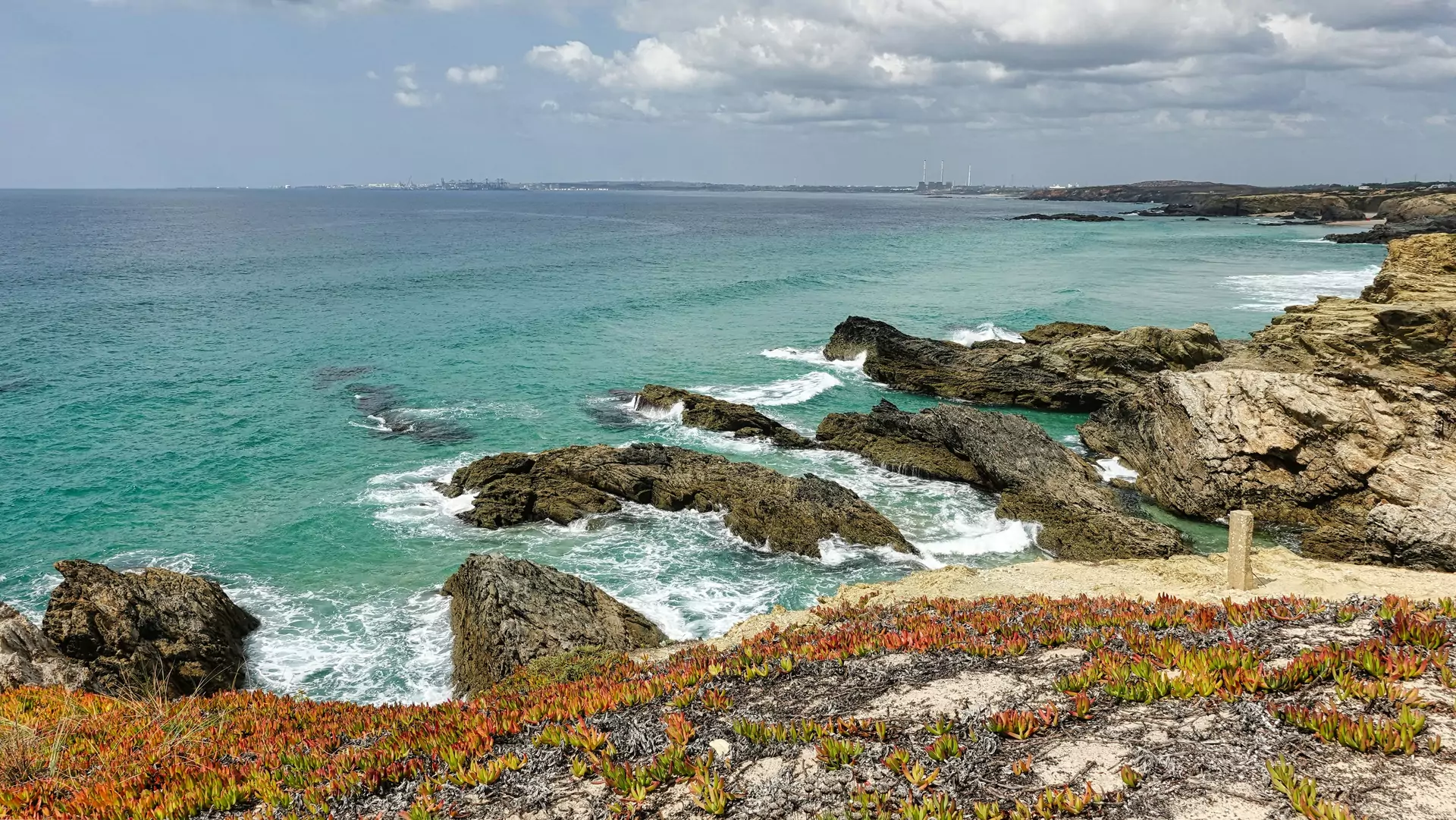
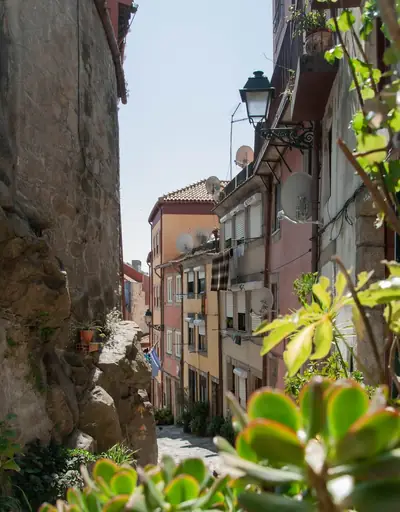
Portugal’s Fisherman’s Trail stretches along rugged coastlines where sea air mixes with salty breezes. The path follows old fishing villages and rocky cliffs that have guided sailors for centuries. Along the way travelers find small harbors dotted with colorful boats and stone piers worn smooth by time. Each turn reveals a new view of turquoise water meeting golden sand or steep hillsides covered in wild herbs.
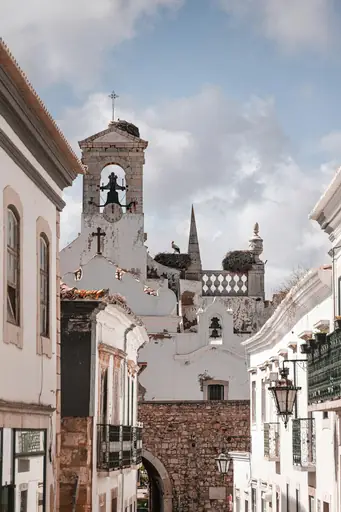
The route passes through historic towns where whitewashed houses stand close to the shore. Local markets sell fresh catch straight from boats that arrived at dawn. Visitors can watch fishermen mend nets or taste grilled sardines cooked over open fires. The pace here feels slower than city life letting people notice details like hand-carved wooden signs and the sound of gulls circling overhead.
Hiking this trail means walking on paths shaped by generations of tides and weather. Some sections climb narrow ridges offering wide views of the Atlantic. Others follow gentle valleys where wildflowers bloom in spring. The terrain stays manageable for most hikers with sturdy shoes and water bottles ready. Along the way small cafes serve coffee and pastries made from local ingredients keeping energy steady during longer stretches.
Cultural moments happen naturally through interactions with residents who share stories about fishing traditions and seasonal festivals. Many travelers leave with a deeper respect for coastal life and simple pleasures found in daily routines like mending nets or watching sunsets from quiet beaches. The Fisherman’s Trail feels less like a destination and more like an experience that connects people to the rhythm of waves and community spirit.
The Fisherman’s Trail in Portugal is accessible primarily by foot, winding through coastal villages and rugged cliffs along the Atlantic shoreline. The trail starts near Cascais, with entry points marked by signage in key towns like Sintra and Ericeira. Public transportation includes trains to Cascais or Lisbon followed by bus connections to trailheads such as Cabo da Roca or Guincho Beach. Cyclists can use dedicated bike paths that parallel parts of the route, though some sections are better suited for walking or hiking. Park-and-ride facilities exist near major access points, with limited vehicle access in historic villages along the way. The trail is open year-round, though winter months may bring rougher seas and cooler temperatures.
Along the Fisherman’s Trail, accommodation ranges from rustic seaside guesthouses to boutique eco‑lodges and luxury cliffside resorts. Small family-run hostels offer budget-friendly rooms with panoramic ocean views, while mid‑range inns provide comfortable beds, local cuisine and easy access to nearby fishing villages. The area is renowned for its traditional “pousadas” – converted historic buildings that blend heritage charm with modern amenities. For those seeking exclusivity, a handful of high‑end villas offer private pools, personalized service and gourmet dining overlooking the Atlantic. Seasonal chalets in coastal towns cater to surfers and hikers alike, ensuring ample options for every budget and preference.
Log in to add this place to a travel list and get a summary of all recommended items for your whole trip.
We calculate the average costs when travelling to destinations and compare those with the living costs at your home. With this you can get an estimate of how expensive or cheap the destination is for you.
To customise this, you can set up which location and price level are used for the calculations in your account settings.
The exchange rate price factor shows how expensive or cheap a currency currently is compared to its historical average. It's a quick way to see if a country is currently more or less affordable due to exchange rate changes.
