









Was this page helpful?

| Opening hours: |
|
||
|---|---|---|---|
| Public website: | zamek.malbork.pl |
| Power Grid: |
230 V, 50 Hz Plug: Type C , Type E
Type C:
  Read about power adapters |
|---|---|
| Currency: |
Polish Złoty (PLN) £1 ≈ PLN 5.25 |
| Cashless info: |
Rating 5/5
Cashless payment is widespread in Poland, with credit cards and mobile payment options accepted in most places.
Save with a travel credit card |
| eSIM providers: |
Best value: Saily Flexibility: Airalo Read our in-depth comparison |
| Tipping: | Tipping is appreciated but not obligatory in Poland. Rounding up or leaving 10% in restaurants is customary. Small tips for taxi drivers and hotel staff are also welcome. |
|---|---|
| Public drinking: | Public drinking is prohibited, though it may be overlooked in certain areas. Consumption is best kept to bars or private settings. |
| Public smoking: | Smoking is banned in public places, including restaurants and public transport stops, with designated areas available. |
| Constitution Day (May) |
Expect patriotic parades and some closures. |
|---|---|
| All Saints’ Day (November) |
Many visit cemeteries, and some businesses may close. |
| Christmas (December) |
Markets and festive events are common, with closures on Christmas Day. |
| Emergency contact: | Emergency Number: 112 (Police, Fire, Ambulance) |
|---|---|
| Taxi apps: | Bolt, Free Now, Uber |
| Other: | Poland is known for its rich history, stunning architecture, and hearty cuisine. Public transport is efficient and affordable, making it easy to explore. |
The best times to travel section shows how the months compare for a visit, so you can find the time of year that fits what you want to do.
Background colours of the months:
The colour shows the typical temperature: yellow (hot), green (mild) and blue (cold). How strong the colour is shows the travel season: full colour means high season, soft colour means shoulder season and soft-striped means off season.
Weather symbols:
Each month has one symbol showing what the weather is typically like, such as hot and sunny, freezing or a rainy or snowy season. Use them to quickly spot months that match the weather you want, or to avoid the ones that don't.
Crowdedness:
The people icon shows how busy the place usually is. The more people, the more crowded it gets.
Additional notes:
The grey info boxes point out special things worth knowing, like recurring weather issues or seasonal events.
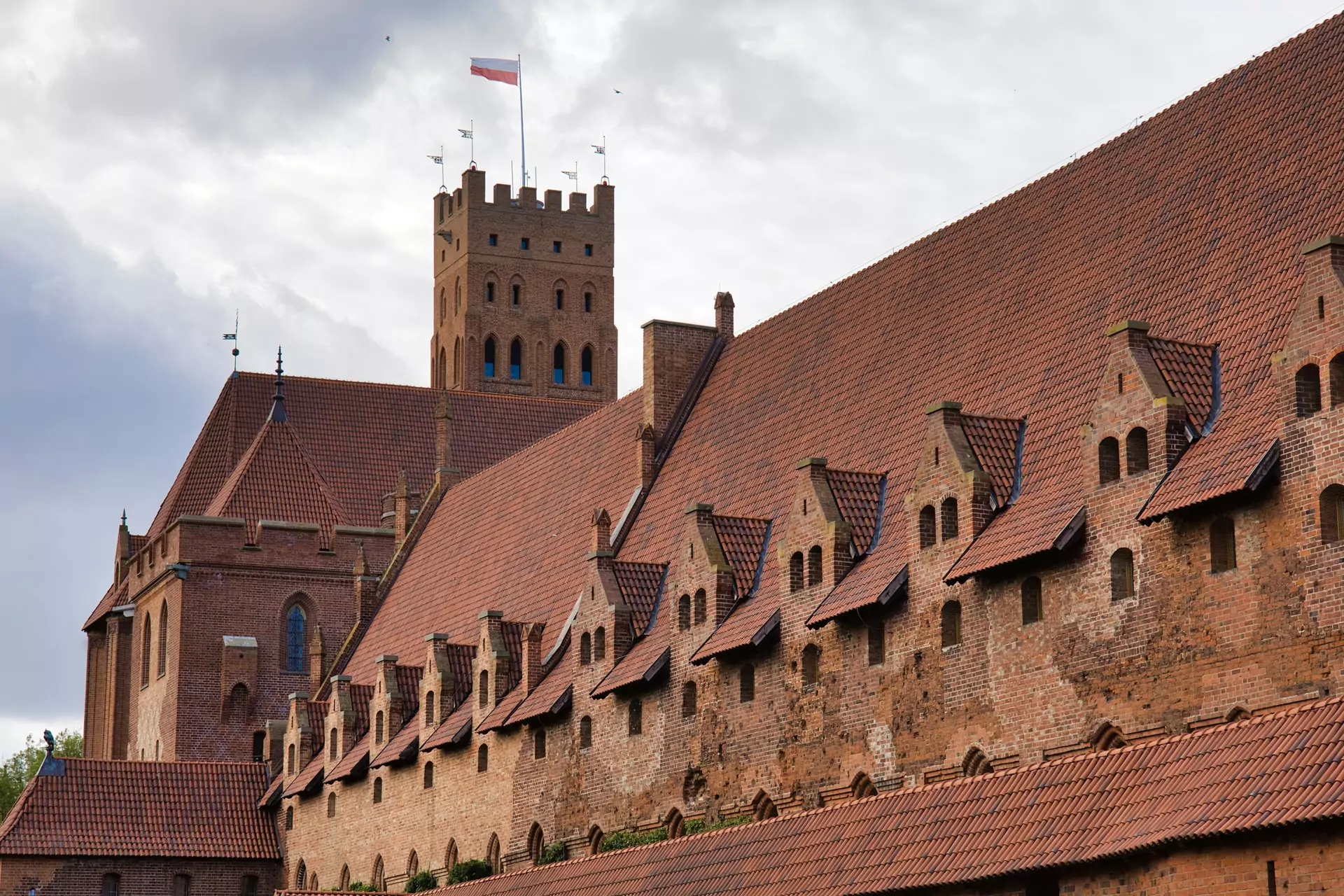
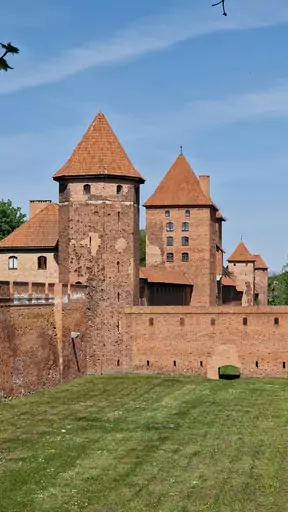
Malbork Castle stands as a massive medieval fortress along the banks of the Nogat River. Built primarily in the 13th century by the Teutonic Knights it showcases impressive brick architecture that has survived wars and centuries of change. Visitors walk through towering walls and wide courtyards where history feels tangible. The castle’s layout includes multiple defensive towers each offering unique views over the surrounding area.
The site is recognized as a UNESCO World Heritage Site due to its cultural significance and well-preserved structures. Inside the main gate lies a great hall once used for feasts and gatherings. The chapel retains original frescoes while the armory displays weapons that reflect the military focus of its past occupants. Guides explain how daily life functioned within these walls from the knights’ routines to the servants’ duties.
Outside the castle walls gardens and reconstructed sections provide context about medieval agriculture and trade. The surrounding town of Malbork grew alongside the fortress shaping local economy and culture over time. Today travelers can explore nearby markets sample regional foods like pierogi or observe craftspeople at work. Seasonal events often take place in open spaces allowing visitors to experience history through reenactments and demonstrations.
Travelers seeking a mix of education and exploration will find Malbork Castle both informative and engaging. The site encourages curiosity about medieval Europe while offering practical details such as ticket options guided tours and accessibility information. Whether visiting for history study or leisure the castle remains a key landmark in Poland’s cultural landscape inviting deeper reflection on its layered past.
Malbork Castle, a UNESCO World Heritage Site, is located in Malbork County, Warmian-Masurian Voivodeship, northern Poland. The castle lies approximately 14 kilometers inland from the Baltic Sea port of Elbląg, accessible via the regional road network. Travelers can reach it by car using Route 1 or Route 5, which connect major cities like Gdańsk and Olsztyn to Malbork. Public transportation options include buses operated by PKS or private carriers, with schedules available from nearby towns such as Elbląg (30-minute drive) or Toruń (90 minutes). The nearest railway station is in Elbląg, offering regional trains to major Polish cities like Warsaw and Kraków. For visitors arriving by air, the closest international airports are Gdańsk Lech Wałęsa Airport (~120 km away) and Olsztyn-Olschewsky Airport (~150 km), with car rentals or taxis recommended for final legs of the journey.
Near Malbork Castle the accommodation scene blends historic charm with modern comfort. The town itself offers a range of boutique guesthouses and family‑run inns that echo medieval architecture, often featuring timber beams and stone walls reminiscent of the castle’s era. For travelers seeking contemporary amenities, several well‑rated hotels provide spacious rooms, on‑site restaurants and wellness facilities such as saunas and fitness centers. A popular choice for history enthusiasts is to stay in a converted manor house or a renovated 19th‑century building that offers panoramic views of the surrounding forested landscape. Budget options include hostels and self‑contained apartments with kitchenettes, while luxury seekers can find boutique hotels offering personalized concierge services and fine dining experiences.
Log in to add this place to a travel list and get a summary of all recommended items for your whole trip.
We calculate the average costs when travelling to destinations and compare those with the living costs at your home. With this you can get an estimate of how expensive or cheap the destination is for you.
To customise this, you can set up which location and price level are used for the calculations in your account settings.
The exchange rate price factor shows how expensive or cheap a currency currently is compared to its historical average. It's a quick way to see if a country is currently more or less affordable due to exchange rate changes.
