






Was this page helpful?

| Power Grid: |
230 V, 50 Hz Plug: Type C , Type F
Type C:
  Read about power adapters |
|---|---|
| Currency: |
Euro (EUR) £1 ≈ €1.19 |
| Cashless info: |
Rating 5/5
Cashless payments are widely accepted in Italy, particularly in cities. While larger establishments and chains are fully cashless, smaller shops may still prefer cash.
Save with a travel credit card |
| eSIM providers: |
Best value: Saily Flexibility: Airalo Read our in-depth comparison |
| Tipping: | Tipping is customary in Italy, especially in restaurants where 10-15% is typical. Tipping for taxi drivers is usually rounded up or 5-10%. Small tips for hotel staff are also appreciated. |
|---|---|
| Public drinking: | Public drinking is allowed in Italy, especially in public squares and during festivals. In some regions, it is illegal to drink alcohol in certain areas like public transport or near schools. |
| Public smoking: | Smoking is banned in indoor public spaces and on public transport. Designated smoking areas are available outside. |
| Ferragosto (August) |
Many businesses close, and Italians take holidays. It’s very busy in tourist areas. |
|---|---|
| Christmas (December) |
Christmas markets and festivities are popular, expect higher prices and crowded attractions. |
| La Befana (January) |
Celebrated on January 6, the Epiphany is a public holiday with festive events, and some businesses close. |
| Emergency contact: | Emergency Number: 112 (Police, Fire, Ambulance) |
|---|---|
| Taxi apps: | Uber, Free Now, ItTaxi |
| Other: | Italy's tourist infrastructure is well-developed, but some rural or historical areas may require extra planning for accessibility. |
The best times to travel section shows how the months compare for a visit, so you can find the time of year that fits what you want to do.
Background colours of the months:
The colour shows the typical temperature: yellow (hot), green (mild) and blue (cold). How strong the colour is shows the travel season: full colour means high season, soft colour means shoulder season and soft-striped means off season.
Weather symbols:
Each month has one symbol showing what the weather is typically like, such as hot and sunny, freezing or a rainy or snowy season. Use them to quickly spot months that match the weather you want, or to avoid the ones that don't.
Crowdedness:
The people icon shows how busy the place usually is. The more people, the more crowded it gets.
Additional notes:
The grey info boxes point out special things worth knowing, like recurring weather issues or seasonal events.
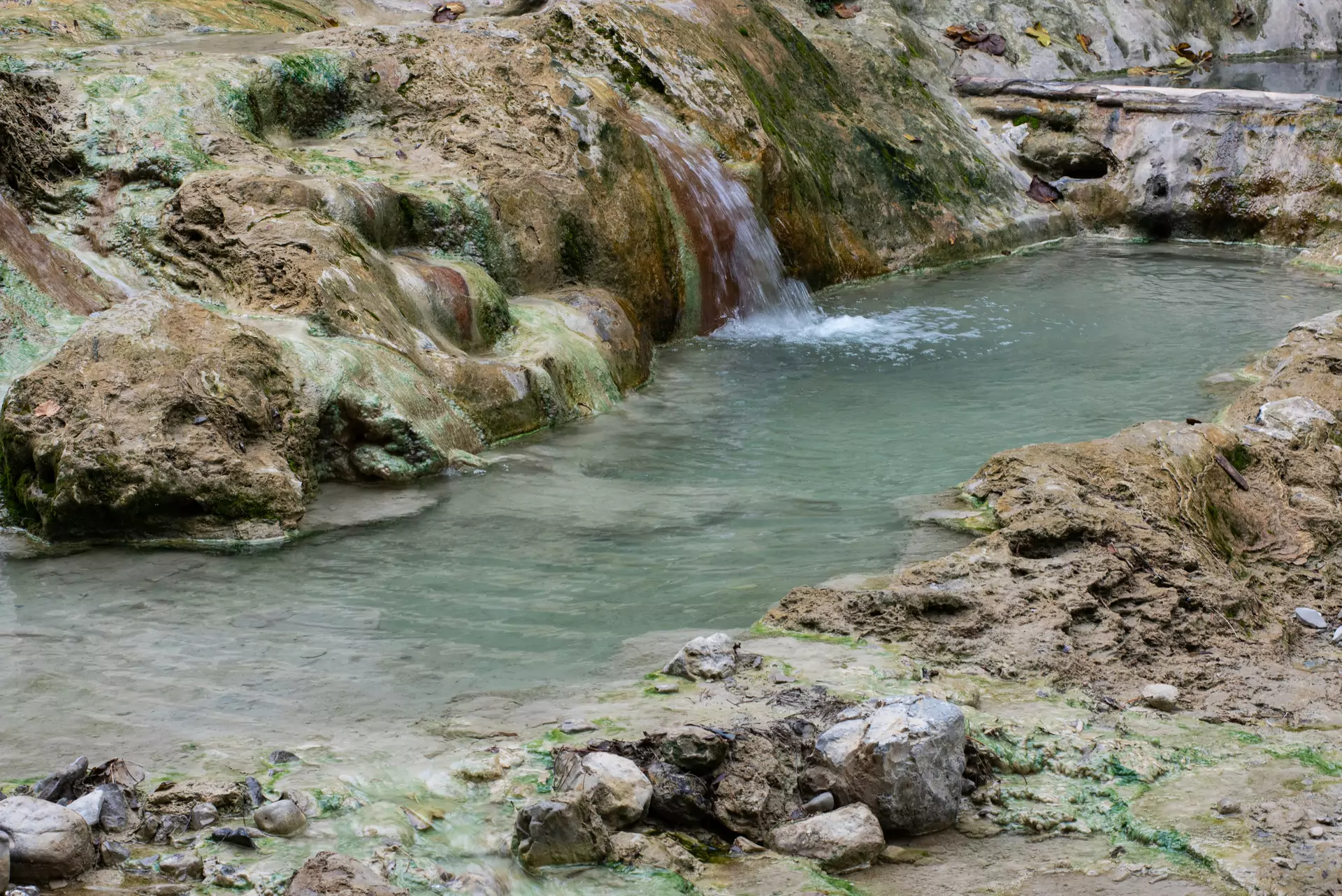
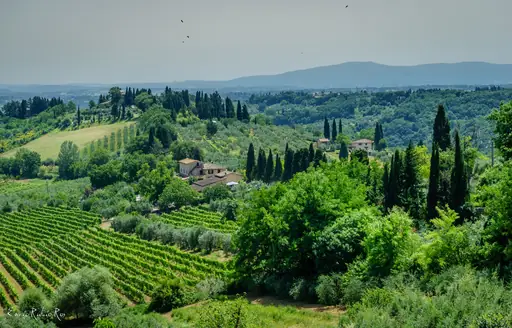
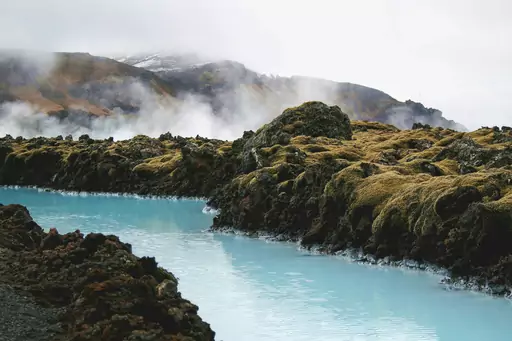
Siena in Tuscany presents Bagni San Filippo a place where natural warmth meets quiet relaxation. The area features thermal springs surrounded by rolling hills covered in olive trees and vineyards. Visitors can soak in mineral-rich waters that have drawn people for centuries. The atmosphere feels calm with gentle sounds of water bubbling through stone channels.
The hot springs sit near historic pathways used by locals who value the therapeutic qualities of the water. Many travelers note how the temperature stays steady year round making it a reliable spot to unwind. Nearby towns like Siena provide easy access while keeping the region’s cultural charm intact. The landscape shows signs of volcanic activity with rocky outcrops and steam rising gently from pools.
Local guides explain that the springs formed long ago through underground water movement heated by earth layers beneath the surface. People have used these waters for health reasons since Roman times. Today small cafes serve simple snacks so visitors can enjoy a slow pace without leaving the area’s natural setting. The region encourages walking and cycling to explore its quiet corners.
Accommodations range from family-run guesthouses to larger retreats that focus on wellness. Most options emphasize sustainability using local materials and energy sources. Public transport connects Bagni San Filippo to nearby cities making day trips possible without a car. Whether seeking rest or inspiration the site remains grounded in its history while adapting to modern needs.
Bagni San Filippo, a thermal spa town in Tuscany’s Siena province, is accessible via regional train or car. The nearest major rail hub is Florence Santa Maria Novella station, with frequent regional trains to Montepulciano (approx. 1 hour), followed by a short bus or taxi ride to the town center. For drivers, Highway A1 (Florence–Rome) connects to SR2 and SR3 roads, exiting at Pienza or Montalcino, then following signs to Bagni San Filippo (~15 km). Public buses operate seasonally from Montepulciano or Pienza during peak months. Parking is available near the thermal springs, with local taxis offering short trips to nearby attractions like the thermal pools and historic center.
Bagni San Filippo offers a range of lodging that caters to both budget travelers and those seeking luxury. The village hosts several family‑run agriturismos where guests can stay in rustic stone cottages or modern farmhouses, often featuring private hot‑spring pools and panoramic views of the Val d’Orcia. Boutique bed‑and‑breakfasts provide intimate settings with locally sourced cuisine, while larger resorts offer spa facilities that incorporate the thermal waters into wellness treatments. For a more secluded experience, there are small inns tucked into the hillsides, offering traditional Tuscan décor and easy access to the natural springs. The area is renowned for its emphasis on combining rustic charm with therapeutic hot‑spring amenities.



Log in to add this place to a travel list and get a summary of all recommended items for your whole trip.
We calculate the average costs when travelling to destinations and compare those with the living costs at your home. With this you can get an estimate of how expensive or cheap the destination is for you.
To customise this, you can set up which location and price level are used for the calculations in your account settings.
The exchange rate price factor shows how expensive or cheap a currency currently is compared to its historical average. It's a quick way to see if a country is currently more or less affordable due to exchange rate changes.
