

Asia › Turkey › Bosphorus Strait

Bosphorus Strait

Scroll
Where Europe Meets Asia

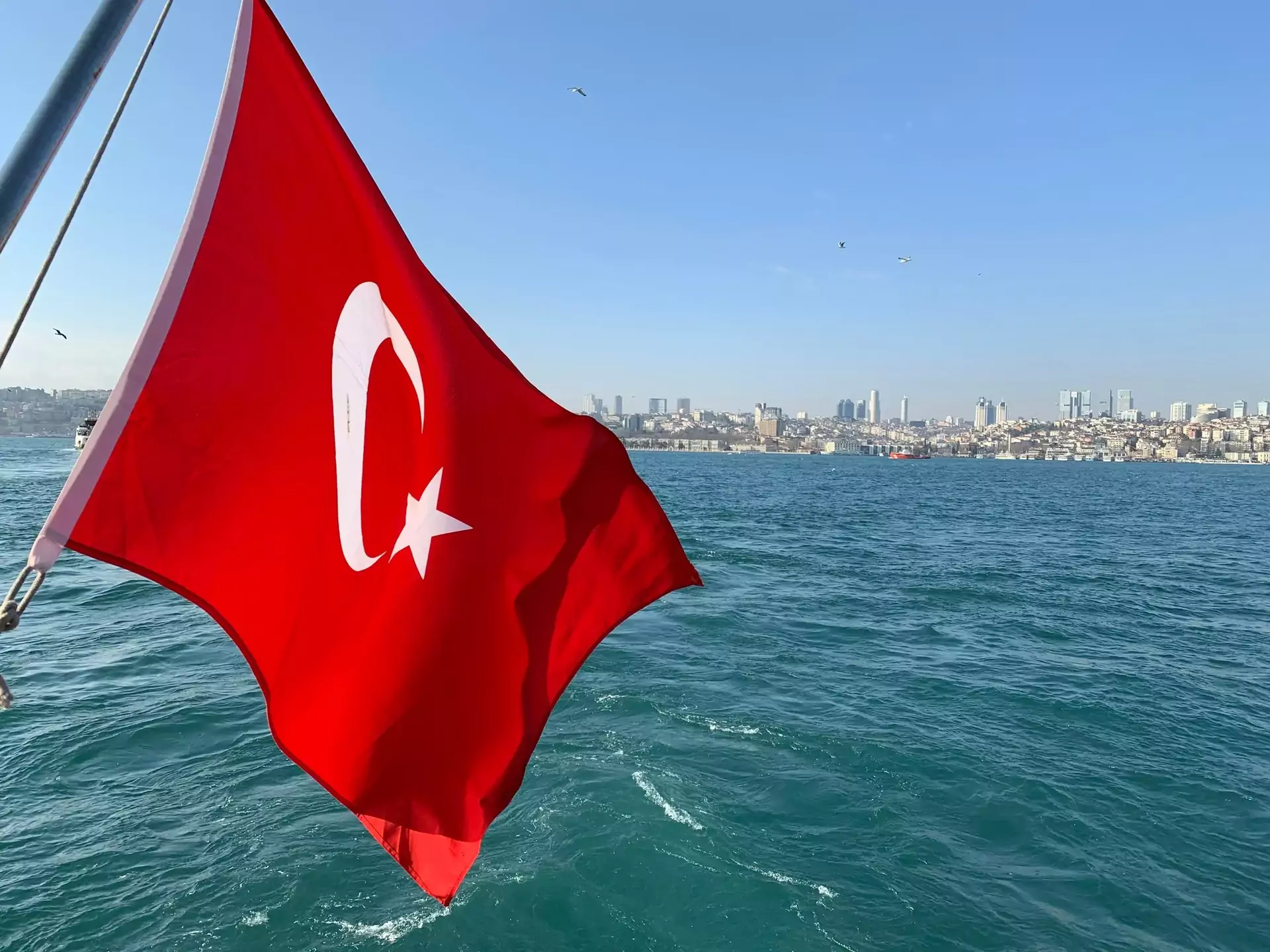
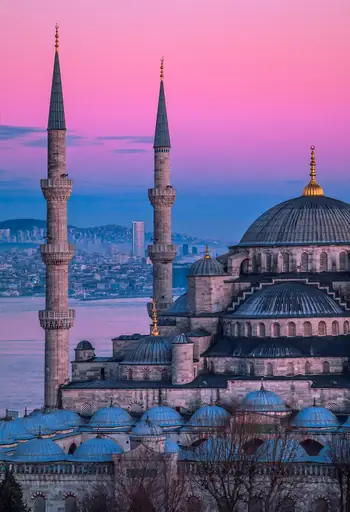
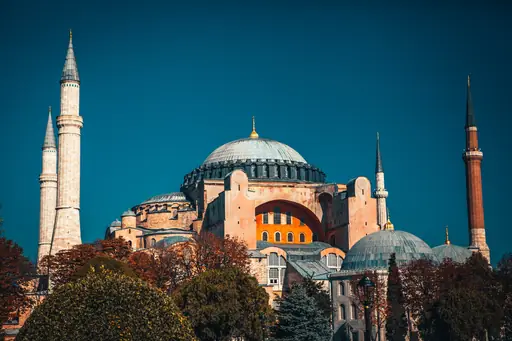
The Bosphorus Strait runs through Istanbul, Turkey, connecting the Black Sea to the Sea of Marmara. It has guided ships and travelers between Europe and Asia for centuries. The waterway separates two continents while winding through a bustling city filled with historic mosques, markets and homes built on hillsides. Ferries cross daily, carrying commuters and tourists alike. Along its banks, parks provide quiet spots to watch the skyline shift from day to night. The Bosphorus remains vital for trade and travel in the region.

Strait in Turkey
Climate zone: Mediterranean

Mediterranean: Mid-latitude climates with hot, dry summers and mild, wet winters, typical of coastal regions around the Mediterranean Basin.

See climate table
Ticket price: $$$
$Cheap
$$Medium
$$$Expensive, upscale
$$$+Very expensive, luxury
Safety: 6.2
General Safety:6
Accessibility:7
Read details
Tourist English: 4/5
English is commonly spoken in tourist areas along the Bosphorus, including tour operators and hotel staff, ensuring a comfortable experience for international visitors.
Last update: 12 Oct 2026
* We earn a commission from some links on this page.
Bosphorus Strait Summary
Great for scenic cruises and waterfront views. Take boat tours between Europe and Asia, photograph historic palaces and enjoy lively harbor districts.
Turkey – Quick facts
Power Grid: 230 V, 50 Hz
Plug: Type C , Type F
Type C:
Diagram of a Type C power plug
Type F:
Diagram of a Type F power plug

Read about power adapters
Currency: Turkish Lira (TRY)
£1 ≈ TRY 66.29
Cashless info: Rating 4/5
Cashless payment is common in urban areas, but smaller vendors in rural regions may only accept cash.

Save with a travel credit card
eSIM providers: Best value: Saily
Flexibility: Airalo
Read our in-depth comparison
Tipping: Tipping is customary but not mandatory in Turkey. In restaurants, leaving 5-10% is typical. Tips for taxi drivers, hotel staff, and guides are also appreciated.
Public drinking: Public drinking is not widely accepted, though it is allowed in some urban areas and tourist zones.
Public smoking: Smoking is banned in indoor public areas and transport, with designated outdoor smoking zones available.
Republic Day
(October)
Expect parades and national celebrations.
Eid al-Fitr
(Varies)
Closures and family gatherings are common.
Eid al-Adha
(Varies)
Similar closures and festive activities across the country.
Emergency contact: Emergency Number: 112 (Police, Fire, Ambulance)
Taxi apps: BiTaksi, Uber
Other: Turkey offers a rich blend of history, culture, and natural beauty. Bargaining is common in markets, and modest dress is appreciated in religious sites.
Best times to travel

The best times to travel section shows how the months compare for a visit, so you can find the time of year that fits what you want to do.

Background colours of the months:
The colour shows the typical temperature: yellow (hot), green (mild) and blue (cold). How strong the colour is shows the travel season: full colour means high season, soft colour means shoulder season and soft-striped means off season.

Weather symbols:
Each month has one symbol showing what the weather is typically like, such as hot and sunny, freezing or a rainy or snowy season. Use them to quickly spot months that match the weather you want, or to avoid the ones that don't.

Crowdedness:
The people icon shows how busy the place usually is. The more people, the more crowded it gets.

Additional notes:
The grey info boxes point out special things worth knowing, like recurring weather issues or seasonal events.

for Bosphorus Strait, Turkey
❄️
Jan
❄️
Feb
❄️
Mar
☀️
Apr
🌤️
May
🌤️
Jun
🌤️
Jul
🌦️
Aug
☀️
Sep
☀️
Oct
❄️
Nov
❄️
Dec
High season: April - June, Sep. - Oct.
Shoulder season: March, July - Aug., Nov.
Tap on a month for more info Hover over a month for more info
Tulip festival in April, with millions of tulips blooming in Istanbul's parks
Strong winter storms and fog can cancel Bosphorus ferries and cruises

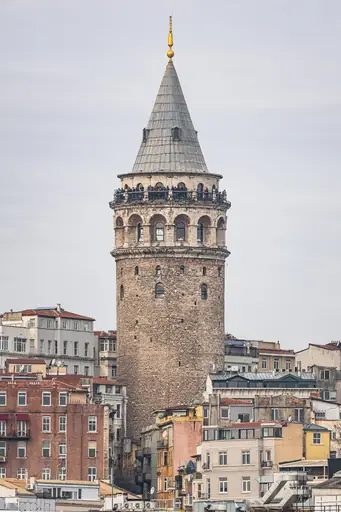
The Bosphorus Strait stretches about 32 kilometers, forming a unique geographic and cultural boundary between Europe and Asia. Its shores are dotted with historic forts, luxurious Ottoman palaces and vibrant fishing villages that narrate the layered history of Istanbul and its strategic role over millennia.

As an active shipping lane, the Bosphorus sees a mix of cargo ships, ferries and traditional boats navigating its narrow and winding course. The strait’s scenic vistas offer breathtaking views day and night, with sunsets over the iconic skyline that includes silhouettes of mosques and modern skyscrapers.

Visitors can enjoy cruising along the Bosphorus to witness the interplay of natural beauty and urban life, passing iconic landmarks such as the Rumeli Fortress and Beylerbeyi Palace. Many waterfront cafes and parks enable relaxation while soaking in the maritime ambiance.

Caution is advised during boat trips, especially in colder months when the weather can be chilly and winds gusty. Ferry schedules may be affected by weather, so checking in advance is recommended. The strait’s popularity means some spots can get crowded during peak tourist seasons.

Knowledge before you go

  • Book Bosphorus cruise early. Sunset tours offer stunning city views.
  • Public ferries from Eminönü provide affordable scenic rides to Ortaköy or Üsküdar.
  • Spot landmarks like Dolmabahçe Palace, Rumeli Fortress and Ortaköy Mosque from the water.
  • Combine cruise with Asian side stop at Çamlıca Hill for panoramic Istanbul skyline photos.

How to travel to Bosphorus Strait

The Bosphorus is easily accessible from Istanbul, with multiple ferries and cruise options departing from piers like Eminönü and Kabataş. International travelers typically fly into Istanbul Airport or Sabiha Gökçen Airport, then use metro, taxi or bus to reach the Bosphorus waterfront piers. Many boat tours offer half-day or full-day excursions to explore the strait and its landmarks.

Access summary

  • From Istanbul Airport (IST): Shuttle or metro then tram to docks, 60–80 minutes.
  • From central Istanbul/Taksim: Metro or funicular plus tram to Bosphorus piers, 20–35 minutes.
  • From Sabiha Gökçen Airport (SAW): Shuttle or bus to Kadıköy piers, roughly 60–90 minutes.

Where to stay near Bosphorus Strait

Istanbul offers a wide variety of accommodations along the Bosphorus shores, including luxury waterfront hotels, historic boutique inns and modern apartments. Staying in neighborhoods like Beşiktaş, Ortaköy or Üsküdar provides picturesque views and proximity to many attractions.

Hotel recommendations

*by rating and popularity. Commissions have no influence on the rankings.
We couldn't find any nearby hotels for now.

Packing recommendations for Bosphorus Strait

Log in to add this place to a travel list and get a summary of all recommended items for your whole trip.

Budget snapshot
Costs compared to home

We calculate the average costs when travelling to destinations and compare those with the living costs at your home. With this you can get an estimate of how expensive or cheap the destination is for you.

To customise this, you can set up which location and price level are used for the calculations in your account settings.

-61 %
Daily expenses in the region are around 61% lower than the average across United States. That means you'll spend a lot less on meals and getting around.
Exchange rate trend

The exchange rate price factor shows how expensive or cheap a currency currently is compared to its historical average. It's a quick way to see if a country is currently more or less affordable due to exchange rate changes.

-62 %
Your exchange rate (GBP to TRY) is 62% better than in recent years. That means travelling now is a lot cheaper compared to the past.

Safety information overview

General safety
6
The Bosphorus Strait in Turkey remains generally safe for travelers, with low crime rates and robust police presence. Visitors should stay vigilant in crowded areas, avoid isolated waterfront spots after dark and keep valuables secure to ensure a worry‑free experience.
Accessi­bility
7
The Bosphorus Strait offers mixed accessibility: modern bridges and ferries provide easy transit, yet narrow lanes and heavy traffic can be challenging for mobility‑impairment travelers. Signage is improving, but wheelchair users should plan routes in advance and avoid peak hours.

Looking for inspiration?

Discover
Top architecture destinations and iconic landmarks
Architecture travel spans everything from ancient ceremonial complexes and medieval urban cores to the grands projets of the twentieth century and contemporary buildings that draw…
Read more
Discover
Top historical destinations and historic sites
The most compelling history destinations are places where the past is still physically present and legible in the landscape, the architecture and the daily life of the people who…
Read more
Discover
Best historical destinations in Asia
Asia's historical depth is staggering, encompassing some of the oldest continuous civilisations on earth and a range of empires, belief systems and cultural traditions that have…
Read more
Discover
Best architecture destinations in Asia
Asia contains some of the world's most significant architectural traditions, with temple complexes, imperial palace compounds and historic urban quarters representing distinct…
Read more
Discover
Most beautiful beaches and coastal escapes
For a lot of people, a beach is the whole point of a holiday, but what makes a beach day perfect really depends on personal taste. Some travellers want isolation and the feeling…
Read more
Discover
Stunning national parks and wilderness areas
National parks exist because someone decided that certain landscapes were too important to lose. The best of them protect ecosystems, wildlife and natural processes that would…
Read more
Discover
Intimate escapes and romantic getaways
The most memorable trips for couples tend to have less to do with luxury and more to do with the quality of shared experience. A place that slows you down, removes the usual…
Read more
Was this page helpful?
Feedback

