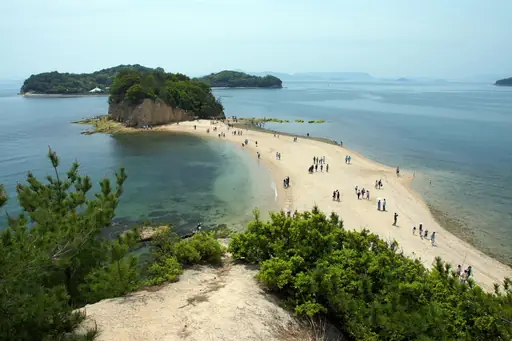
Asia › Japan › Kurashiki › Climate

Kurashiki climate data

Kurashiki, located in Okayama Prefecture, features a humid subtropical climate with four distinct seasons. Summers are hot and humid, while winters are cool and mostly dry. The city enjoys abundant sunshine, moderate rainfall, and very little snow, making it a comfortable destination for travel throughout much of the year.

Best times to travel

The best times to travel section shows how the months compare for a visit, so you can find the time of year that fits what you want to do.

Background colours of the months:
The colour shows the typical temperature: yellow (hot), green (mild) and blue (cold). How strong the colour is shows the travel season: full colour means high season, soft colour means shoulder season and soft-striped means off season.

Weather symbols:
Each month has one symbol showing what the weather is typically like, such as hot and sunny, freezing or a rainy or snowy season. Use them to quickly spot months that match the weather you want, or to avoid the ones that don't.

Crowdedness:
The people icon shows how busy the place usually is. The more people, the more crowded it gets.

Additional notes:
The grey info boxes point out special things worth knowing, like recurring weather issues or seasonal events.

for Kurashiki, Japan
🌤️
Jan
🌤️
Feb
🌤️
Mar
🌤️
Apr
☀️
May
🌤️
Jun
🔥
Jul
🔥
Aug
🌤️
Sep
☀️
Oct
☀️
Nov
🌤️
Dec
High season: April - May, Oct. - Nov.
Shoulder season: March, Sep., Dec.
Crowdedness: 7 (Many tourists)
Tap on a month for more info Hover over a month for more info
Many museums in the Bikan Historical Quarter, including the Ohara Museum of Art, are closed on Mondays
Typhoon season August to October can disrupt trains and ferries

The climate of Kurashiki

Kurashiki experiences a humid subtropical climate (Köppen Cfa), with an average annual temperature of about 15.8°C. Summers, from June to September, are hot and humid, with August being the warmest month (average highs around 32°C). The rainy season peaks in June and July, bringing the highest monthly precipitation, while typhoons may occasionally affect the area in late summer. Despite the humidity, Kurashiki benefits from many sunny days, especially in late summer and autumn.

Winters (December to February) are cool and relatively dry, with average highs around 9–11°C and lows near 3°C. Snowfall is rare and usually light, making the city accessible year-round. Spring (March to May) and autumn (September to November) are especially pleasant, with mild temperatures (14–25°C), lower humidity, and abundant sunshine. Kurashiki receives around 1,042 mm of rainfall annually, with September and July being the wettest months. Sunshine hours are generous, averaging over 2,000 hours per year, and winds are generally light, except for occasional breezy winter days.

The city’s climate supports lush greenery in spring and summer, stunning autumn foliage, and comfortable conditions for sightseeing and outdoor activities. Kurashiki’s weather is generally stable, offering a favourable environment for visitors almost year-round.

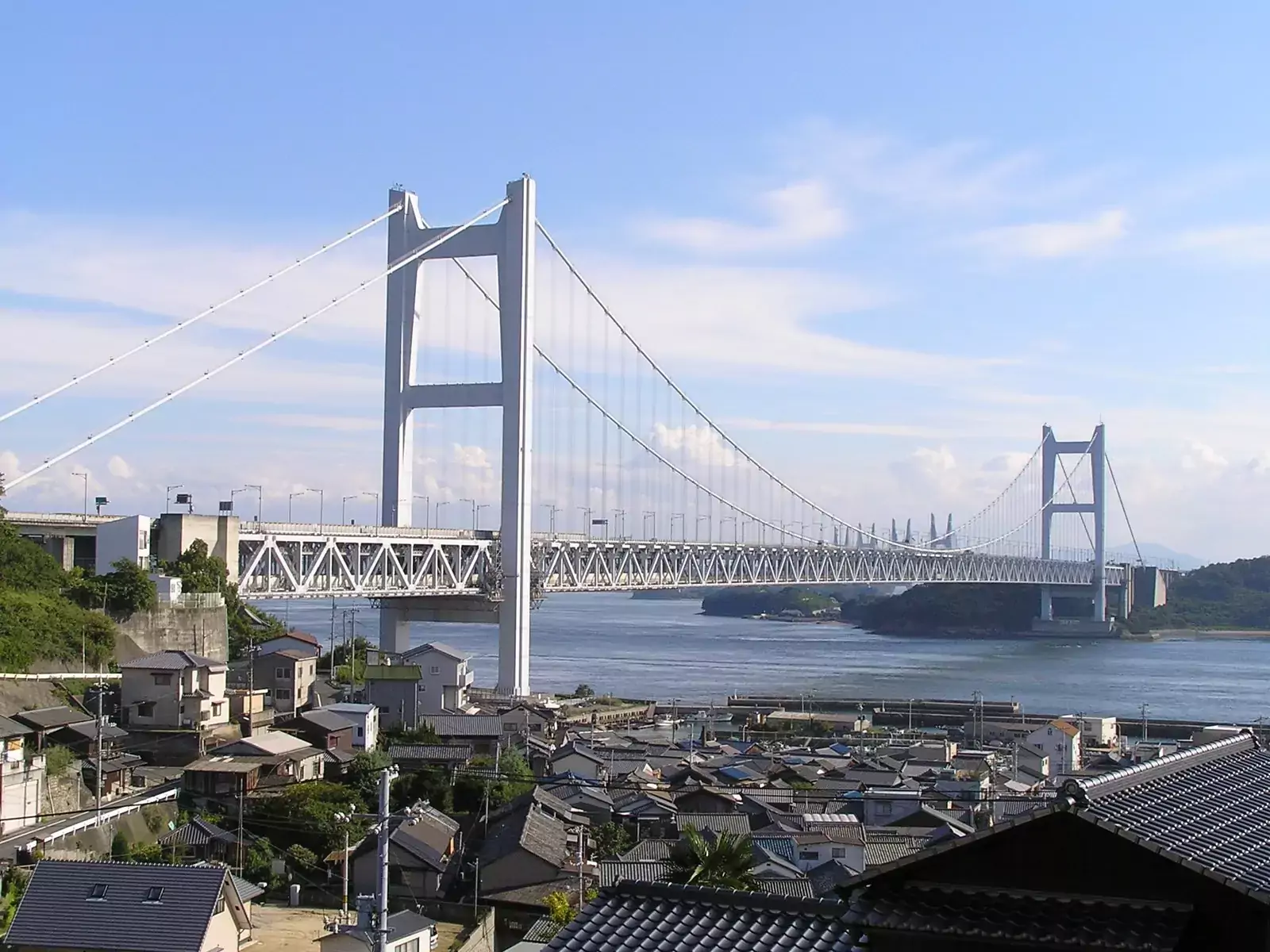
Average climate data for Kurashiki, Japan
Month Jan Feb Mar Apr May Jun Jul Aug Sep Oct Nov Dec Year
Average maximum temperature (°C) 8 9 13 18 23 25 29 31 27 22 16 10 31
Average minimum temperature (°C) 3 4 6 10 15 19 23 25 21 16 11 6 3
Average precipitation (mm) 15 17 30 38 29 56 75 56 53 38 13 22 441
Average rainfall days (days) 8 9 9 10 9 14 18 14 12 9 8 10 133
Average snowfall (mm) 4 9 0 0 0 0 0 0 0 0 0 1 14
Average snowfall days (days) 2 2 0 0 0 0 0 0 0 0 0 1 6
Average relative humidity (%) 69 70 69 68 67 77 80 74 74 71 71 71 72
Average wind speed (km/h) 15 12 12 11 9 9 9 9 9 11 11 15 11
Average water temperature (°C) 15 13 13 15 18 22 25 27 26 23 20 17 20
Average daily daylight hours (h) 10 10 12 13 14 14 14 13 12 11 10 9 12
Average daily sunshine hours (h) 5 5 7 9 10 9 9 11 9 6 6 5 8
Average cloud coverage (%) 40 44 38 36 32 37 37 28 35 34 33 41 36
Average UV index 2 3 3 4 5 6 7 7 6 4 4 2 4

Travel info

  • Spring (March–May): Mild and sunny, with highs from 14°C to 24°C. Cherry blossoms bloom late March to early April. Light layers and a jacket are recommended.
  • Summer (June–August): Hot and humid, with highs up to 32°C. June and July are wettest – bring an umbrella and breathable clothing. Occasional typhoons possible in late summer.
  • Autumn (September–November): Pleasantly cool, with highs from 29°C in September to 16°C in November. Lower humidity and beautiful autumn foliage. Ideal for outdoor activities; pack layers for cooler evenings.
  • Winter (December–February): Cool and mostly dry, with highs of 9–11°C and lows of 3°C. Snow is rare. Bring a warm jacket for chilly mornings and evenings.
  • Sunshine is abundant year-round, especially from April to October. Expect 5–7 hours of daily sunshine in these months.
  • Rainy season peaks in June and July; plan indoor activities or bring rain gear if visiting then.
  • Typhoon season runs from August to September – monitor forecasts if travelling during this period.
  • Winds are generally light, but can be brisk in winter.

The best time to visit Kurashiki

The best times to visit Kurashiki are during spring (April to May) and autumn (October to November). These months offer mild temperatures, low humidity, and abundant sunshine, making them ideal for sightseeing, enjoying cherry blossoms or autumn foliage, and outdoor activities. Rainfall is moderate and weather conditions are generally stable.

The worst time to visit Kurashiki

The least favourable time to visit Kurashiki is during the rainy season in June and July, when humidity and rainfall are at their highest. Summer (July–August) can also be uncomfortably hot and humid, with occasional typhoons disrupting travel plans. Winter, while mild, is less attractive for those seeking warm-weather activities.

Frequently asked questions

What is the average temperature in Kurashiki throughout the year?

Kurashiki’s average annual temperature is about 15.8°C. The coldest month is January (average high 9°C, low 3°C), while August is the hottest (average high 32°C, low 24°C).

Does Kurashiki get a lot of rain?

Kurashiki receives around 1,042 mm of rain annually. The wettest months are June, July, and September, with heavy rainfall during the rainy season. Winter months are much drier.

Is it common to see snow in Kurashiki?

Snow is rare in Kurashiki. Winters are generally cool and dry with little to no snowfall, making the city accessible year-round without concerns about snow disruption.

When is the cherry blossom season in Kurashiki?

Cherry blossoms typically bloom from late March to early April in Kurashiki. This is a popular time for visitors, with many parks and scenic spots hosting hanami (blossom viewing) events.

Is Kurashiki affected by typhoons?

Typhoons can occasionally impact Kurashiki, especially from August to September. While direct hits are rare, travellers should monitor weather forecasts during this period.

What should I pack for a trip to Kurashiki?

Pack light layers for spring and autumn, breathable clothing and rain gear for summer, and a warm jacket for winter. An umbrella is essential if visiting during the rainy season.

How much sunshine does Kurashiki get?

Kurashiki enjoys over 2,000 hours of sunshine annually, with the sunniest months from April to October. Even in winter, there are many clear days, making outdoor activities enjoyable.

Minimum and maximum temperatures in Kurashiki

The warmest month, with the highest average maximum temperature, is August (30.6 °C). The month with the lowest average maximum temperature is January (8.2 °C). Overall, the average maximum temperature over the whole year is 19.2 °C.

The month with the highest average minimum temperature is August (25 °C). The coldest month, with the lowest average minimum temperature, is January (3 °C). Overall, the average minimum temperature over the whole year is 13.1 °C.

Water temperature in Kurashiki

The month with the highest average water temperature is August (27.1 °C). The month with the lowest average water temperature is February (13.2 °C). Overall, the average water temperature over the whole year is 19.5 °C.

Rainfall amount in Kurashiki

The wettest month, with the highest amount of precipitation, is July (75.3 mm). The driest month, with the least amount of precipitation, is November (13.1 mm). Over the whole year there are 441.4 mm of rainfall on average.

Rainfall days in Kurashiki

The month with the most days of rain is July (18.4 days). The month with the fewest days of rain is January (8.1 days). Over the whole year there are 132.7 days of rain on average.

Snowfall amount in Kurashiki

The month with the most snowfall is February (9 mm). The months with the least snowfall are March, April, May, June, July, August, September, October and November (0 mm). Over the whole year there are 14.1 mm of snowfall on average.

Snowfall days in Kurashiki

The month with the most days of snowfall is January (2.3 days). The months with the fewest days of snowfall are June, July, August, September, October and November (0 days). Over the whole year there are 5.9 days of snowfall on average.

Relative humidity in Kurashiki

The month with the highest average relative humidity is July (79.7 %). The month with the lowest average relative humidity is May (67.3 %). The overall average relative humidity over the whole year is 71.7 %.

Wind speed in Kurashiki

The windiest month, with the highest average wind speed, is January (14.5 km/h). The calmest month, with the lowest average wind speed, is June (8.6 km/h). The overall average wind speed over the whole year is 10.9 km/h.

Cloud coverage in Kurashiki

The month with the cloudiest skies, so the highest cloud coverage, is February (43.5 %). The month with the clearest skies, so the lowest cloud coverage, is August (27.9 %). Over the whole year there is an average cloud coverage of 36.3 %.

Daylight hours and sunshine hours in Kurashiki

The month with the longest days, so the most daylight, is June (Average daylight: 14 h). The month with the shortest days, so the least daylight, is December (Average daylight: 9.1 h). Over the whole year there are 11.9 h of daylight per day on average.

The month with the most sunshine per day is August (Average sunshine: 11.1 h). The month with the least sunshine per day is December (Average sunshine: 4.9 h). Over the whole year there are 7.6 h of sunlight per day on average.

UV index in Kurashiki

The months with the highest average UV index are July and August (UV index: 7). The months with the lowest average UV index are January and December (UV index: 2). Over the whole year the average UV index is 4.4.

Was this page helpful?
Feedback