





Was this page helpful?

| Power Grid: |
230 V, 50 Hz Plug: Type C , Type F
Type C:
  Read about power adapters |
|---|---|
| Currency: |
Indonesian Rupiah (IDR) £1 ≈ IDR 24,141.20 |
| Cashless info: |
Rating 4/5
Cashless payments are becoming more common in urban areas of Indonesia, particularly in larger cities. Credit cards and mobile payment apps like GoPay and OVO are widely accepted in many establishments.
Save with a travel credit card |
| eSIM providers: |
Best value: Saily Flexibility: Airalo Read our in-depth comparison |
| Tipping: | Tipping is appreciated but not mandatory in Indonesia. A 5-10% tip is common in restaurants, and taxi drivers may expect small tips for good service. |
|---|---|
| Public drinking: | Public drinking is not commonly seen in Indonesia. Alcohol is consumed mainly in licensed establishments such as bars, restaurants, and hotels. |
| Public smoking: | Smoking is prohibited in many indoor public spaces, including restaurants, shopping centres, and public transport. |
| Independence Day (17 August) |
A national holiday with celebrations and ceremonies |
|---|---|
| Nyepi (March/April) |
The Balinese Day of Silence, celebrated with unique rituals and festivities |
| Emergency contact: | Emergency Number: 112 |
|---|---|
| Taxi apps: | GoJek, Grab |
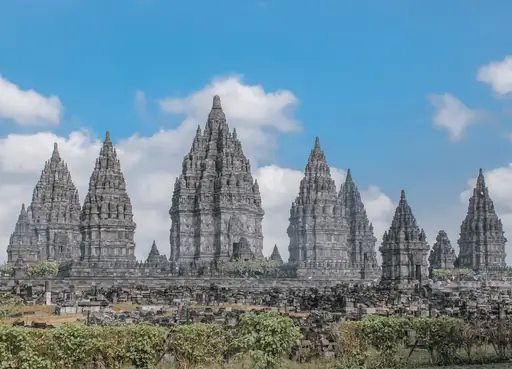
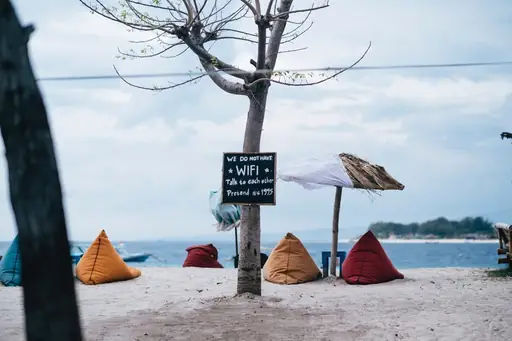
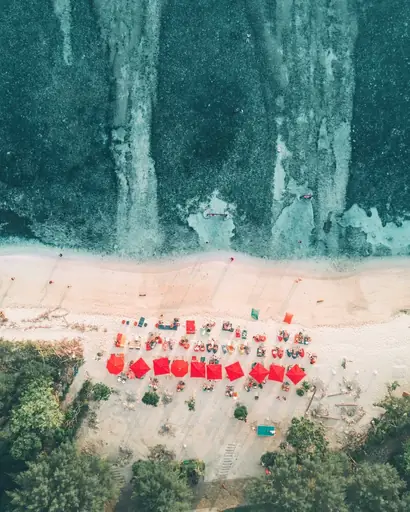
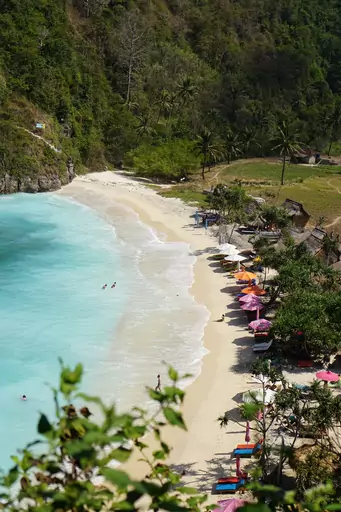
| Other: | Indonesia is known for its stunning natural landscapes, including beaches, volcanoes, and jungles. It is a great destination for nature lovers and adventure seekers. |
The best times to travel section shows how the months compare for a visit, so you can find the time of year that fits what you want to do.
Background colours of the months:
The colour shows the typical temperature: yellow (hot), green (mild) and blue (cold). How strong the colour is shows the travel season: full colour means high season, soft colour means shoulder season and soft-striped means off season.
Weather symbols:
Each month has one symbol showing what the weather is typically like, such as hot and sunny, freezing or a rainy or snowy season. Use them to quickly spot months that match the weather you want, or to avoid the ones that don't.
Crowdedness:
The people icon shows how busy the place usually is. The more people, the more crowded it gets.
Additional notes:
The grey info boxes point out special things worth knowing, like recurring weather issues or seasonal events.
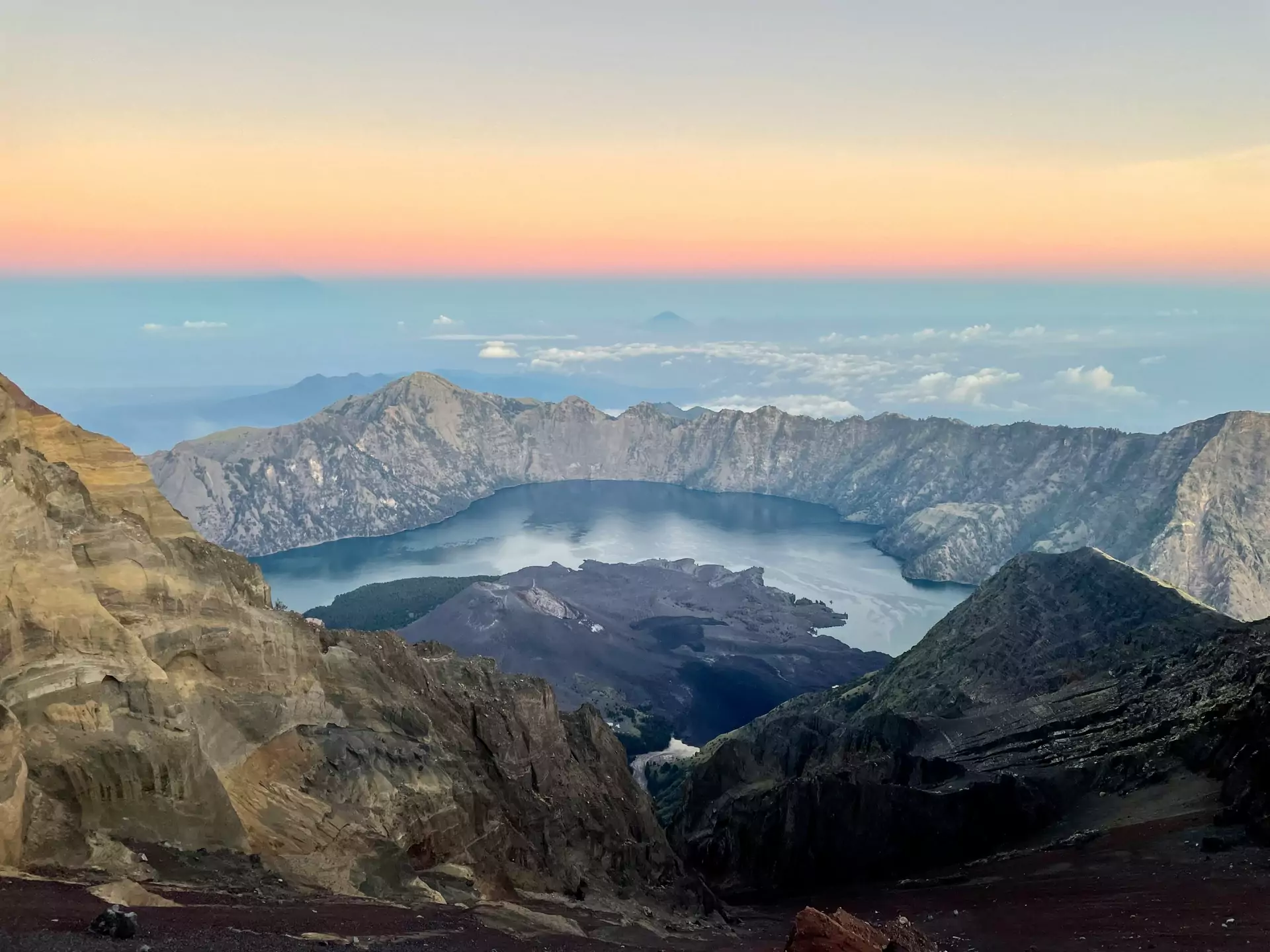
Mount Rinjani stands as Indonesia’s second highest peak. Located on Lombok island this volcano rises to 3 726 meters above sea level. The mountain is part of a national park that protects diverse ecosystems from dense forests to alpine meadows. Hikers encounter waterfalls and hot springs along trails that lead upward through changing climate zones.
The climb begins at the coastal village of Senaru or Sembalun. Most trekkers spend two days ascending to the summit. The path crosses rice terraces and villages where locals grow vegetables and raise livestock. At night campsites provide basic shelters and meals prepared by guides familiar with the terrain.
Summit views reward those who reach the top before dawn. From the crater rim panoramic vistas stretch across neighboring islands on clear days. The experience of watching sunrise over volcanic ridges is described as calm and striking without dramatic exaggeration. Many visitors note how quiet the area feels despite its imposing height.
Safety remains a priority for travelers. Guides check weather forecasts before each climb and carry first aid supplies. The volcano is active so monitoring alerts from local authorities helps avoid risky conditions. Respecting park rules protects both visitors and the environment while supporting sustainable tourism practices.
Mount Rinjani, located on Lombok Island in Indonesia, is accessible primarily by air or sea travel to Bali, which serves as a common gateway. The nearest international airport is Ngurah Rai International Airport in Denpasar, Bali, approximately 150 kilometers away. From Bali, travelers can take a domestic flight to Lombok’s Lombok International Airport (LOP), located about 1 hour from the mountain. Alternatively, boats and ferries connect Bali to Lombok’s port cities such as Padang Bai or Sembalun. Road access within Lombok is possible via local transport, though travel times can be lengthy due to mountainous terrain. Guided tours often arrange transfers directly from airports or ports for convenience.
Near Mount Rinjani the lodging scene blends rustic charm with modern convenience. Most trekkers start in Senggigi, where a mix of budget hostels and mid‑range boutique guesthouses offer clean rooms, communal kitchens and easy access to the trailhead. Prices range from IDR 200,000 – 400,000 (£8.31 – 16.63) per night for basic dormitory beds, while private bungalows with sea views can reach IDR 1,000,000 (£41.57) or more. In Kuta Lombok, a few eco‑lodges provide sustainable stays with organic meals and guided hikes, typically costing IDR 500,000 – 800,000 (£20.78 – 33.25). For those seeking luxury, the high‑end resorts in North Lombok offer spa services, infinity pools overlooking the ocean and rates above IDR 2,000,000 (£83.14) per night. All accommodations emphasize fresh local produce, simple décor and a relaxed atmosphere that complements the volcano’s rugged allure.
Log in to add this place to a travel list and get a summary of all recommended items for your whole trip.
We calculate the average costs when travelling to destinations and compare those with the living costs at your home. With this you can get an estimate of how expensive or cheap the destination is for you.
To customise this, you can set up which location and price level are used for the calculations in your account settings.
The exchange rate price factor shows how expensive or cheap a currency currently is compared to its historical average. It's a quick way to see if a country is currently more or less affordable due to exchange rate changes.
